
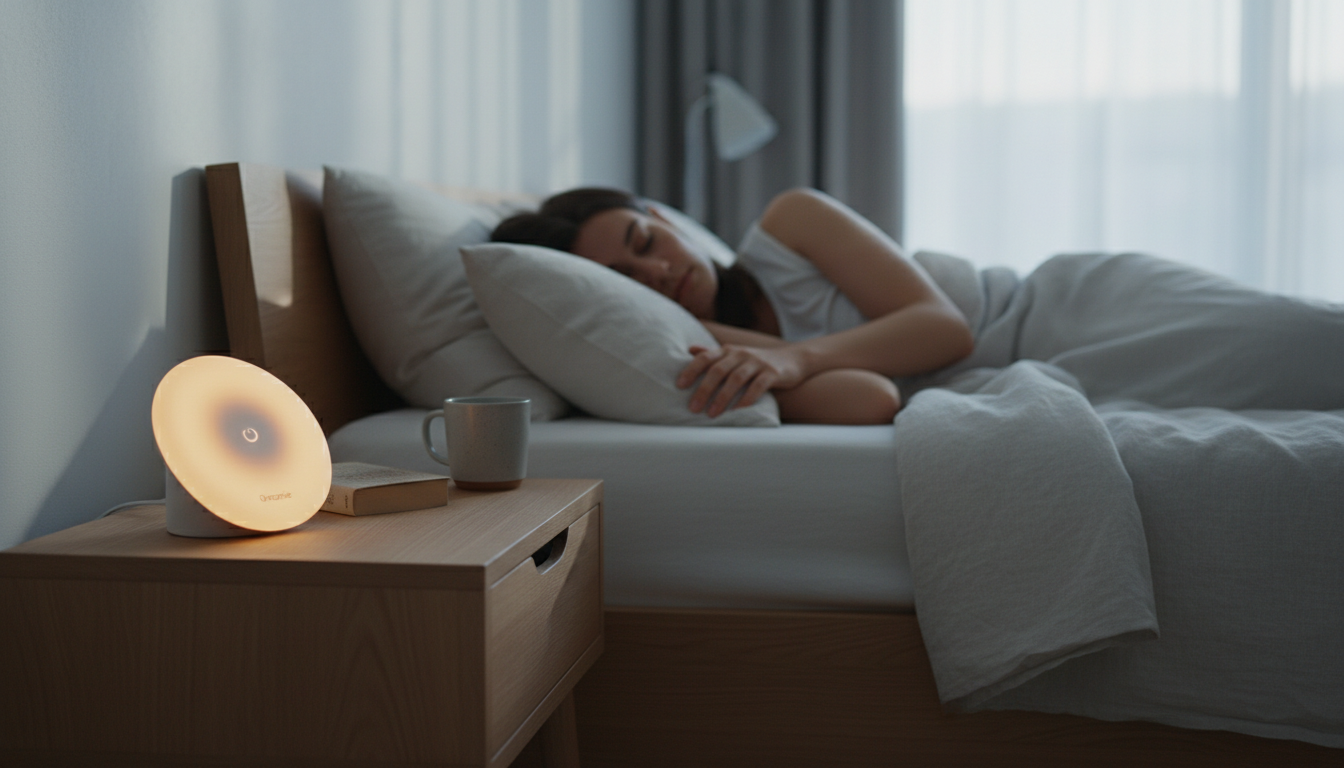
Dreamie alarm clock brings podcast playback to the bedside to cut phone dependence
Dreamie alarm clock removes phones from the bedside by streaming podcasts, breathing exercises and sunrise light. Review examines features, price and limits.
The Dreamie alarm clock is a bedside device designed to replace the smartphone habit that many people carry into sleep and wake routines. In testing, the device combined timed lighting, ambient soundscapes and direct podcast playback to reduce nighttime phone interactions and speed morning routines. Built‑in Wi‑Fi and a podcast feed architecture let users schedule episodes for "back to sleep" moments without reaching for a phone. The review period found meaningful reductions in device‑driven disruptions for those who programmed Dreamie into their nightly ritual.
Device design and core sleep routines
The Dreamie hardware functions as a conventional alarm clock in ambience mode but adds several timed routines intended to scaffold sleep. A "wind down" sequence can run a soft orange light and a crackling fireplace sound for a preset interval, signalling the transition from wakefulness to rest. After the wind down, a sustained "noise mask" — thunderstorm, white noise or other soundscapes — plays until the wake routine begins and the "sunrise" light ramps up. The physical interface is described as straightforward and familiar, resembling common smartphone clock apps for scheduling and mode selection.
Podcast playback and the back‑to‑sleep feature
What differentiates Dreamie from many smart alarms is native podcast playback integrated into the device’s firmware. The clock downloads episodes over Wi‑Fi via podcast distribution feeds so users can preselect a show or episode to play automatically if they wake in the night. The "back to sleep" mode permits immediate audio without scrolling on a phone, reducing the cognitive stimulation that often follows late‑night notifications. Bluetooth headphone support allows private listening, though sleeping with headphones remains a user choice and a practical limitation for many.
How Dreamie aims to break phone‑in‑bed habits
Reviewers noted the device’s primary behavioral benefit: removing the phone from the bedside and thereby cutting the reflexive checks that extend wakefulness. Many people report habitual phone use before sleep and on waking, and Dreamie’s scheduled audio and light routines offer a non‑phone fallback. During testing, users reported getting out of bed more quickly on mornings when the phone was left in another room and the Dreamie handled both wake cues and optional night‑time audio. The device does not claim to be a clinical sleep aid but operates as a practical tool to reduce device‑linked interruptions.
Connectivity, ecosystem and content limits
Dreamie’s podcast capability depends on standard podcast distribution mechanisms, which allows most public feeds to be accessed without a companion subscription. There is no additional monthly fee to stream episodes, and the device requires no dedicated smartphone app to function for basic routines. However, technical limits remain: support for some audiobook platforms or library apps is not built in, and the device does not currently provide a straightforward way to upload proprietary or downloaded media. Testers occasionally reverted to using a phone when a specific audiobook or app was required.
Price point and competing products
At a retail price of $250, Dreamie sits at the premium end of the alarm clock market. That price includes Wi‑Fi, multiple soundscapes, scheduled light routines and podcast playback without a companion subscription. Lower‑cost alternatives exist, including devices that block phone access at night for a fraction of the cost, and one tested competitor priced around $59 was shown to offer app‑blocking features that deliver many of the same behavioral benefits. Buyers must weigh the value of integrated audio playback and a standalone bedside device against cheaper options that require users to keep their phones but limit access.
Practical considerations for consumers
For people whose sleep is disrupted by late‑night notifications or midnight scrolling, Dreamie offers a practical way to externalize audio cues and reclaim the bedside from the smartphone. The device’s scheduling options let users preselect sleep‑time audio to avoid fumbling with interfaces when drowsy, and the sunrise light can smooth morning transitions. Nonetheless, prospective buyers should evaluate whether they need native playback for podcasts and whether their preferred audiobook services are supported before committing at the higher price point.
The Dreamie alarm clock presents a targeted solution for a common problem: habitual phone use at night. By combining light, ambient sound and direct podcast playback into a single bedside device, it reduces the friction that leads many people to pick up their phones in the dark. For consumers seeking to break the phone‑in‑bed cycle and willing to invest in a standalone device, Dreamie is a notable option; those seeking a lower‑cost behavioral nudge may find app‑blocking accessories and simpler alarms sufficient.
