
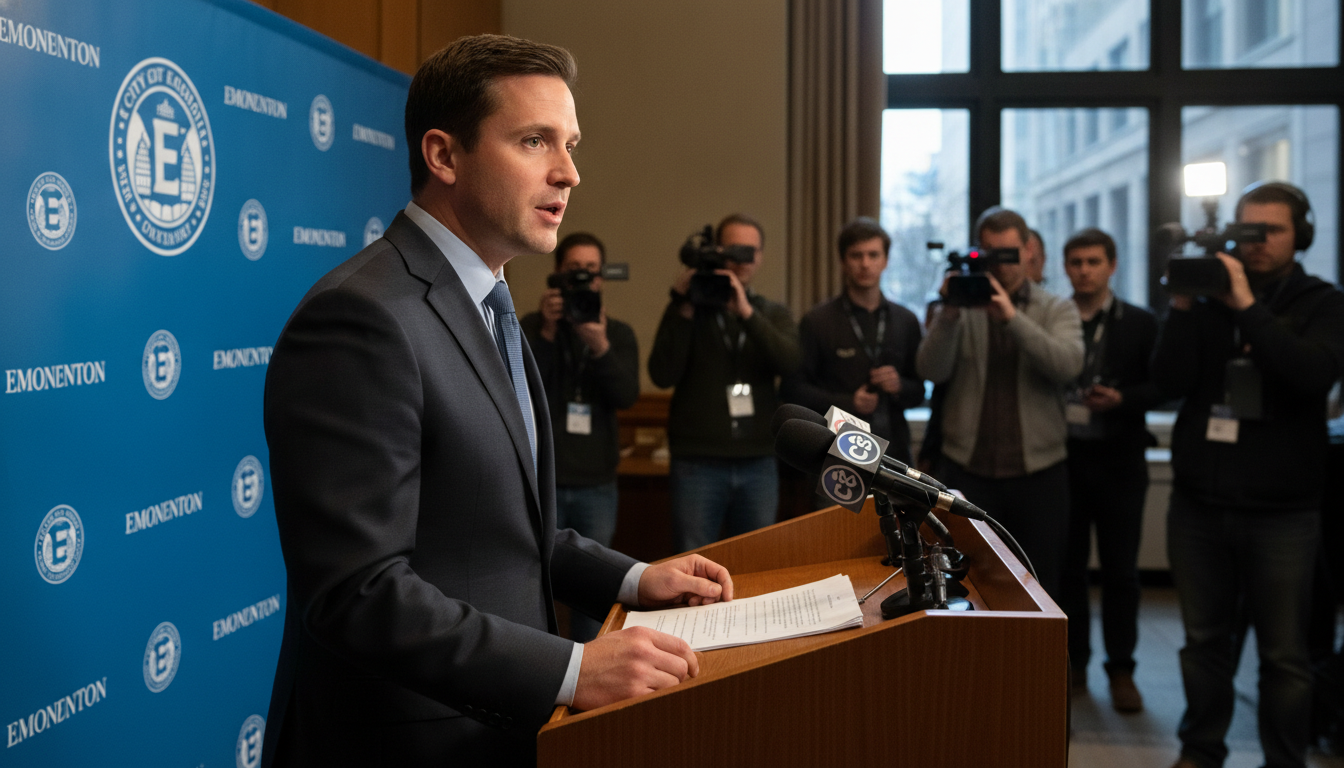
Council debate intensifies as Knack calls nine proposed questions "racist"
Knack denounces nine proposed questions as "racist questions" at a council meeting, saying they are meant to divide the community and urging colleagues to reject them.
Knack delivered a blunt rebuke of a package of proposed measures at a recent council meeting, saying nine of the questions amounted to "racist questions" designed to divide residents. Knack said she was strongly opposed to those nine items but indicated one remaining question was clear and defensible. She added that she would "love to be wrong" about her assessment but remained unconvinced the rest of council shared her view.
Knack’s comments and the language used
Knack framed her remarks in stark terms, telling colleagues she believed the other nine questions were "designed to divide" and that they crossed a line into racial insensitivity. She said the wording and intent behind those items suggested an exclusionary aim rather than a neutral policy debate. Knack’s statement was delivered publicly during deliberations and drew attention for its directness and the charged language she used.
The package of questions under consideration
Council is weighing a set of ten proposed questions that would guide upcoming public consultations or referenda, with one question standing apart from the rest in how it was framed. Knack referred repeatedly to "the other nine questions," signaling that the package contains one question she considered acceptable. Details about the specific wording of each question were not quoted in her remarks, leaving the substance of her objection tied to the perceived effect and intent rather than to precise text she read aloud.
Potential council split and procedural implications
Knack acknowledged uncertainty about where other members of council stand, saying she was "not sure that all of council would have the exact same perspective." That acknowledgment points to a likely division among elected members as they move toward any decision on whether to advance the full package. Procedurally, a divided council could delay a vote, prompt amendments to question wording, or lead to separate votes on individual items to avoid bundling contested questions together.
Community response and public debate
The characterization of items as "racist questions" is likely to amplify public scrutiny and mobilize community groups on both sides of the issue. Framing by elected officials can sharpen debate and encourage residents to examine not only the content but also the context and intent of proposed measures. The remarks may spur requests for greater transparency around how the questions were drafted and who consulted on their language.
Risks of further polarizing the dialogue
Knack warned that the set of questions appeared designed to divide, a concern that points to broader risks for civic discourse. When elected officials describe proposals in stark moral terms, it can harden positions and reduce opportunities for constructive amendment. Council members and staff face a challenge in balancing rapid decision-making with the need to defuse tensions and ensure questions are presented in ways that will be judged fair by a diverse electorate.
Next steps for council deliberations
Council must now decide whether to move the package forward as written, amend the wording of individual questions, or separate the items for individual consideration. Each option carries trade-offs: advancing the package risks public backlash, while protracted redrafting could delay any scheduled consultations. Councils commonly seek legal and administrative advice on question wording to avoid ambiguity and to reduce the likelihood of successful legal challenges after a vote.
Knack’s remarks have placed added pressure on colleagues to explain their positions and to be explicit about their reasons for supporting or opposing specific questions.
The coming weeks are likely to see follow-up motions, requests for staff reports on wording and impact, and possibly public forums where residents will be invited to weigh in before council reaches a final decision.
