
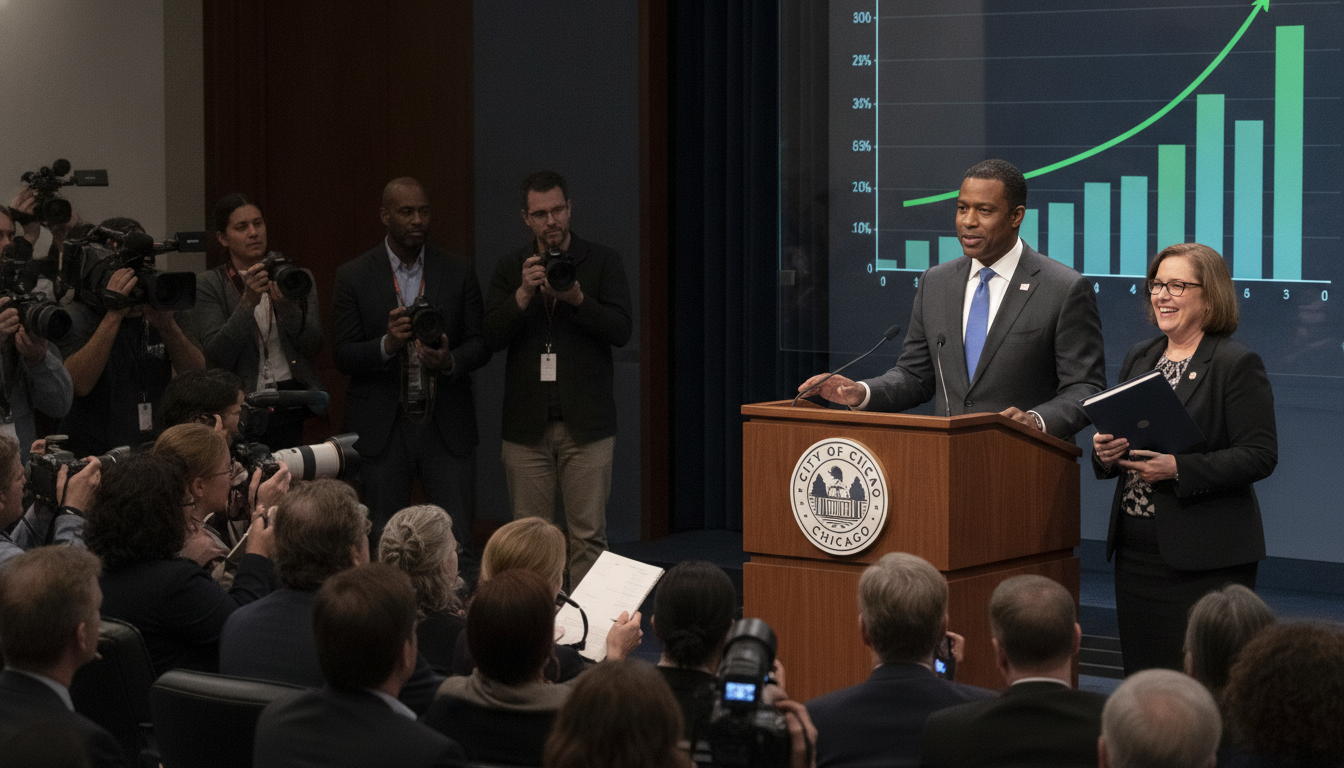
City budget surplus credited to disciplined financial management, official says
City budget surplus follow-up: administration credits disciplined management, stronger revenues and cost controls after an expected deficit, says Knack.
The city administration announced that an anticipated year-end deficit was converted into a city budget surplus thanks to disciplined financial management and operational adjustments. Knack, a senior city official, said the administration had initially forecast a shortfall based on several factors but was able to close the year in the black. The turnaround was described as the result of sustained attention to revenues and expenditures across departments.
Surprise Turnaround Reported by City Officials
Knack told reporters that the team’s performance and the administration’s oversight were central to reversing earlier projections. Officials had prepared for a deficit scenario, but updated revenue figures and expense controls narrowed the gap during the fiscal year. The announcement emphasizes that the surplus was not the result of a single change but of ongoing financial stewardship.
Knack noted the city had been cautious in its earlier budget outlook and that contingency planning helped mitigate risks. The administration’s revised statements will be presented at an upcoming council briefing, where the figures and assumptions behind the surplus will be reviewed. Municipal staff stressed that transparency and documentation will accompany any recommendation for how the surplus should be used.
Administration Credits Tight Fiscal Management
City officials attributed the turnaround to tighter spending controls, enhanced monitoring and conservative financial practices. Knack praised municipal employees for maintaining service delivery while identifying efficiencies, saying the team’s work made the surplus possible. The administration highlighted regular budget reports and cross-departmental coordination as key governance practices.
Senior managers said the city pursued a disciplined approach to hiring, procurement and project timing to avoid unnecessary expenditures. That strategy provided flexibility when revenues came in stronger than expected and helped avoid service cuts. Officials stressed the importance of maintaining that discipline to protect the city’s long-term fiscal position.
What Drove the Shift from Deficit to Surplus
According to the administration, the shift stemmed from a combination of revenue performance and spending restraint rather than a single windfall. City staff reported higher-than-projected collections in some revenue streams and careful management of operating costs across departments. Knack cautioned that the composition of the surplus matters and that one-time gains should be treated differently from recurring improvements.
Municipal leaders will detail how much of the surplus is attributable to timing differences, such as project deferrals or one-off provincial and federal transfers. They will also identify which gains are sustainable for future budgets and which are temporary. That distinction will shape recommendations for reserve contributions, capital priorities and service investments.
Implications for Services, Taxes and Reserves
The announcement raises immediate questions about whether the surplus will translate into new services, increased capital spending, contributions to reserves or tax relief. City administrators typically recommend a mix of options to balance short-term needs and long-term stability. Knack indicated the administration will present options that consider infrastructure backlogs, emergency reserves and fiscal prudence.
Council members are expected to weigh competing priorities, including strategic capital projects and operating pressures. Local advocacy groups have urged that any surplus be used to protect frontline services and invest in infrastructure that supports growth. Officials said they will outline scenarios showing how different uses of the surplus would affect future tax rates and service levels.
Next Steps for Council and Budget Planning
City staff will deliver a detailed surplus report to council, including audited figures, recommended allocations and policy guidance. The report is likely to include proposals for strengthening reserve balances and targeted capital investments, as well as contingency planning for potential economic shifts. Knack emphasized that recommendations will be data-driven and designed to preserve fiscal flexibility.
Council will hold public meetings to solicit feedback before final decisions are made on allocations. Officials said the city values community input as part of transparent budget stewardship. A formal vote on any reallocation or use of the surplus is expected later in the council’s budget cycle.
The administration described this outcome as built on years of incremental improvements to budgeting and financial oversight, rather than a single corrective action. Knack stressed the continuing need for vigilance in budgeting to manage future uncertainties and protect the city’s financial health.
