
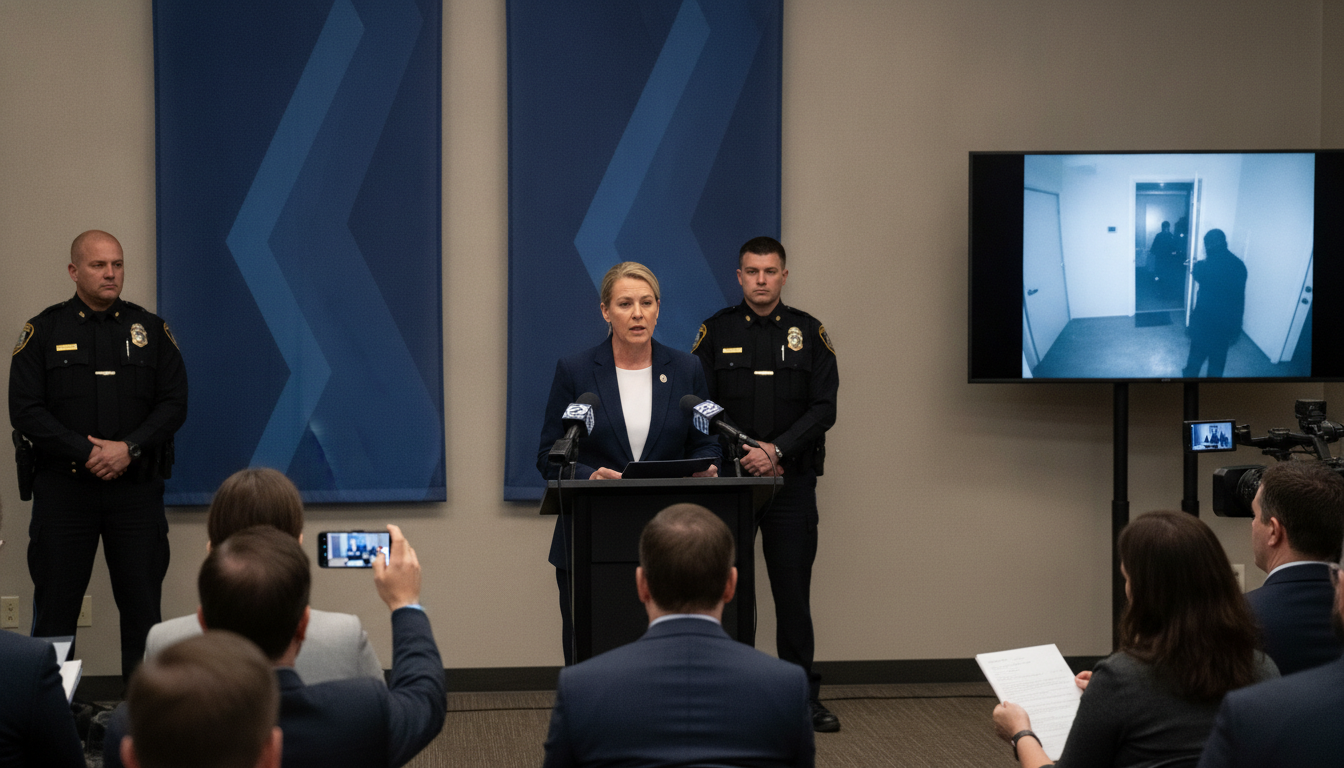
ASIRT report details late-night police response to an unwanted guest after roommate ad on Scenic Drive
ASIRT report details police response to an unwanted guest on Scenic Drive on March 23, 2025, after a roommate ad prompted a late-night call to officers.
Summary of the incident
Shortly before midnight on March 23, 2025, officers were dispatched to an address along Scenic Drive following a report of an unwanted guest, the Alberta Serious Incident Response Team (ASIRT) said in a Wednesday report. The resident at the address had placed a roommate advertisement and the man who arrived had responded to that ad. ASIRT’s public summary confirms the basic timeline but does not disclose identifying details about the people involved.
Timeline reported by ASIRT
According to the report, the call to police came in late on March 23 and officers arrived at the residence shortly thereafter. ASIRT’s document provides a minute-by-minute account of when first contact was made and when responding officers entered the scene. The report focuses on establishing a clear chronology of events to inform subsequent review or action.
Circumstances of the meeting
The resident had been seeking a roommate when the man in question answered the advertisement, ASIRT notes. Details released by the oversight body indicate the encounter escalated to the point where the resident contacted police, describing the visitor as an unwanted guest. The report does not speculate on motive or intent, and ASIRT has withheld personal identifying information in keeping with privacy and investigative practice.
Police arrival and actions described
ASIRT’s summary states officers attended the Scenic Drive address after the call, and it outlines the actions taken by police from arrival through initial contact. The report is framed around how officers responded to the complaint, documenting steps taken on scene and any interactions between police and the parties present. ASIRT’s role in producing that account is to record objective facts that bear on whether police conduct complied with established policies.
Role and mandate of ASIRT
The Alberta Serious Incident Response Team is an independent civilian oversight agency that reviews police conduct in incidents where serious injury, death, or allegations of wrongdoing occur. ASIRT examines officer actions, gathers witness statements, reviews body-worn camera and other video where available, and compiles a factual record to support decisions about further action. The agency’s public reports aim to provide transparency about its review process while protecting privacy and the integrity of ongoing inquiries.
What ASIRT’s report may lead to
An ASIRT report that establishes a clear sequence of events can lead to several outcomes, depending on the evidence gathered and legal thresholds. The findings may result in no further action, recommendations for policy or training changes, referral to prosecutors if criminal conduct is suspected, or internal police discipline processes if policy breaches are identified. ASIRT’s public notes typically outline the scope of its review and any immediate procedural observations without prejudging final determinations.
Community and privacy considerations
Incidents involving roommate arrangements and late-night calls for police raise broader community concerns about personal safety, online vetting of strangers and tenant screening practices. ASIRT’s withholding of identifying particulars reflects legal and ethical limits around sharing private information during active reviews. Community groups and local housing advocates often call for clearer safety guidance for people placing or answering ads, and such discussions can be informed by oversight reports that lay out operational facts.
ASIRT’s Wednesday report on the March 23, 2025 incident along Scenic Drive provides a factual framework of the encounter: a resident advertising for a roommate, a respondent who became an unwanted guest, and a police response just before midnight. The agency’s documentation will form the basis for any further administrative or legal decisions and offers the public an account of the sequence of events while investigative processes continue.
