
Truecaller Raises Public Challenge to TRAI Over India’s 1400/1600 Caller ID Rules
Truecaller clashes with India’s telecom regulator after new rules limit caller ID spam labels for the 1400 and 1600 number series, threatening consumer trust.
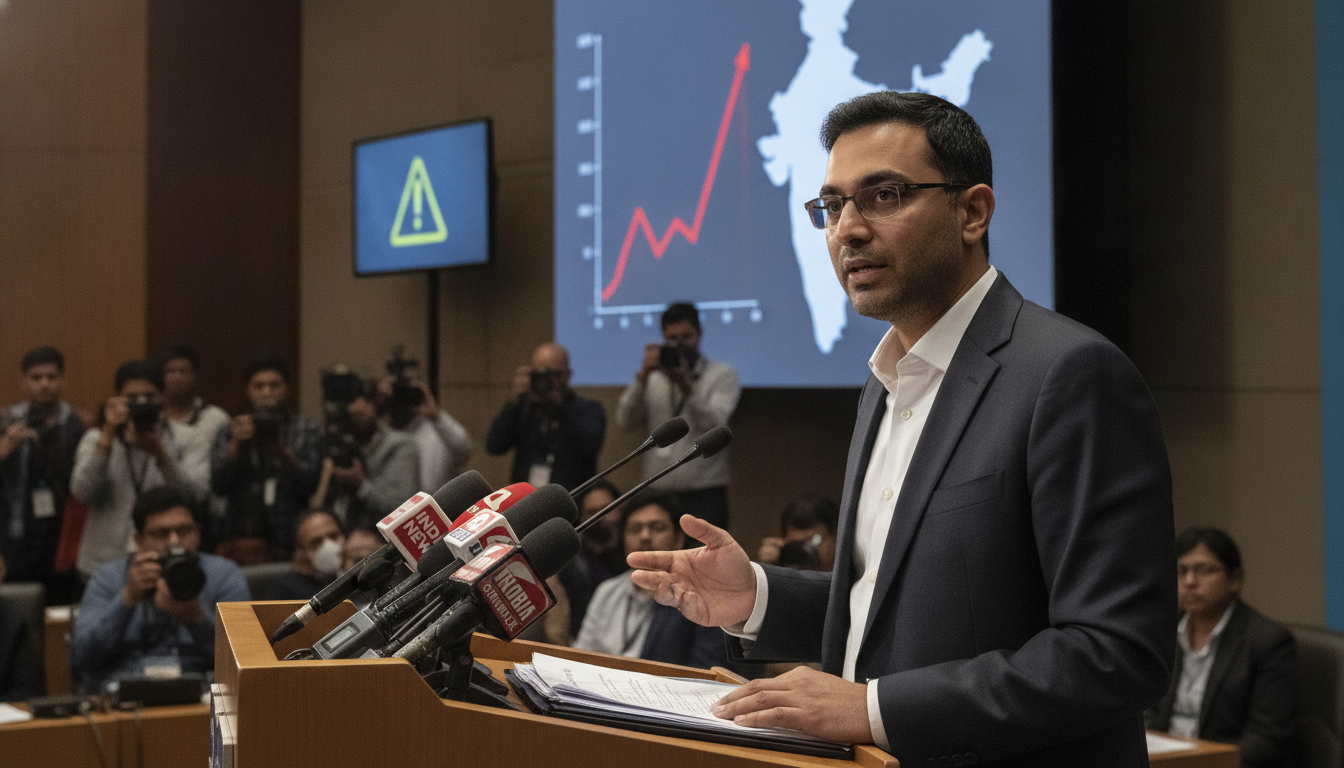
Truecaller has publicly accused the Telecom Regulatory Authority of India (TRAI) of handicapping caller identification tools after a regulatory framework designated the 1400 and 1600 number series for commercial communications. The company’s CEO, Rishit Jhunjhunwala, said the restriction on labeling those numbers as spam has permitted abuse of the dedicated series and eroded user trust in legitimate business calls. Truecaller said it will share data with India’s IT ministry and urged regulators to target abusive actors rather than penalize caller ID services.
Truecaller publicly challenges TRAI on caller ID labeling
Truecaller’s CEO took to social media to directly question TRAI’s approach to the numbering framework and its effect on caller ID apps. The company claims TRAI’s rules bar it from showing community-reported spam labels for calls originating from the 1400 and 1600 series, a change that Truecaller says has allowed bad actors to exploit those designations. The public confrontation follows media reports that TRAI has sought powers under the Information Technology Act to regulate or penalize caller ID applications that label such numbers as spam.
Background on the 1400 and 1600 numbering framework
In 2024 India’s telecom authorities created dedicated number ranges to separate telemarketing from transactional communications, assigning the 1400 series for telemarketing and the 1600 series for service and transactional calls. The migration was intended to help consumers identify legitimate business calls and to reduce fraud and unsolicited marketing. Regulators and operators have since carried out large-scale enforcement actions against fraudulent numbers as part of a broader anti-spam effort across one of the world’s largest telecom markets.
Truecaller’s user data on shifting trust and behavior
Truecaller presented internal metrics showing a sharp decline in user trust toward the designated series, reporting that users ignored 81% of incoming calls from the 1400 series and 79% from the 1600 series over an eight-month period. The company added that users manually blocked roughly 74 million calls from those series during that span and that daily blocking actions against 1600-series numbers have more than tripled since October 2025. Truecaller argues these indicators reflect unintended consequences of the numbering policy, including distrust toward legitimate businesses that use the series.
Product changes: the ‘Frequently Blocked’ badge
Unable to apply conventional spam labels to the 1400 and 1600 series, Truecaller introduced a “Frequently Blocked” badge to warn users when a number from the designated ranges has been blocked by many people. The badge is presented as a compromise that signals community action without using the formal spam label that TRAI’s rules restrict. Company executives say the change is intended to preserve user safety while complying with the regulatory constraints they face.
Regulatory response and proposed enforcement powers
Reports indicate TRAI has sought expanded authority under the Information Technology Act to take action against call-management apps that label designated series numbers as spam. Any formal move would also involve the Ministry of Electronics and Information Technology, which reviews such proposals and would consider legal and policy implications. Truecaller has said it will share its data as part of the regulatory process and urged that decisions be guided by evidence rather than blanket restrictions on apps that identify abusive calls.
Broader implications for Truecaller and India’s telecom ecosystem
The dispute arrives as Truecaller diversifies its business beyond caller ID, expanding into services including eSIMs and automated scam protection, while facing heightened regulatory and market pressures. India remains Truecaller’s largest market by a significant margin, accounting for hundreds of millions of its monthly active users, and any changes to how caller ID apps operate there would reverberate across the company’s revenue and product strategy. The regulator’s next steps will likely influence how telecom operators, businesses, and third-party caller ID providers coordinate to reduce spam without undermining legitimate commerce.
Truecaller has framed its push as a request for evidence-based regulation that penalizes the actual bad actors rather than tools meant to protect consumers, while Indian authorities weigh legal options and enforcement powers. The coming weeks are expected to determine whether a middle ground can be found that restores user trust in the 1400 and 1600 series while keeping abusive communications in check.
