
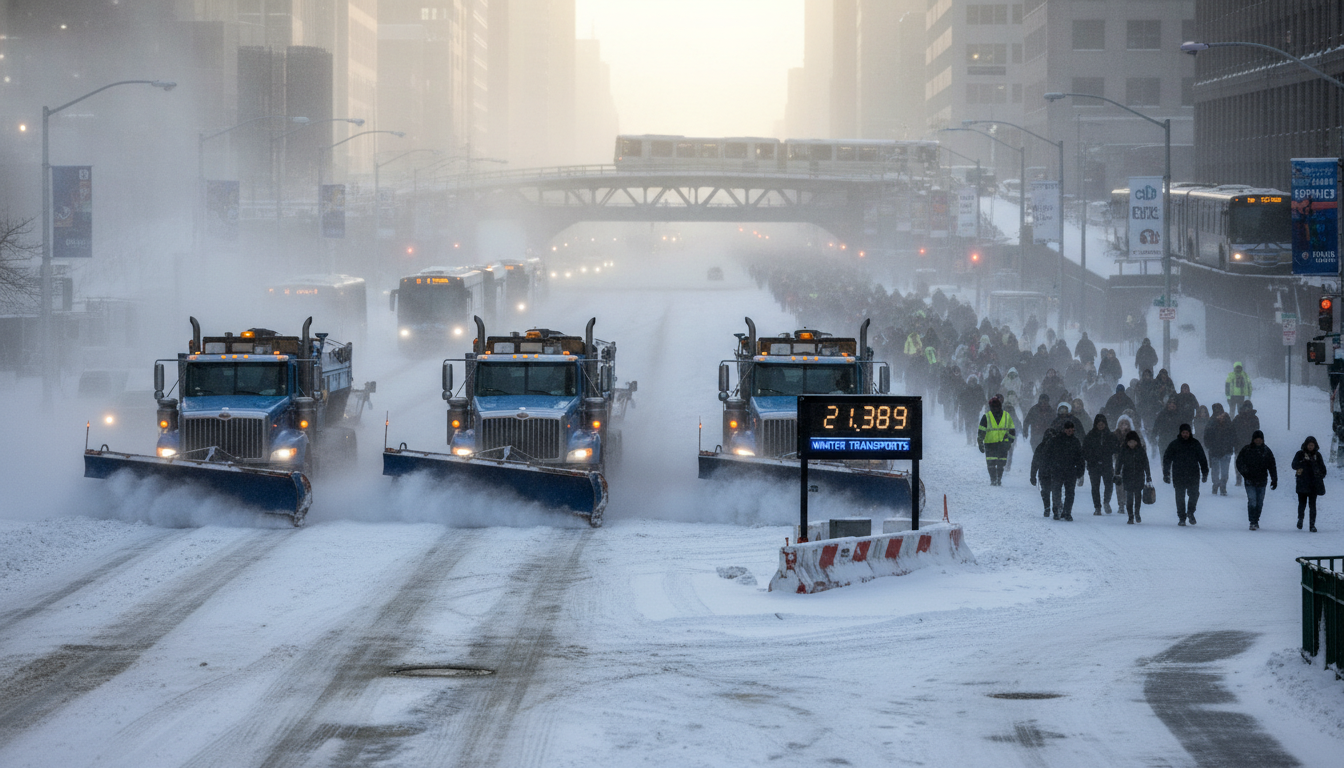
City reports more than threefold surge in winter emergency transports; fourth vehicle added
Data presented to city council shows 21,389 winter emergency transports in 2025–26, a sharp increase from previous seasons that prompted the addition of a fourth transport to the fleet.
The city’s winter emergency transports more than tripled in 2025–26, according to figures submitted to council, rising to 21,389 responses over the season.
That total compares with 6,703 transports in 2024–25 and 5,478 in 2023–24, marking a dramatic escalation in demand for services during hazardous weather periods.
City officials also added a fourth transport to the fleet for the 2025–26 season, a change documented in the same data package presented to council.
Council data outlines scale of the 2025–26 surge
The dataset given to council records 21,389 transports made in response to dangerous weather during the 2025–26 winter season.
Those figures were framed against the two prior winters, when the city recorded 6,703 transports in 2024–25 and 5,478 in 2023–24, highlighting an abrupt rise in calls for weather-related assistance.
The materials presented did not name individual incidents but emphasized the aggregate increase and the operational adjustments made during the season.
Year-to-year comparison shows steep percentage increases
Measured against the 2024–25 total, the 2025–26 number represents more than a threefold rise, reflecting an increase of roughly 219 percent over that single year.
Compared with 2023–24, the jump is even larger, with 2025–26 transports nearly quadrupling the earlier season’s total, an escalation in excess of 290 percent.
These comparisons underscore how quickly demand shifted between consecutive winters and frame the scale of the operational challenge the city faced.
Fourth transport added to address rising demand
In response to the spike, the city expanded its fleet by adding a fourth transport for the 2025–26 season, a change documented in the council submission.
The additional vehicle was introduced as part of the winter response posture and remained in use throughout the season to help meet surging call volumes.
Council materials indicate that fleet expansion was implemented during the season rather than as a long-term capital commitment at the time of reporting.
Operational implications for frontline services
A transport volume of more than 21,000 runs in a single winter season has immediate operational implications for scheduling, maintenance cycles, and supply chains.
Sustaining higher utilization rates can increase wear on vehicles and raise demands on technicians, dispatch staff, and on-call crews, even when agencies deploy contingency plans.
City reports presented to council describe heightened activity levels but stop short of detailing specific staffing shortfalls or overtime expenditures.
Budgetary and policy questions for council consideration
The scale of the 2025–26 spike raises questions about the budgetary resources required to maintain an enlarged temporary fleet and to prepare for potential repeat surges.
Council members will need to weigh whether the fourth transport should be retained, how ongoing maintenance and staffing will be funded, and whether additional investment in shelters, warming centres, or prevention strategies is warranted.
The data packet delivered to council provides a factual basis for those policy debates but does not include final recommendations on long‑term funding or procurement.
Context and next steps for monitoring winter emergency transports
The dramatic increase documented for 2025–26 will likely prompt closer seasonal monitoring, revised operational planning, and potentially new performance metrics to track response capacity.
City staff and council members now possess a clear statistical baseline against which to measure future winters and to assess whether the 2025–26 season represents an anomaly or the start of a sustained trend.
Further reporting to council and follow-up analyses are expected to clarify causes, costs, and options for adapting the city’s winter emergency transport strategy.
The council’s receipt of these figures marks the beginning of a policy conversation about how the city should resource and structure its winter emergency transports going forward, and officials have indicated that the data will inform forthcoming budget and operational reviews.
