
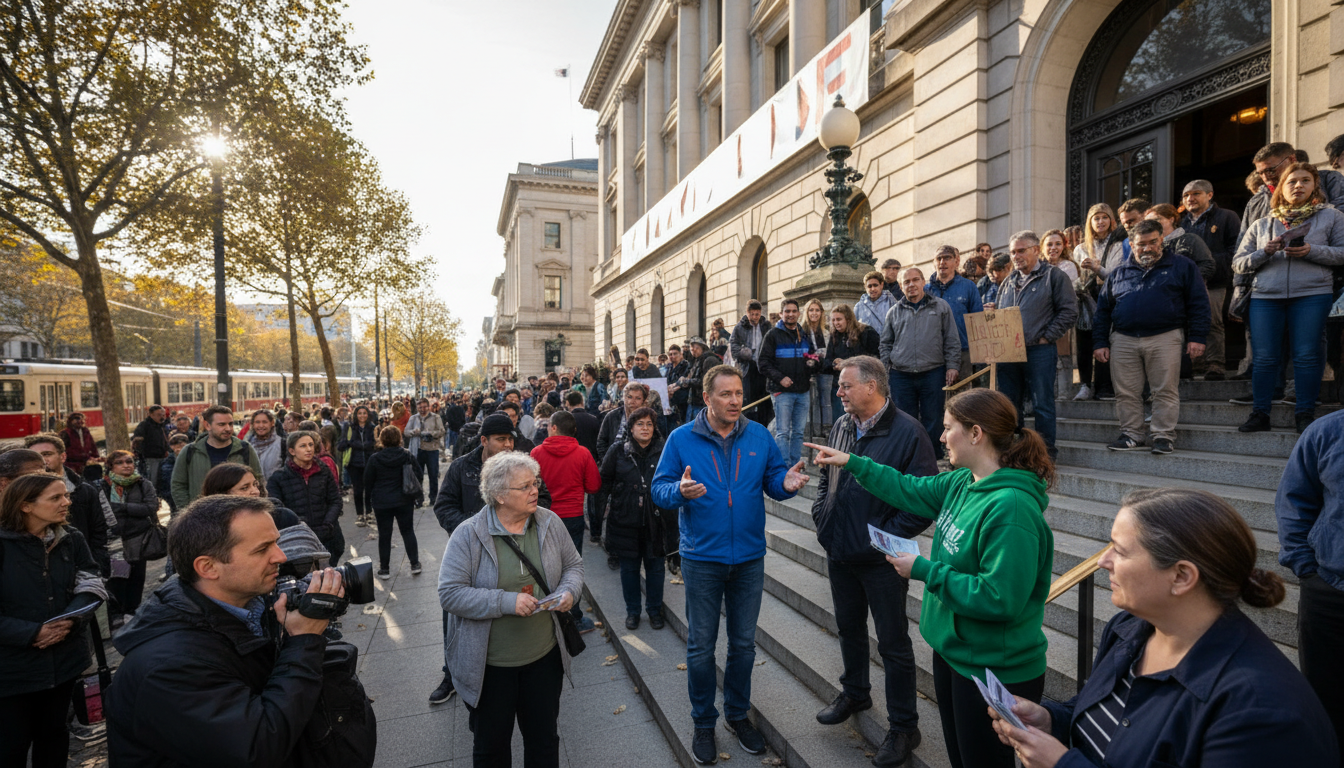
Municipal elections: New Brunswick voters in Dieppe and Moncton stress civic duty and local impact
Voters in Dieppe and Moncton emphasized the importance of participating in municipal elections, saying local government decisions affect daily life and community services.
Several residents interviewed at polling stations said casting a ballot is both a responsibility and a way to honour historical struggles for voting rights.
Their remarks reflect broader conversations about turnout and civic engagement ahead of local councils being chosen across the province.
Dieppe resident frames local government as essential
Chantal Losier, a Dieppe resident, told reporters that municipal elections are where citizens see the most immediate effects of governance.
She said local councils set priorities on services, infrastructure and community planning, and that those decisions make voting in municipal elections a clear priority for residents.
Voters link the ballot to duty and history
Bernard Melanson, another local voter, framed participation as an obligation rooted in history rather than a simple choice.
He said many generations campaigned for the right to vote, and exercising that right is a way to honour those struggles while protecting democratic norms for future generations.
Moncton electors connect voting with Canadian identity
Across the river in Moncton, John MacNeil said voting is intertwined with being Canadian and preserving democratic freedoms.
MacNeil described the act of voting as an ongoing defence of democratic values that requires continual civic attention rather than passive acceptance.
Residents stressed freedoms and responsibilities at polling sites
Another Moncton voter, Robert Richard, echoed the sentiment that maintaining freedoms demands participation at the ballot box.
He argued that living in a democracy carries responsibilities, and regular turnout in municipal elections helps ensure those responsibilities remain active and meaningful.
Low municipal turnout contrasts with strong local convictions
Although municipal elections historically attract lower turnout than provincial or federal contests, the voters interviewed displayed strong personal motivation to participate.
Their comments underline a persistent gap between the perceived importance of local government and the overall participation rates that municipalities frequently report.
Calls for stronger outreach to younger voters
Several electors expressed concern that younger people may not fully appreciate the origins of their voting rights or the daily impact of municipal decisions.
They urged local officials and community groups to increase outreach and education so that more young residents understand why municipal elections matter and how council decisions shape services they use.
Implications for councils and community priorities
The recurring themes from voters point to practical implications for incoming municipal councils, including attention to visible services and clear communication.
If elected officials want to bolster civic participation, voters suggested focusing on issues that directly touch households — local infrastructure, recreation, and public safety — and demonstrating how council actions translate into tangible outcomes.
Voters at polling stations in Dieppe and Moncton left a consistent message: municipal elections are not abstract political exercises but practical choices that shape neighbourhoods and everyday life.
