
Alberta voter list breach: UCP staff dialled into separatist group call, opposition says
Alberta voter list breach prompts questions after UCP caucus staff joined an April meeting with Centurion Project; Elections Alberta and RCMP investigating.
Alberta’s opposition has escalated concerns over an Alberta voter list breach after images and a recording surfaced showing at least one United Conservative Party (UCP) caucus staffer participating in a virtual meeting hosted by the Centurion Project. The material, the opposition says, appears to show a demonstration of an app that accessed voter information drawn from the province’s elector roll. Provincial authorities and federal police are now being asked to clarify how and when party staff first became aware of the alleged leak.
UCP caucus staff attended April 16 meeting
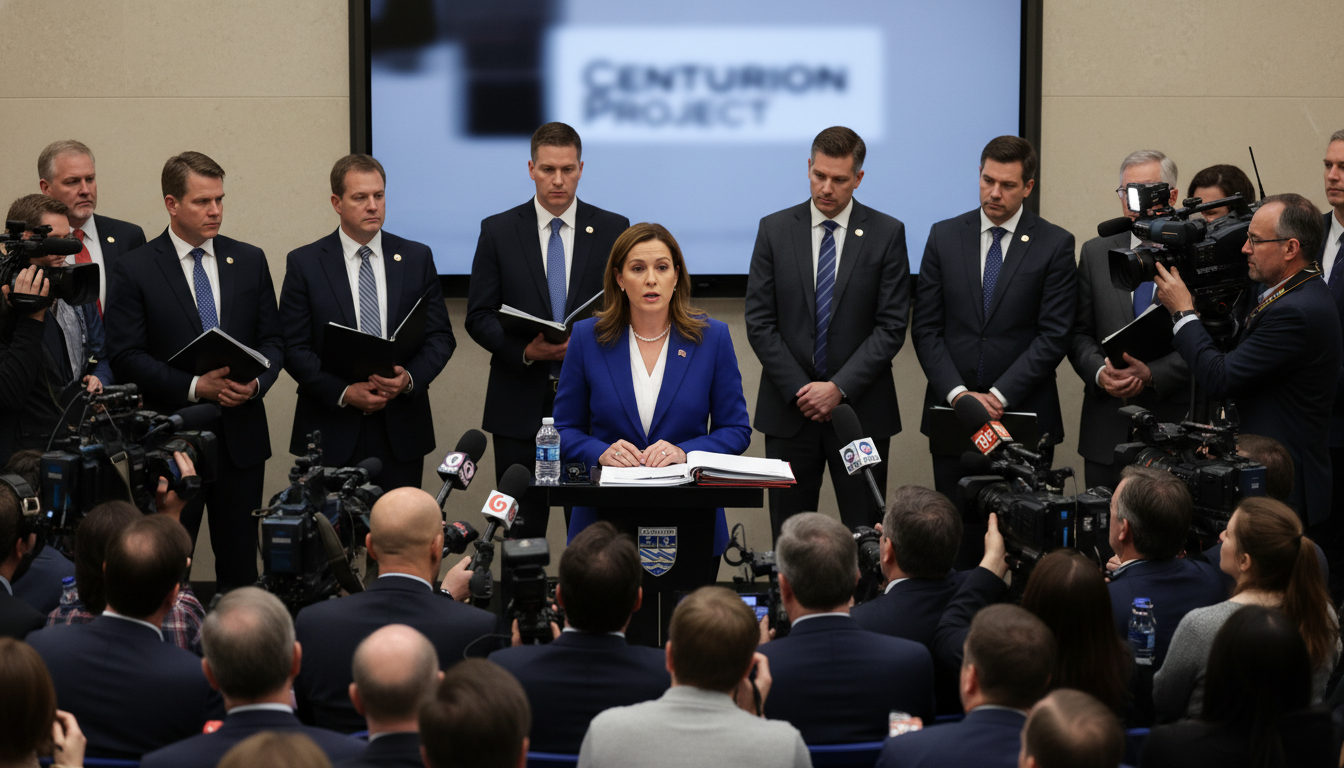
A screenshot and a recording presented by the Official Opposition indicate a UCP caucus office official joined an April 16 video call with the Centurion Project, a group linked to Take Back Alberta founder David Parker. Opposition Leader Naheed Nenshi raised the images during question period, naming a staffer who appears on the call and asking when the premier’s office and the party alerted authorities. The UCP has confirmed caucus staff dialled into the April meeting, saying staff regularly observe events of political interest.
Injunction limits Republican Party of Alberta access
Last week, a court granted an injunction preventing the Republican Party of Alberta from accessing or sharing the contested voter list, following Elections Alberta’s statement that the data had been distributed to a separate separatist group known as the Centurion Project. Under provincial election law, registered political parties are provided the electoral list but are forbidden from further sharing those records, which contain names, addresses and contact details for nearly three million Albertans. The injunction aims to stop further distribution while investigations proceed.
Premier and opposition traded accusations in the legislature
During the legislative session, Premier Danielle Smith said she first learned of the allegations through social media and stressed that Elections Alberta had the necessary information to begin an investigation. Nenshi countered that the evidence shows senior party staff and caucus officials were aware of the breach and did not promptly notify law enforcement. The exchange highlighted conflicting accounts over whether the government or party officials fulfilled legal obligations to report suspected misuse of the electoral list.
Allegations include app demonstration and targeted lookups
Opposition officials said the recording shows a demonstration of the Centurion app that included looking up private information for public figures, including former premier Jason Kenney. Kenney has said he was informed of the footage and has indicated he will seek legal counsel, describing the apparent exposure of his data as an unacceptable violation of privacy. The release of the list has raised particular alarm because it could endanger public figures, frontline personnel and vulnerable individuals whose safety depends on confidentiality.
Party statements and denials over identities on call
The UCP has defended its staff, saying observers on the April call were told the material had been obtained legally and that those staff had no reason to suspect wrongdoing at the time. The party also denied that its president attended the meeting, demanding a retraction of claims that his name appeared among participants. The Centurion Project’s founder has not responded publicly to requests for comment, and the material circulating online has prompted both political and criminal scrutiny.
Investigations by Elections Alberta, RCMP and Edmonton police
Elections Alberta has opened an inquiry into the alleged leak, and the RCMP and Edmonton police are reported to be reviewing potential criminal offences related to the distribution and use of the electoral list. Provincial legislation strictly controls how the electoral roll may be used and shared, and investigators are assessing whether those rules were breached and who should be held accountable. Officials have urged caution and asked the public and media to allow investigative and legal processes to proceed without interference.
The controversy has intensified debates about data security, political accountability and the safeguards surrounding electoral information. Critics argue the episode exposes weaknesses in how sensitive voter data is handled and distributed to political actors. Calls for clearer protocols and more robust oversight are likely to grow as investigators piece together how the files reached private groups and whether any laws were broken.
Public safety advocates say the ramifications extend beyond partisan politics because the list includes individuals whose wellbeing could be compromised if their personal information is widely shared. Law enforcement and election authorities face pressure to deliver definitive findings and, if warranted, pursue charges to deter future misuse. For voters and officials alike, the unfolding inquiries will test public confidence in the protection of personal data tied to democratic processes.
