
Montreal convenience stores adapt: local-only shop in Rosemont grows 20% despite dropping cigarettes, lottery and fuel
Montreal convenience stores face rising costs and shifting shoppers. A Rosemont 100% local store grew 20% (2024–25) after dropping tobacco, lottery and fuel.
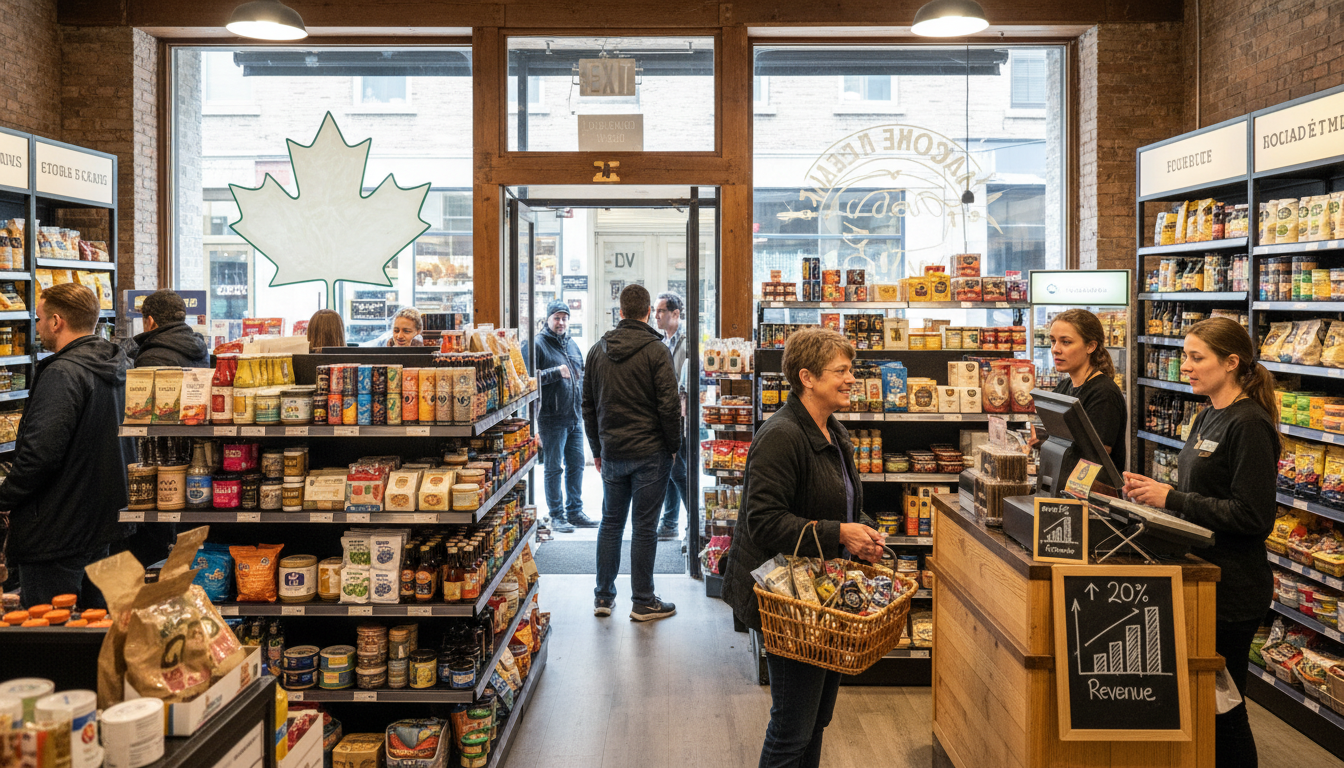
Karine Martel opened a convenience store called Toutes les choses parfaites in Rosemont in 2022 and deliberately stocked only Quebec-made products. The store does not sell cigarettes, lottery tickets or gasoline, yet posted a 20% increase in sales between 2024 and 2025. Her experience highlights a wider story of how neighbourhood convenience stores are changing strategy to survive.
Rosemont shop abandons traditional revenue drivers
Martel’s shop rejects long-standing convenience store staples such as tobacco and fuel and instead offers local dairy, groceries and artisanal goods. Customers treat the outlet as a neighbourhood grocery, but Martel insists on the convenience-store label while redefining what that term means. Her owner-first decision shows one path for small operators to diversify revenue and reduce reliance on international supply chains.
Pricing tactics and buying strategies under inflationary pressure
Longtime operator Albert Sleiman, who runs five Montreal dépanneurs, says rising food prices are one of the sector’s biggest headaches. To stay competitive, he hunts weekly promotions at larger grocers and buys in volume when items are discounted, then applies a modest margin. That tactic narrows the price gap with supermarkets but requires constant attention to shifting promotions and inventory management.
Delivery and digital marketing turned from advantage to baseline
Tedlee Laguerre launched the Ô Dépanneur concept in 2021 with a delivery service and an active social media presence, but rapid adoption across the sector undercut its edge. He says competitors copied the model so quickly that home delivery became standard, eroding first-mover advantage. Laguerre ultimately left the industry two years later, now working in finance, underscoring how digital tools can level a playing field but not guarantee sustainable margins.
Shoppers prioritizing price and rewards over speed
Industry observers note a marked shift in what drives consumer choice for groceries and convenience purchases. According to a Dunnhumby report cited by local operators, Quebec shoppers rank price, promotions and loyalty rewards above speed and convenience. That trend has sent more customers toward discount chains such as Dollarama, Super C and Maxi, diverting traffic from smaller stores that historically relied on quick access as their primary selling point.
Fuel and tobacco remain differentiators for profitability
Experts say that access to gasoline pumps and tobacco sales still provide substantial revenue for many neighbourhood stores. JoAnne Labrecque, a consumer behaviour specialist and professor emerita at HEC Montréal, points to service stations along Highway 20 where competitive fuel prices funnel customers into attached shop counters. Operators without fuel or tobacco often face tougher economics, particularly where higher-volume items and long hours once sustained profitability.
Local sourcing as a resilience and community strategy
Martel argues her local-only model reduces exposure to international price shocks and keeps money circulating in the neighbourhood economy. By selling Quebec-made soap, dairy and pantry staples, she says the shop supports regional suppliers and builds customer goodwill that translates to repeat visits. Her four-employee store operates more like a curated neighbourhood grocer, attracting shoppers who value provenance alongside convenience.
Montreal operators are experimenting with mixed strategies: some double down on fuel and tobacco where permitted, others invest in digital ordering and in-store experience, and a few pivot entirely toward local or specialty assortments. Each choice carries trade-offs between margin, labour costs and customer expectations.
The convenience-store sector’s future in Montreal will hinge on operators’ ability to navigate narrow margins, changing consumer priorities and competition from larger chains. For some independent owners, local sourcing and community ties offer a viable alternative to traditional revenue models; for others, fuel pumps and tobacco sales remain essential to staying afloat.
