
40 Years After the Disaster, Chernobyl Site Threatened by 2025 Drone Strike
Forty years after the 1986 catastrophe, the Chernobyl site confronts fresh risks after a 2025 drone strike that Kyiv says damaged containment and stalled cleanup.
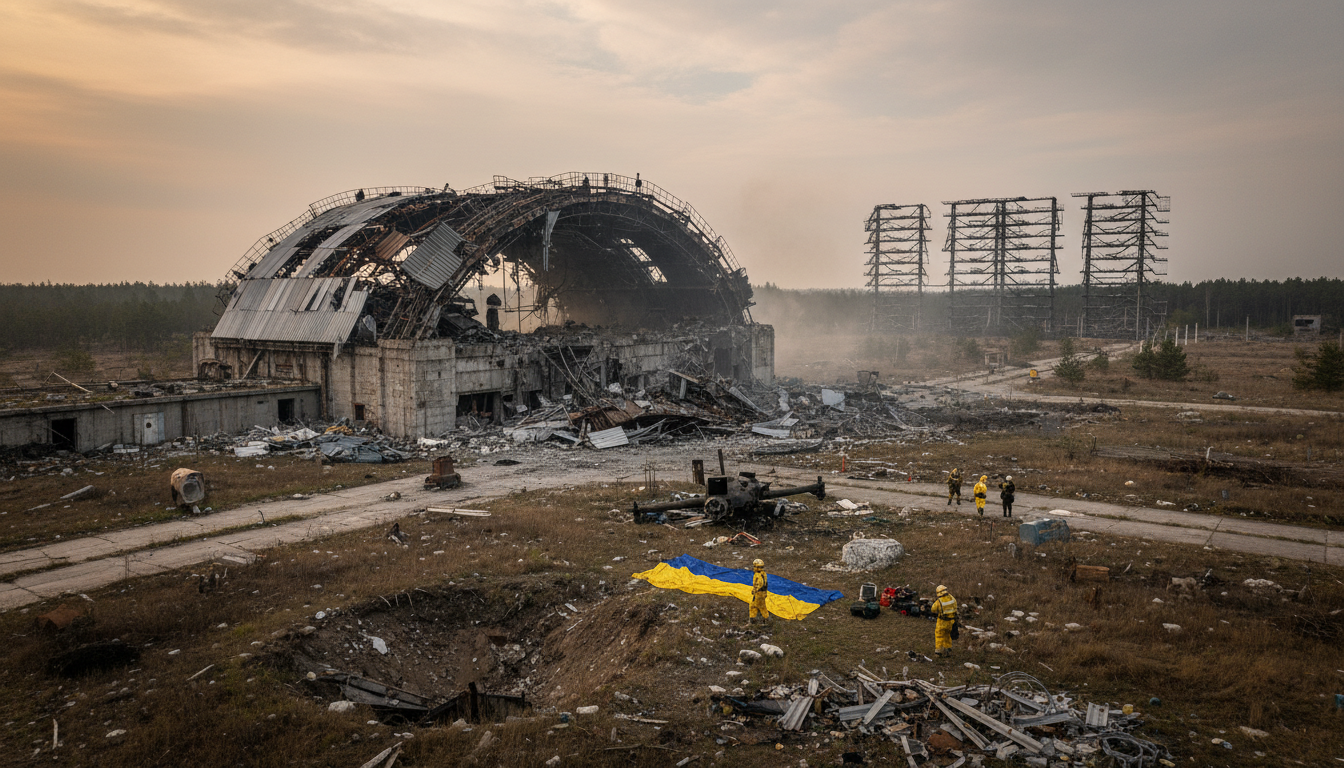
Forty years after the April 26, 1986 explosion, the Chernobyl site is facing renewed peril following a 2025 drone strike that Ukrainian officials say inflicted damage on containment and monitoring systems. Kyiv’s authorities contend the attack set back decades of work to secure radioactive materials, while Moscow has denied responsibility. The incident has prompted alarm among international observers, who warn that any disruption to long-term containment could complicate efforts to limit environmental and health risks.
Damage to Containment and Infrastructure
Ukrainian officials have said the 2025 drone strike struck structures and equipment in and around the exclusion zone, undermining operations designed to stabilize the damaged reactor complex. According to those statements, the assault damaged secondary facilities used for monitoring radiation levels and storing contaminated materials. Officials argue the strike has slowed scheduled maintenance and surveillance that are essential to preventing the spread of contamination from legacy waste.
Independent verification of the full extent of physical damage remains limited, in part because access to sections of the exclusion zone is controlled and hazardous. Engineers and cleanup crews must now contend with a combination of structural repairs and renewed safety checks before critical containment work can resume on its original timetable. The setback underscores how fragile long-term stabilization projects can be when exposed to conflict.
Kyiv’s Accusation and Moscow’s Denial
Kyiv has publicly accused Russian forces of deliberately targeting the site, framing the strike as part of wider operations that put civilian and environmental safety at risk. Officials described the attack as intentional and said it represented a direct threat to international nuclear safety obligations. The accusation has been circulated in diplomatic channels and among Western governments monitoring developments in the region.
The Kremlin has rejected responsibility for the incident, denying it directed operations against the nuclear complex. Moscow’s denials have done little to reduce international unease, and the competing claims have heightened calls for transparent, independent investigation. The dispute over responsibility complicates efforts to coordinate multinational monitoring and repair missions that rely on clear access and predictable security.
Structural and Environmental Risks
Experts who study post-accident sites caution that damage to auxiliary buildings or monitoring stations can carry disproportionate risk. Even if the main New Safe Confinement structure over reactor No. 4 remained intact, interruptions to ventilation, power, or radiation-detection systems can hamper the ability to respond to leaks or equipment failures. Old fuel, contaminated soil and waste storage facilities within the exclusion zone require continual management to prevent migration into groundwater and surrounding ecosystems.
The exclusion zone’s forests, wetlands and waterways remain vulnerable to secondary contamination, and nearby communities depend on accurate monitoring to assess exposure risks. Any delay in routine containment and remediation increases the window for negligent releases or unnoticed degradation of engineered barriers. Restoration teams emphasize that stability is achieved through sustained, uninterrupted work — something that damage from military activity can imperil.
International Monitoring and Response
The International Atomic Energy Agency and other international bodies have long played a role in assessing conditions at Chernobyl and offering technical assistance to Ukraine. In the wake of the 2025 strike, diplomats and nuclear safety experts have urged greater transparency and immediate inspection access to determine the extent of damage. Calls for independent fact-finding missions have grown louder as states press for data that can inform both emergency response and long-term repair plans.
Several Western governments and multilateral organizations have reiterated support for Ukraine’s capacity to manage the site, offering equipment, funding and expertise to repair monitoring networks and containment systems. However, the ability of outside teams to operate safely depends on a stable security environment and clear agreements on access to sensitive areas.
Cleanup Timelines and Funding Challenges
The timeline for completing long-term cleanup and containment at Chernobyl had already stretched for decades, with much of the work focused on securing reactor ruins, consolidating radioactive waste and monitoring environmental impacts. The reported damage from the 2025 strike threatens to extend those schedules, increase costs and introduce new technical hurdles. Project managers are likely to reassess priorities, postponing non-essential upgrades while addressing urgent repairs.
Securing additional funding and logistic support will be critical if major repairs are required. International donors and technical partners may be willing to contribute, but that assistance often comes with expectations for guarantees of safety and sovereignty over access. The interplay between financial commitments and on-the-ground security will shape the pace of recovery for years to come.
Security Implications for Nuclear Sites in Conflict Zones
The events at Chernobyl underscore a broader policy dilemma: how to protect vulnerable nuclear and radioactive sites during armed conflicts. Experts say the risk is not unique to Chernobyl and that global standards for safeguarding nuclear heritage sites in war zones need strengthening. Greater coordination among states, international agencies and local authorities is necessary to prevent damage that can have transboundary consequences.
Policymakers are now weighing measures that range from fortified monitoring equipment to negotiated safe corridors for maintenance teams. The experience at Chernobyl could become a case study for international protocols aimed at insulating critical nuclear infrastructure from military operations.
Four decades after the world’s worst civilian nuclear accident, the Chernobyl site remains a reminder of how long and fragile recovery can be. The 2025 strike has revived urgent questions about responsibility, access and the capacity to protect radioactive legacies in times of war. As Kyiv and international partners press for clarity and repairs, the coming months will determine whether the setback becomes a short-term interruption or a lasting impediment to securing one of Europe’s most hazardous sites.
