
Chornobyl at 40: Radiation, Abandonment and New Military Risks Shape the Exclusion Zone
Chornobyl at 40 — a report on lingering radiation, abandoned cities, wildlife returns and rising military risks reshaping the exclusion zone’s future.
Forty years after the 1986 reactor meltdown, Chornobyl remains a landscape where contamination, dereliction and geopolitics intersect in ways that complicate both recovery and safety. On April 29, 2026, the exclusion zone around the damaged nuclear plant is still marked by restricted access, measurable radioactivity in hotspots and a mosaic of ecosystems slowly rebounding. Recent years have added another layer to the zone’s risk profile as armed activity near the area has raised concerns among scientists, Ukrainian officials and international monitors.
Radiation and long term contamination
Radiation persists in soils, buildings and some water courses inside the exclusion zone, distributed unevenly by weather, fires and past deposition patterns. Decay and remediation have reduced many immediate risks, but particles of cesium, strontium and other contaminants remain in pockets that can present exposure dangers to workers and trespassers. Specialists caution that long-lived isotopes will require decades more of monitoring and selective cleanup to limit future human and environmental harm.
Hotspots and human access rules
Authorities maintain strict access rules to limit public exposure and to protect ongoing containment work near the reactor site and waste storage facilities. Certain villages and enclaves within and around the zone are permanently off-limits, while other areas permit supervised visits for scientists, engineers and regulated tourism under controlled conditions. Those entering the zone are typically subject to monitoring, time limits and rules designed to reduce the risk of inhaling or carrying radioactive particles away from contaminated areas.
Deserted cities and infrastructure decay
The nearby city of Pripyat and surrounding towns remain largely uninhabited, their concrete blocks and community structures slowly succumbing to weather and vegetation. Infrastructure that once supported tens of thousands of residents has deteriorated, with roads, power lines and pipelines requiring ongoing inspection to prevent environmental damage. Engineers working on containment, decommissioning and monitoring depend on this fragile infrastructure to maintain safe operations and to support emergency response if needed.
Wildlife recovery and ecological change
The absence of continuous human habitation has allowed many species to recolonize the zone, producing surprising ecological shifts over the past decades. Large mammals, birds and invertebrates have been observed in numbers and behaviors uncommon in comparable human-dominated landscapes, but researchers warn that biological recovery does not erase contamination risks. Studies indicate altered reproductive patterns and localized health effects in some species, so conservation gains must be assessed alongside ongoing radiation monitoring to understand long-term ecological resilience.
Military activity and new nuclear safety concerns
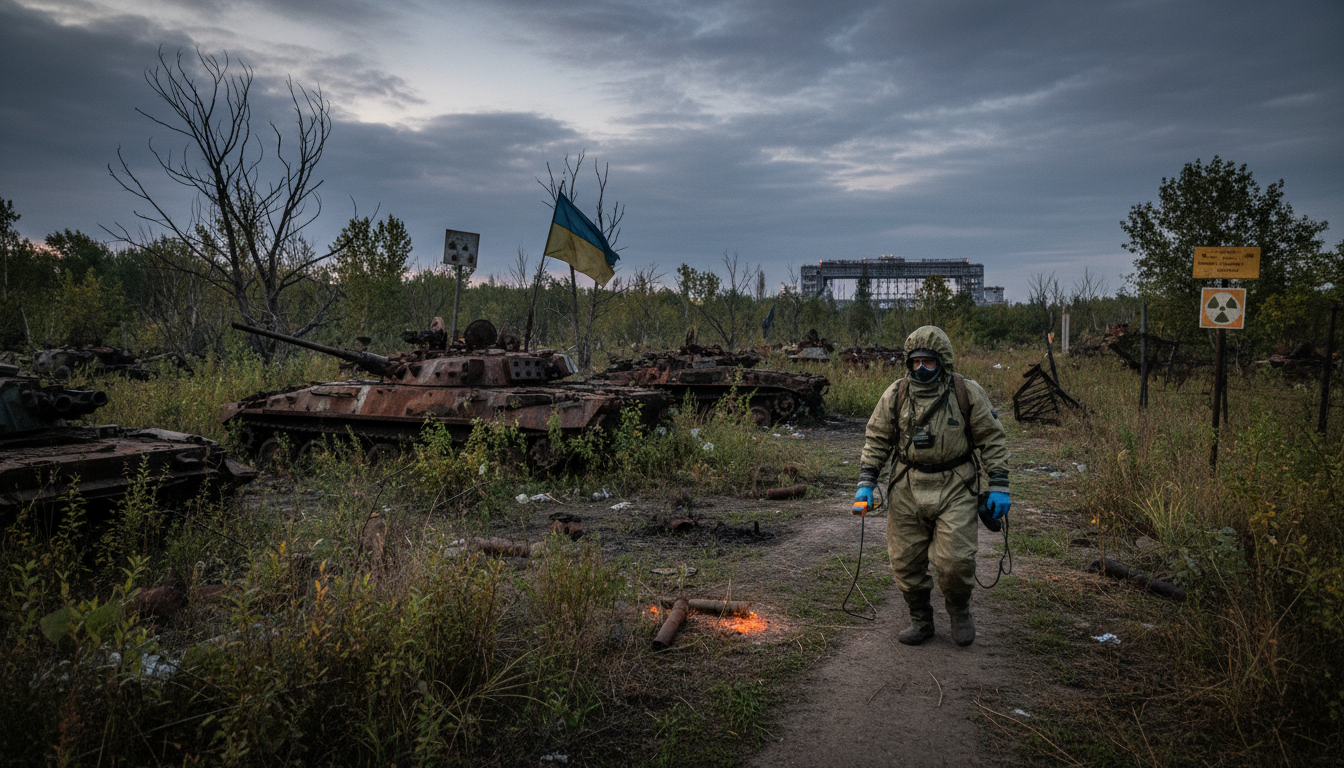
Since the full-scale conflict in Ukraine began in 2022, military movements and combat operations in regions near the exclusion zone have created a fresh set of hazards for an area still managing radioactive materials. Troop maneuvers, digging and the use of heavy vehicles can disturb contaminated soils and legacy waste sites, potentially remobilizing radioactive particles and complicating monitoring efforts. Observers and scientists have expressed concern that damage to storage facilities, monitoring stations or containment structures—intentional or accidental—could increase environmental and public health risks.
Military presence also complicates the work of technicians and international teams tasked with maintenance, decommissioning and scientific study. Restricted access, security incidents and shifting front lines make it harder to carry out routine inspections and emergency preparedness measures, increasing uncertainty about how well protective systems would perform under stress. The combination of a still-radioactive environment and active conflict has therefore drawn calls for both heightened safeguards and diplomatic efforts to insulate nuclear sites from military action.
Monitoring, decontamination and international oversight
Ukrainian authorities continue to lead containment and decommissioning efforts while working with international partners for technical support, monitoring and funding. Remote sensing, periodic ground sampling and centralized data collection are central to understanding current risks and guiding remediation priorities across the zone. International bodies and scientific teams contribute expertise and independent assessments that help verify local measurements and support transparency in reporting.
Continued investment in long-term monitoring infrastructure, safe waste storage and emergency response capacity remains critical to reduce future hazards and to preserve gains in environmental recovery. Experts emphasize that sustained, predictable funding and international cooperation will be necessary for the coming decades to manage legacy waste, conduct research and maintain safe access protocols. Robust public communication and community engagement around the zone’s status also play a role in preventing risky return or unregulated activity in contaminated areas.
Chornobyl at 40 is thus not only a story of an environmental catastrophe that reshaped landscapes and lives, but also of a complex, ongoing effort to balance ecological recovery, human safety and the added unpredictability of armed conflict. The exclusion zone will continue to demand scientific attention, diplomatic care and practical resources to prevent old contamination and new disturbances from producing further harm.
