
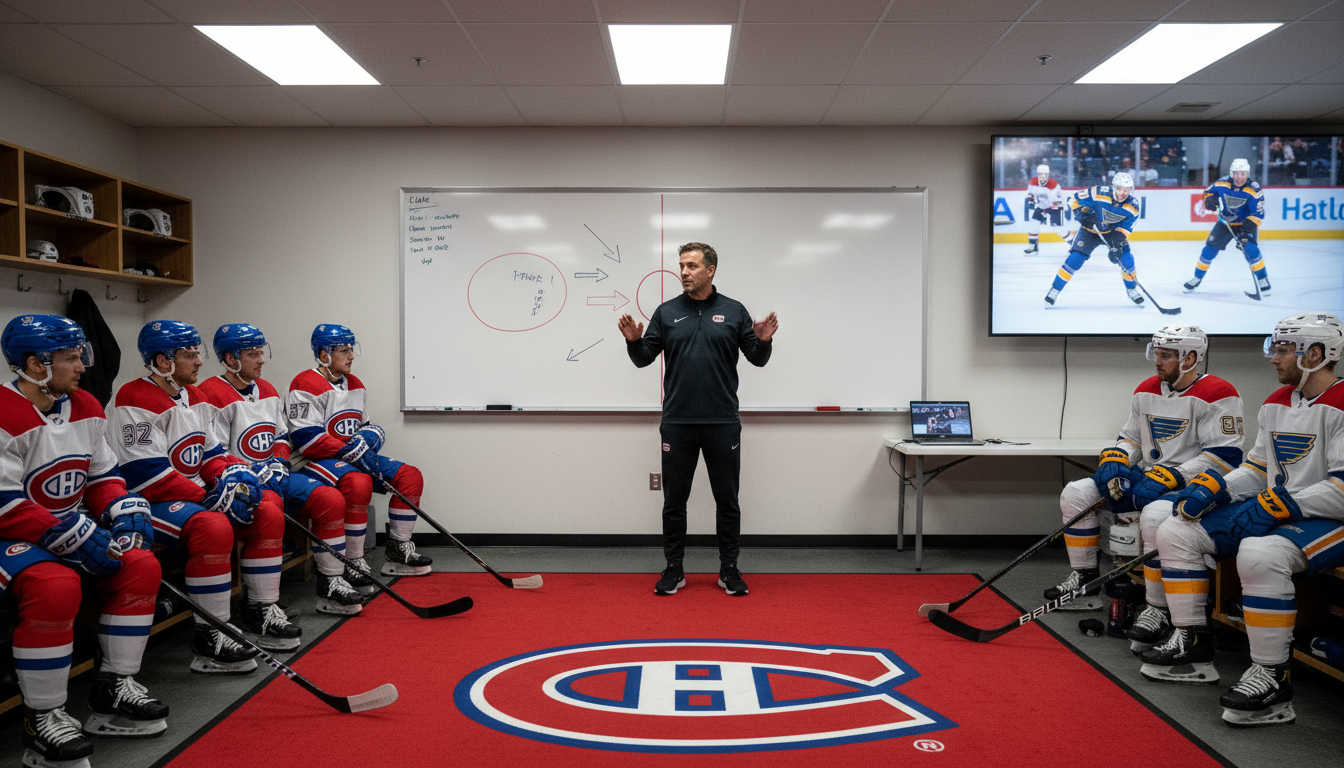
Canadiens urged to bring "more St. Louis" into their collective game
A recent video clip urging the Montreal Canadiens to add "more St. Louis" into their collective game has reignited debate about the club’s identity and tactical direction. The clip argues that the Canadiens need the particular blend of physicality, puck management and urgency associated with St. Louis to improve consistency, and that message has become a focal point for coaches and analysts. The call for "St. Louis on Canadiens’ collective game" is being discussed as a potential template for lineup and strategy adjustments as the team seeks steadier results.
Analysts urge increased St. Louis influence
A group of analysts in the clip argued that the Canadiens would benefit from incorporating elements commonly associated with St. Louis into their week-to-week approach. The critique centers on the idea that injecting that player’s style across lines could raise compete levels, defensive support and transition play without sacrificing skill. Panelists suggested this is less about replacing personnel than about encouraging a shared ethic and situational habits throughout the roster.
What "more St. Louis" means on the ice
The phrase "more St. Louis" was used to describe a mix of hard forechecking, disciplined board play and timely physical interventions that shift momentum. Analysts described it as both a mindset and a set of on-ice actions: engaging opponents in the corners, cleaning up loose pucks, and finishing rushes with physical presence. Those traits, they argued, often lead to second-chance opportunities and help stabilize defensive-zone coverage by forcing opponents into hurried decisions.
Where the Canadiens have struggled recently
The clip pointed to recurring lapses in consistency as the main reason the Canadiens should look to add the St. Louis dimension to their collective game. Observers noted stretches in recent outings where puck retrieval, contested battles and finishing efforts were uneven from shift to shift. That variability, analysts said, has translated into defensive breakdowns and missed chances to tilt possession in the team’s favor.
Coaching and roster implications
If a commitment to "more St. Louis" becomes a clear organizational directive, coaches may prioritize role clarity and reinforcement of physical habits during practices. That could influence line combinations, shift starts and personnel deployed in late-game or high-leverage situations. Management decisions could also be shaped by whether the club views the change as a philosophical tweak or as one that requires roster additions to reliably supply the desired traits.
Tactical adjustments that could follow
Adopting more of the St. Louis approach might prompt tactical shifts such as shorter shift lengths for high-energy players, purposeful net-front presence on offensive zone possessions, and an emphasis on winning board battles after lost faceoffs. Special teams could be adjusted to favor aggressive puck retrieval and faster outlet options, and neutral-zone strategies might prioritize clogging passing lanes while still seeking quick entries. The recommended tweaks were framed as compatible with the Canadiens’ skill base rather than mutually exclusive with it.
Fan and analyst reaction to the call
Reaction from observers who have discussed the clip has been mixed but engaged, with many fans welcoming a clearer identity while others urged caution about overemphasizing one style. Some analysts warned that adopting a single template risks diluting the team’s creative strengths if not implemented with balance. Still, there was general agreement that raising the baseline for physical commitment and contested puck wins would likely benefit the Canadiens in tight games.
The conversation around adding "more St. Louis" to the Canadiens’ collective game underscores a larger truth about roster construction and coaching: identity is both taught and reinforced. Whether through practice habits, lineup choices or targeted personnel moves, the club faces choices about how it wants to blend skill, structure and grit moving forward. The coming stretch of games will reveal whether the team responds by adopting elements of that suggested approach.
