
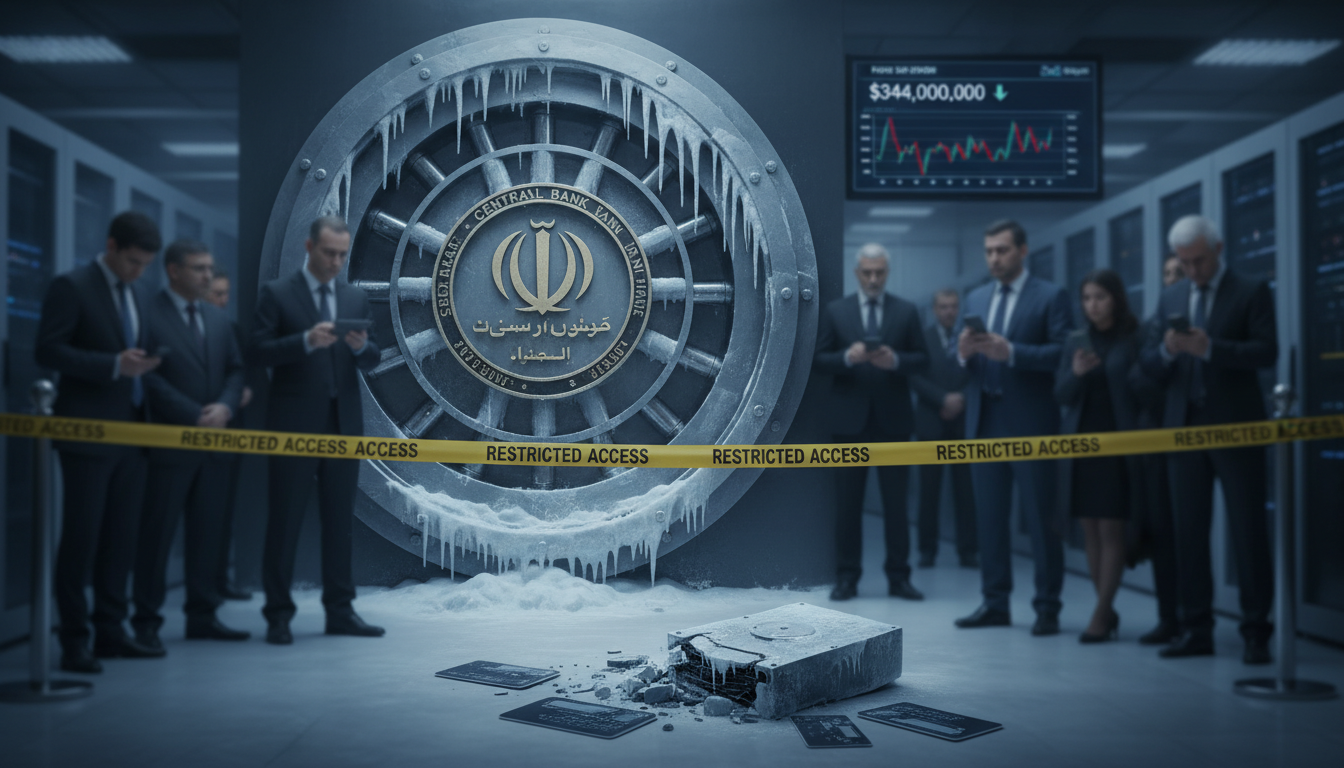
U.S. freezes $344M, spotlight on Iran crypto as sanctions, hacks and IRGC influence reshape Tehran’s markets
U.S. sanctions and freezes $344M in Iran-linked crypto, intensifying scrutiny of Iran crypto markets as the IRGC, cyberattacks and sanctions reshape financial flows.
Iran crypto activity surged this spring after joint strikes in late February, prompting U.S. officials to freeze roughly $344 million in digital assets linked to Iran and to escalate enforcement against networks of Iran-linked wallets. Ordinary Iranians and state-linked actors alike have relied on cryptocurrencies to preserve savings and move funds, but new sanctions and high-profile hacks have added volatility and risk to the market.
U.S. action and asset freezes
In early April, U.S. authorities announced sanctions and the freezing of hundreds of millions of dollars in cryptocurrency tied to Iran, framing the move as an effort to cut off Tehran’s financial lifelines. The U.S. Treasury described the enforcement as targeting networks that facilitated sanctioned activity and sought to disrupt channels Iran uses to move value outside formal banking systems.
Officials signalled this was part of a broader strategy to follow illicit and sanctioned flows on-chain, using a mix of regulatory pressure and blockchain tracing to identify wallets and services implicated in sanctions evasion. The measures follow earlier designations and targeted actions against entities accused of operating unauthorised exchange services and transferring value in ways that undermine sanctions.
IRGC presence on the blockchain
Blockchain analytics firms estimate that wallets connected to the Islamic Revolutionary Guard Corps account for a substantial share of on-chain activity attributed to Iran, a reflection of the IRGC’s deep economic reach. Analysts warn that identified addresses likely represent only a portion of state-linked holdings because many controlled wallets remain unrecognized or obscured through intermediaries.
The IRGC has been linked to mining operations that convert subsidized domestic energy into cryptocurrency and to other revenue-generation schemes, according to researchers. That mix of state-directed mining, commodity trade and shadow financial activity has made Iran’s crypto ecosystem attractive to authorities seeking alternatives to the global banking system.
Nobitex surge, user flight and cyberattacks
Tehran’s largest local exchange, Nobitex, has been central to the country’s crypto infrastructure by allowing rials to be swapped for cryptocurrencies and enabling rapid transfers to personal wallets. Exchanges like Nobitex saw sharp surges in outflows around periods of military escalation, and some users reported moving holdings to private wallets hours before strikes and cyber incidents.
The platform was also the target of a major hack in June 2025 that resulted in tens of millions of dollars in crypto being stolen and later destroyed by transfers to inaccessible addresses. Security breaches and spikes in transaction volume during crises have heightened fears among ordinary users about custody and the safety of funds left on state-linked or domestic exchanges.
Sanctions enforcement beyond freezes
U.S. enforcement agencies have pursued a multipronged approach, sanctioning intermediary companies and purported facilitators that enable sanctioned actors to access global markets. Earlier actions included designations of firms registered abroad accused of operating as unauthorised exchanges or processing transactions that benefited Iran.
Regulators and blockchain investigators say similar interventions are likely to continue as authorities build capacity to trace value on public ledgers and disrupt service providers that facilitate sanctioned flows. These moves have also led many major international exchanges to block or freeze accounts connected to Iran, further isolating domestic users from global platforms.
Cryptocurrency as an economic lifeline for Iranians
For many Iranians, crypto has become a tool to preserve purchasing power amid runaway inflation and a depreciating rial. Stablecoins and other tokenized dollars have been used by households and businesses to protect savings and to facilitate imports that would otherwise be blocked by sanctions or banking restrictions.
State actors, meanwhile, have used crypto in more strategic ways — including reported payments for transit, purchases and revenue from mining — blurring the lines between civilian usage and state-directed financial engineering. Reports indicate that even the central bank has engaged with stablecoin holdings as part of efforts to maintain access to dollar-denominated value outside traditional channels.
Connectivity, internet shutdowns and market fragility
The Iranian market’s reliance on crypto has been complicated by government-imposed internet restrictions, which have disrupted trading and communication during times of unrest. Cyberattacks attributed to external groups have further destabilized exchanges and sent users scrambling to move funds into private wallets.
Combined with the targeting of exchange infrastructure by sanctions and enforcement actions, these pressures have made it more difficult for ordinary users to access international crypto services and expertise. Analysts warn that continued clampdowns and technical attacks could deepen the split between Iran’s domestic crypto economy and the global crypto ecosystem.
As enforcement intensifies and the IRGC’s footprint on-chain remains significant, the future of Iran’s cryptocurrency landscape will depend on how regulators, exchanges and users adapt. For now, the market sits at the intersection of geopolitics and finance, where sanctions, security and the everyday needs of Iranians collide.
