
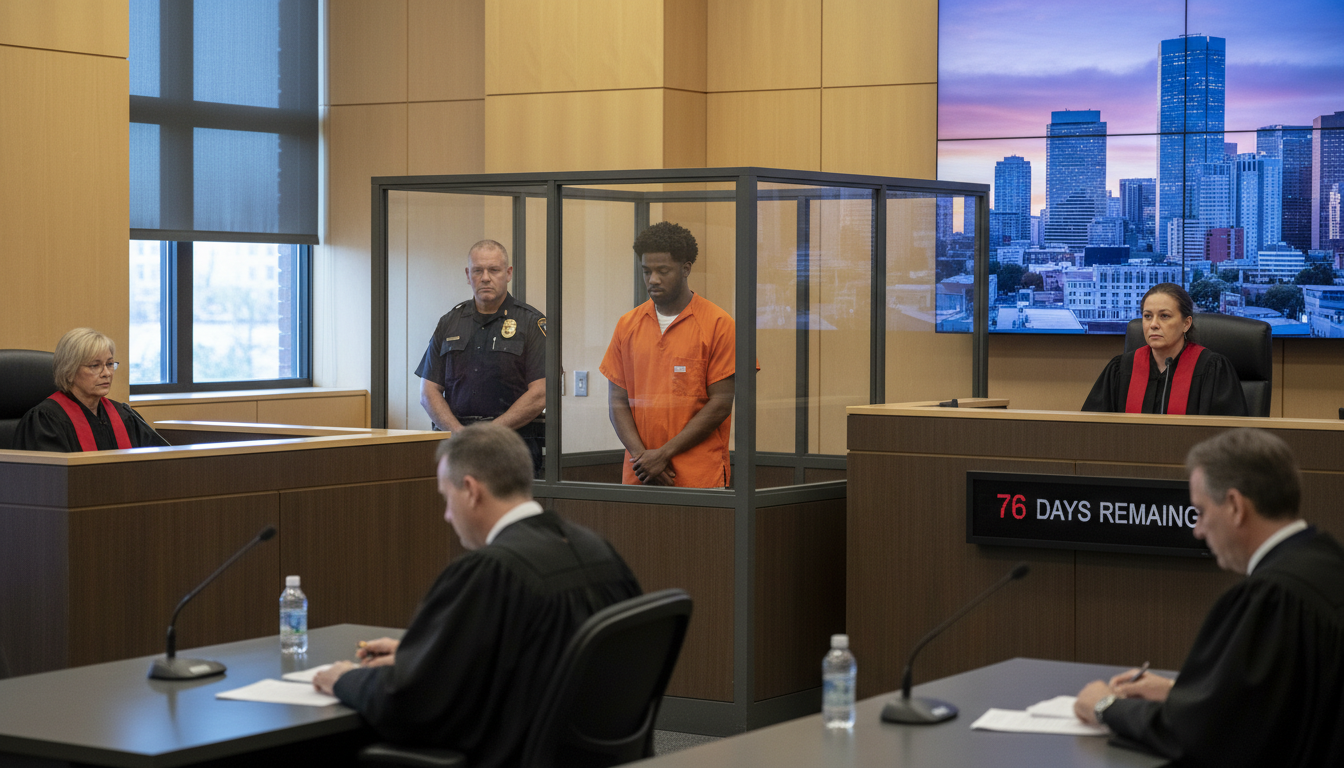
Calgary manslaughter sentence: Michael Elendu given eight years but will serve just 76 more days
A joint Crown and defence recommendation led to an eight-year Calgary manslaughter sentence for Michael Elendu on April 24, 2026, though he will serve only 76 more days in custody because of time already spent behind bars. The conviction stems from the Dec. 16, 2020, death of roommate Kyreese Wright, and the judge imposed a year of probation with counselling requirements.
Incident began with argument over loud music
The fatal confrontation started when Wright complained about loud music while roommates were cleaning their Panorama Hills home. Tensions escalated quickly and Elendu retrieved a sword during the exchange, according to courtroom findings. Wright retreated to a basement bedroom to ask another roommate for a gun, then opened the locked door moments later, setting off a rapid and deadly exchange.
Retrial ended in reduced manslaughter verdict
A retrial earlier this year on a charge of second-degree murder resulted in a conviction on a reduced count of manslaughter in February. Justice Nancy Dilts found that Elendu did not possess intent to inflict grievous bodily harm and instead reacted reflexively as Wright emerged from the bedroom. That legal determination formed the basis for the sentencing recommendation accepted Friday.
Judge accepts joint recommendation from Crown and defence
On April 24, 2026, Justice Dilts accepted a joint proposal from Crown prosecutor Samina Dhalla and defence lawyer Michael Bates to impose an eight-year sentence. The agreement also called for one year of probation and court-ordered counselling, including anger management, to be completed during the probationary period. Dilts described Wright’s death as a “devastating tragedy” and noted the long toll the case has taken on all involved.
Time served reduces remaining custody to 76 days
Although the global term is eight years, Elendu’s lengthy periods in custody during two separate trial processes mean he will have only 76 days of custody left to serve. Those credits reflect time already spent in detention pending trial and retrial proceedings. The court did not extend additional custody beyond the agreed term, leaving the remaining days as the portion to be physically served.
Family members describe ongoing grief and forgivefulness
The court heard victim impact statements from several relatives, including Kyreese Wright’s mother, who described five years of alternating grief and reflection. She told the court she holds no anger toward Elendu and conveyed a message focused on love and moving forward. Wright’s family emphasized the enduring absence left by his death and the difficult process of seeking closure through the justice system.
Apology from the offender and courtroom exchanges
Elendu addressed the courtroom and apologized directly to Wright’s family, acknowledging that an apology cannot undo the loss. He expressed regret for depriving the family of a friend and brother and said he hoped they might one day find peace. The exchange was brief but marked by emotion on both sides; the victim’s mother responded in the public gallery after his remarks.
Judge outlines sequence of events and legal reasoning
In accepting the reduced conviction and the joint sentence, Justice Dilts reviewed the rapid escalation that preceded the stabbing, including mutual threats between the two men. The judge concluded Elendu’s reaction was not premeditated and occurred as Wright opened the bedroom door, contributing to the decision to treat the offence as manslaughter. Dilts also acknowledged the strain the protracted legal process placed on witnesses, families, and the defendant.
The court’s disposition closes a chapter in a case that has stretched over more than five years but leaves unresolved emotional consequences for Wright’s family and community. With probation, mandated counselling and only a short remaining custodial term to serve, the sentencing balances a significant custodial sentence on paper with the credit-for-time-served realities of Canada’s criminal process.
