
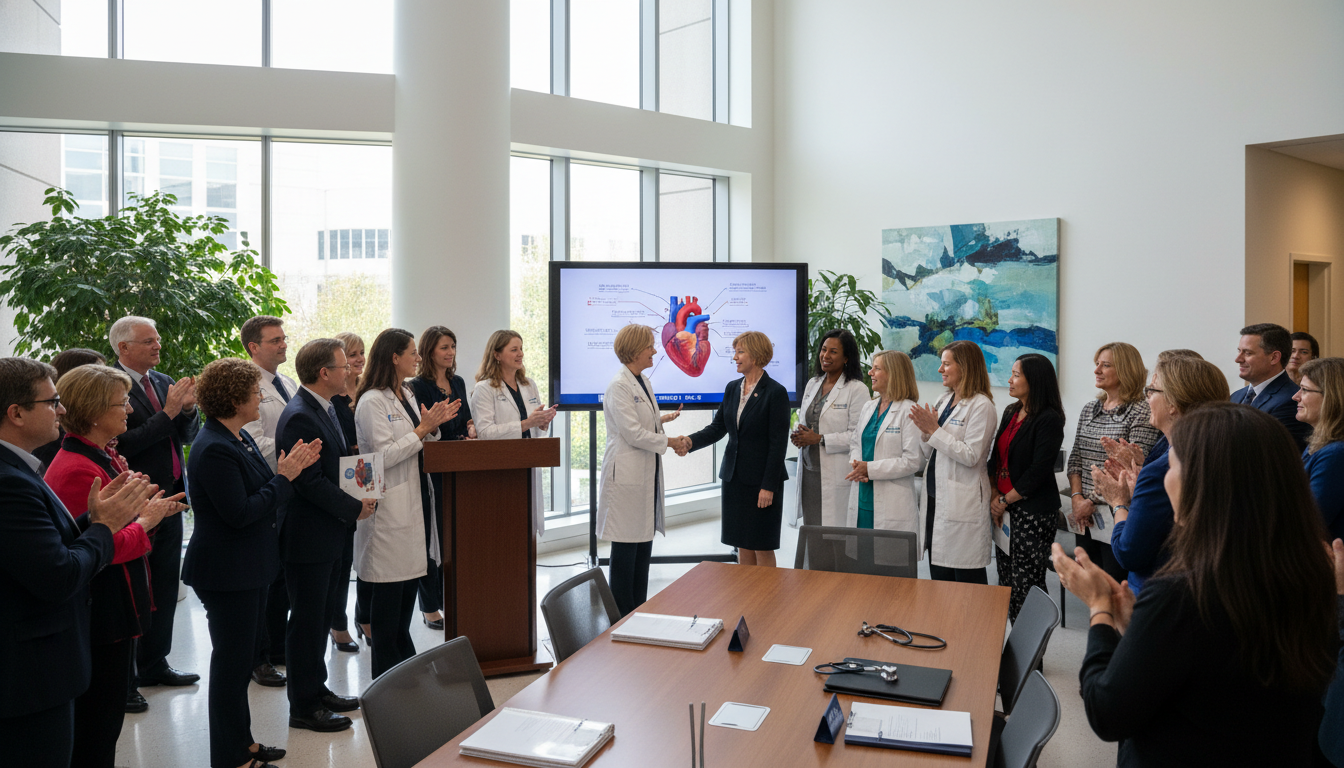
New women’s cardiovascular clinic to provide team-based heart care for conditions that disproportionately affect women
New women’s cardiovascular clinic will provide multidisciplinary, team-based heart care targeting conditions more prevalent in, or disproportionately affecting, women.
A new women’s cardiovascular clinic led by Dr. Roopinder Sandhu will offer multidisciplinary, team-based care focused on heart conditions that are more common in, or affect women differently than men. The centre aims to combine cardiology, electrophysiology, imaging and allied health services to close diagnostic and treatment gaps for female patients. Officials describe the initiative as a targeted response to decades of under-recognition of sex-specific heart disease.
Clinic will target conditions more common or atypical in women
Dr. Roopinder Sandhu, a cardiac electrophysiologist who will serve as director, said the clinic is designed to address cardiovascular conditions that present differently or more frequently in women. The model prioritizes tailored assessment and management for conditions such as microvascular disease, spontaneous coronary artery dissection and heart failure with preserved ejection fraction. Clinicians expect this focused approach to improve early detection and reduce misdiagnosis.
Multidisciplinary, team-based model announced
The clinic will organize care around multidisciplinary teams that include cardiologists, electrophysiologists, imaging specialists, nurses and rehabilitation professionals. This team-based structure is intended to streamline diagnostic workups and coordinate individualized treatment plans. Patients will have access to combined expertise at a single point of care rather than navigating fragmented referrals.
Diagnostic gaps and delayed recognition addressed
Clinicians behind the clinic point to evidence that women often experience different symptoms from men and face longer delays to diagnosis. Symptom presentation can be subtler or atypical, which has contributed to missed or delayed treatment in some cases. By standardizing protocols and raising awareness among clinicians, the program seeks to shorten the time to accurate diagnosis.
Services to include targeted testing and rehabilitation
The clinic will emphasize diagnostic testing aligned with sex-specific risk profiles, including advanced imaging and specialized functional assessments. Rehabilitation and secondary prevention services will form part of the routine care pathway, with tailored exercise, risk-factor management and patient education. Coordinated follow-up intends to reduce recurrent events and support long-term recovery.
Leadership and clinical expertise guiding care
Dr. Sandhu’s background in cardiac electrophysiology will shape the clinic’s approach to rhythm disorders and device therapy as they relate to women. The leadership team has emphasized integrating research and education to inform practice and train providers on sex- and gender-based differences in cardiovascular medicine. The clinic also plans to collect data to evaluate outcomes and refine care pathways over time.
Potential impact on patient outcomes and equity
Proponents say the clinic could narrow longstanding disparities in cardiovascular outcomes by providing earlier, more accurate diagnoses and treatment plans tailored to women. Improved coordination and access to specialty services may also reduce emergency visits and repeated testing. The initiative is being framed as both a clinical resource and a platform for advancing research into sex-specific heart disease.
Early outreach materials note the importance of patient-centered communication and shared decision-making in managing chronic cardiovascular conditions. The clinic’s organizers intend to work with primary care providers and community partners to ensure referrals reflect the full spectrum of symptoms that may indicate heart disease in women.
The launch of this specialized clinic reflects growing attention within cardiology to sex- and gender-informed care. By combining multidisciplinary expertise, focused diagnostics and coordinated follow-up, the program aims to improve recognition and outcomes for women with cardiovascular disease.
