
WHO Chief Urges Urgent Action as Ebola Outbreak in Ituri Surges
WHO chief travels to Ituri on May 30, 2026, urging immediate international aid as the Ebola outbreak in Ituri records more than 1,000 suspected cases and growing shortages hamper containment.
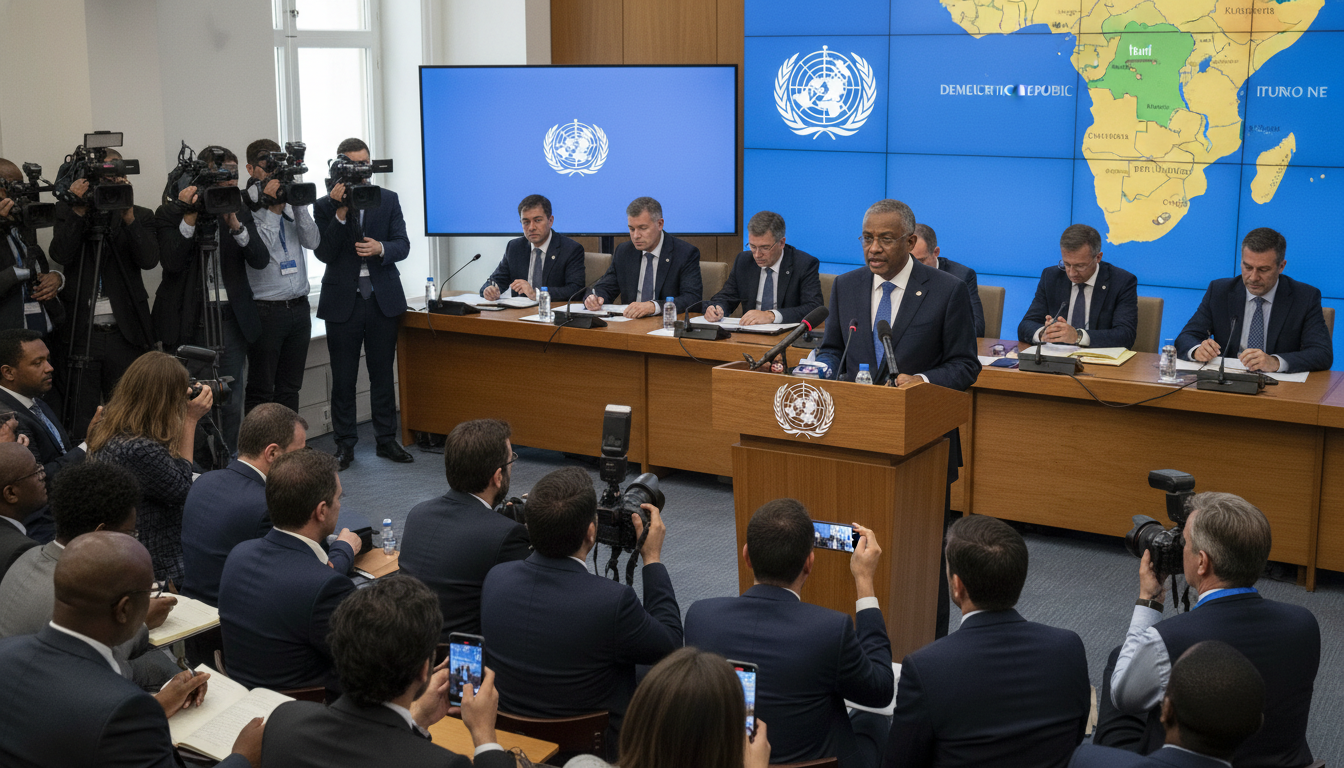
Dr. Tedros Adhanom Ghebreyesus, director-general of the World Health Organization, traveled to Ituri province on May 30, 2026 to press for a faster global response to the Ebola outbreak in Ituri. He warned that the window to contain the virus was narrowing and said decisive international support was needed to prevent a larger crisis. “It’s time to move fast,” Dr. Tedros said, stressing that rapid action could still limit spread.
WHO chief arrives in Ituri
Dr. Tedros met with provincial health officials and visited front-line facilities on his arrival, signaling heightened concern from the U.N. health agency. He described the situation as urgent and said the outbreak demanded accelerated logistics, staffing and financing to reach affected communities. The visit underscores the WHO’s view that the outbreak requires an immediate scaling-up of the response.
Confirmed strain lacks approved countermeasures
Health authorities report that the virus driving the current emergency is a species for which there are currently no approved vaccines or specific antiviral treatments. Local health teams are relying on classical containment strategies—case finding, isolation, contact tracing and supportive care—to try to curb transmission. The absence of established medical countermeasures raises the stakes for rapid public health interventions.
Scale of the outbreak and testing shortfalls
More than 1,000 suspected Ebola cases and upwards of 200 suspected deaths have been reported in the region, officials said, with numbers concentrated in Ituri province. Testing capacity remains limited, delaying confirmation of cases and complicating efforts to map transmission chains. The shortfall in laboratory capacity makes it harder to target resources and increases the risk that undetected chains of infection will persist.
Front-line shortages and facility gaps
Hospitals and isolation centers in parts of Ituri are operating at or beyond capacity, health workers report, and protective equipment and essential supplies are in short supply. Protective gear, sanitation materials and secure patient transport are critical to prevent spread in health-care settings and to safeguard responders. Amid these constraints, authorities noted small signs of recovery: at least one health-care worker was discharged after treatment this week, offering a local example of survival and resilience.
Funding gap hinders response efforts
The WHO chief warned that financial support for the emergency lags far behind needs, noting that only about one-third of requested funds has been delivered so far. That shortfall limits the ability to open new isolation units, expand laboratory networks and hire and train additional staff to run surveillance and treatment operations. Dr. Tedros urged donor governments, international agencies and private partners to move quickly to fill the funding gap and avert escalation.
Priorities for the coming days
Officials outlined an immediate plan focused on expanding testing, bolstering isolation capacity and distributing protective supplies to health teams and communities. Accelerating contact tracing and community engagement work is also essential, they said, to ensure that suspected cases are reported, contacts are monitored and misinformation does not undermine response efforts. The WHO emphasized rapid, coordinated logistics and predictable funding as prerequisites for deploying personnel and medical supplies where they are needed most.
The WHO chief’s visit highlights a critical phase in the outbreak response, with leaders calling for speed and coordination to prevent wider spread. International and regional partners now face a narrow window to scale up testing, supplies and funding to support local health workers and protect vulnerable communities from further transmission.
