
U.S. strikes Iran again as Tehran retaliates against Kuwait and Bahrain
U.S. strikes Iran after missile and drone attacks, targeting Revolutionary Guard sites in Hormozgan and Sirik on July 19, 2026, while Iran hits Kuwait and alarms sound in Bahrain.
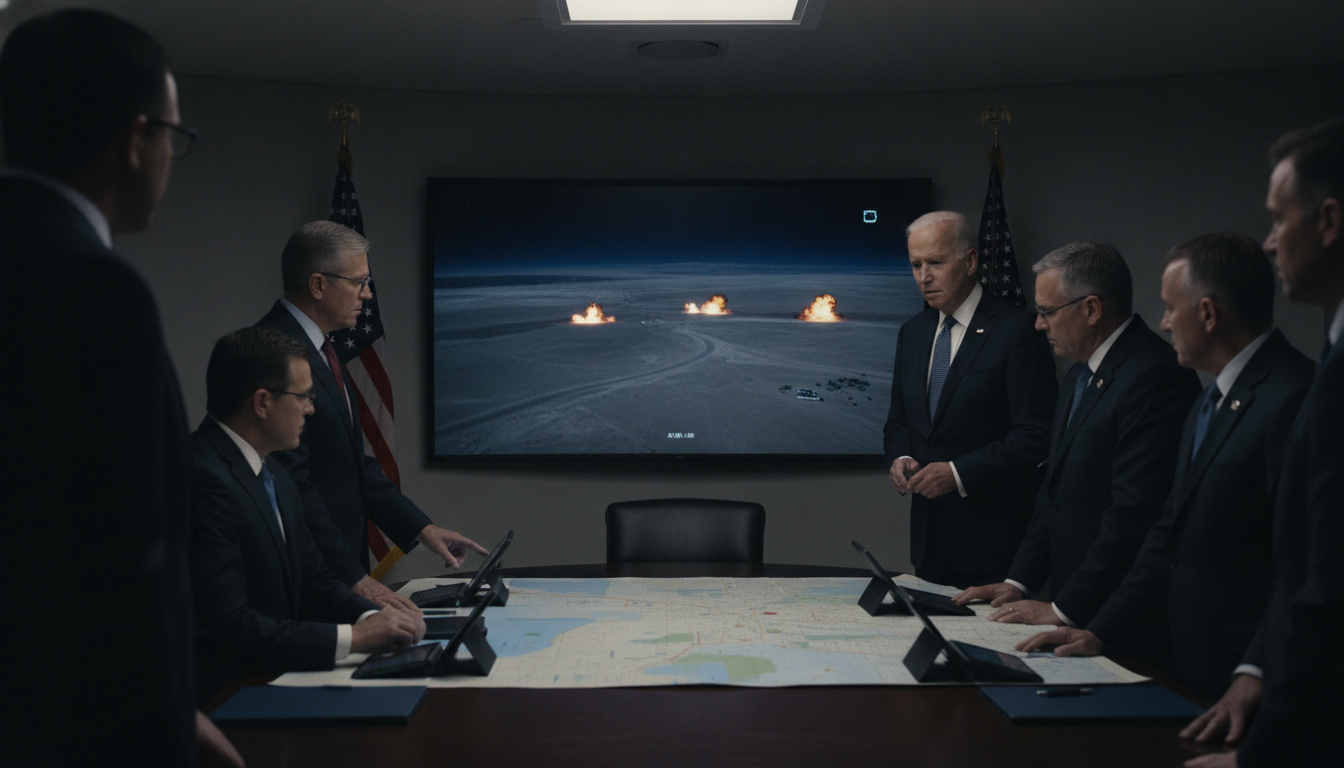
The United States launched fresh strikes on Iran on Sunday morning, July 19, 2026, saying the operation was aimed at punishing groups responsible for attacks that killed American troops in Jordan. The strikes, described by U.S. Central Command (CENTCOM) as attacks on Iranian military sites and Revolutionary Guard elements, mark an escalation in what has become nightly exchanges between Washington and Tehran.
The barrage came during the eighth consecutive night of U.S. bombardments, following Iranian missile and drone strikes on July 18 that CENTCOM says killed two U.S. service members and left a third missing in Jordan. Tehran responded with retaliatory strikes on Gulf neighbours, notably Kuwait and Bahrain, widening the geographic footprint of the confrontation.
U.S. targets and Iranian sites struck
Sirik and positions in Hormozgan province were named by Iranian state and semi-official agencies as locations hit by U.S. strikes on July 19. Iranian media reported damage near Hajiabad and in the southern port city of Sirik, both on or near the Strait of Hormuz, a strategic chokepoint for global energy shipments.
CENTCOM said its operations struck sites used by Revolutionary Guard forces that it blamed for the July 18 attacks on U.S. personnel in Jordan. U.S. officials described the strikes as deliberate efforts to degrade the capabilities of units they held responsible, while emphasizing they were targeted at military infrastructure rather than population centres.
Iran’s wider retaliatory response
In what Iranian state television framed as immediate reprisals, Tehran announced strikes on Kuwaiti bases it said were used by U.S. forces. Kuwait’s military subsequently reported responding to missile and drone attacks but provided no immediate assessment of casualties or broader damage.
Alarm sirens sounded in Bahrain later on Sunday after the capital and other areas were reported as having been targeted multiple times since hostilities intensified on July 7. Iranian officials framed the operations as proportionate responses to U.S. actions and pledged further costs for any additional American strikes.
Civilian infrastructure damaged in Kuwait and Iran
Kuwaiti authorities said infrastructure attacks over the weekend severely damaged a key oil site and forced shutdowns at power and desalination facilities, according to statements relayed by regional media. The incidents included a strike near Mangaf that produced visible plumes of smoke and temporarily disrupted energy and water production at a time when Kuwait was enduring extreme heat.
Iranian provincial authorities in Hormozgan also reported that U.S. strikes destroyed a seawater pumping station and a transformer at a desalination plant. Both governments denounced the targeting of essential services; the Gulf Cooperation Council called the damage “crimes of war,” reflecting regional alarm over the humanitarian and economic stakes of infrastructure attacks.
Human toll and military losses
Iran’s health ministry reported that U.S. strikes since June 27 have caused at least 50 deaths and more than 500 injuries, figures published by Iranian officials and state media. On the U.S. side, CENTCOM announced on July 18 that two American service members had been killed and a third was missing following Iranian missile and drone strikes in Jordan, bringing U.S. military fatalities in the conflict to 16 since the escalation that began in late February.
The rising death toll on both sides has deepened calls among some international actors for restraint, even as each exchange of strikes appears to harden positions in Tehran and Washington. Iranian commanders have publicly warned that any further American attack would be met with decisive and "devastating" responses from loyalist forces.
Shipping, the Strait of Hormuz and global energy flows
Maritime incidents in and near the Strait of Hormuz have multiplied as the exchanges intensify, returning the vital waterway to near standstill conditions. Before the outbreak of hostilities earlier in 2026, roughly one-fifth of global hydrocarbon trade transited the strait, making renewed disruptions a significant risk for international markets.
One of the main achievements of the mid-June protocol that briefly de-escalated tensions had been reopening the Strait of Hormuz, but that arrangement has unraveled as strikes resumed in July. The United States said it had reimposed a maritime blockade on Iranian ports that it had lifted after the mid-June understanding, a move likely to further strain regional shipping and energy supplies.
Political rhetoric and leadership statements
Iran’s new supreme leader, Mojtaba Khamenei, issued a written message on July 18 condemning what he called repeated violations of the mid-June agreement and asserting that the U.S. presidential signature no longer held weight in Tehran’s view. Iranian military officials, including General Ali Abdollahi, warned that future U.S. actions would incur higher costs and more severe retaliation than prior rounds of fighting.
Washington has framed its strikes as limited, punitive measures aimed at deterring further attacks on U.S. forces and regional partners, while avoiding a broader ground escalation. Even so, senior U.S. and regional officials acknowledge that the conflict’s rhythm — daily attacks and nightly counterstrikes — raises risks of miscalculation with wider consequences.
The latest round of attacks on July 19 underscores how rapidly a localized confrontation has spread across the Gulf, involving multiple states and critical infrastructure. As diplomats and military planners weigh options, the human and economic toll continues to mount and the Strait of Hormuz remains a central and precarious flashpoint.
