
U.S. strikes on Iran enter fifth night as CENTCOM targets missile and drone sites, Iran reports civilian deaths
U.S. strikes on Iran entered a fifth consecutive night as CENTCOM said forces targeted missile and drone launch sites and radars, while Iranian officials reported civilian casualties and mounting threats across the Gulf.
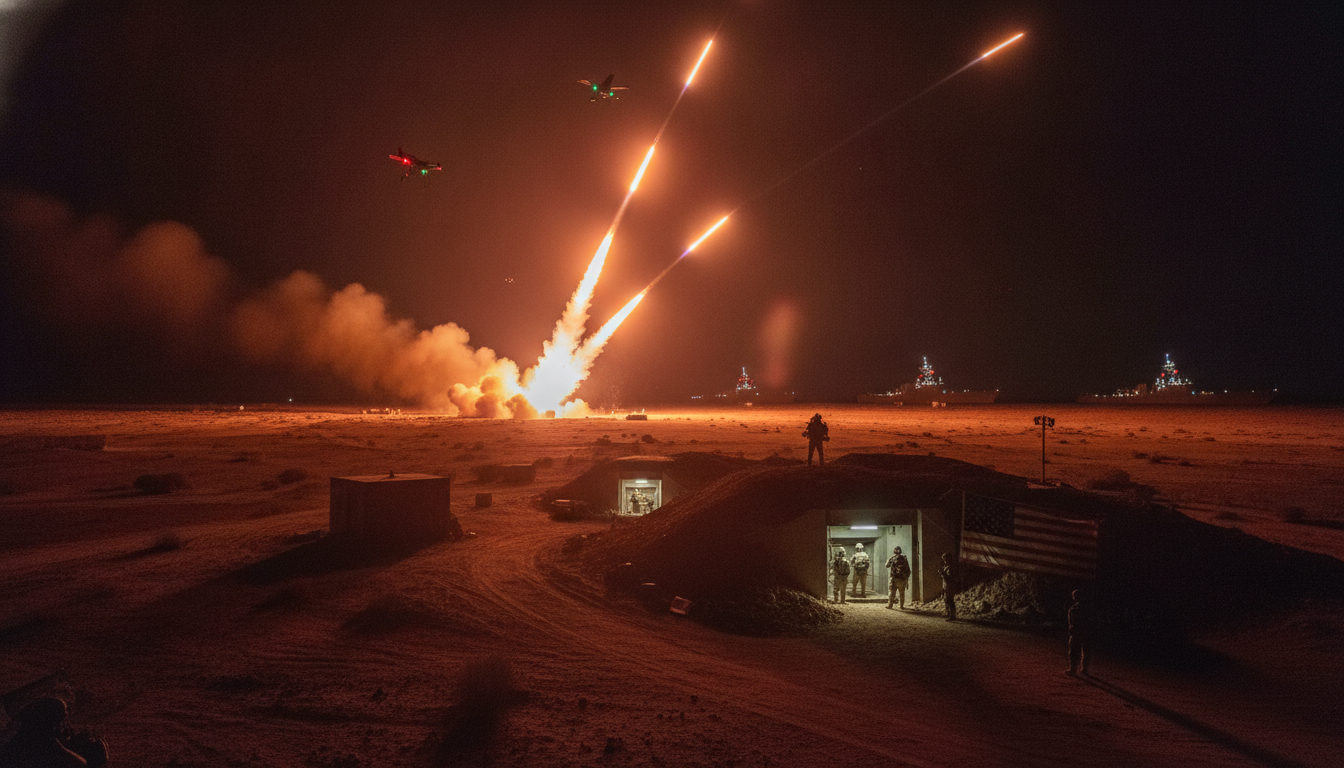
For the fifth night running, U.S. forces launched strikes deep into southern Iran, with the U.S. Central Command saying the operations aim to reduce Iran’s ability to attack ships in the region. CENTCOM said the strikes focused on missile and drone launch ramps and radar installations, including strikes near the strategic port city of Bandar Abbas.
Targets and CENTCOM objectives
CENTCOM described the operations as precision strikes intended to diminish Tehran’s capacity to threaten maritime traffic and U.S. forces. A spokesperson highlighted that radar sites and launch facilities were primary targets, and the command released imagery described as showing a strike on July 12.
The U.S. military also said it engaged a vessel that it accused of attempting to breach a U.S.-enforced naval blockade of Iranian ports. CENTCOM emphasized the broader mission was defensive in nature, framed as protecting shipping lanes and U.S. personnel in the region.
Iranian accounts of damage and casualties
Iranian state media and local agencies reported civilian casualties and infrastructure damage from the strikes. State outlets claimed more than 35 people were killed and over 300 wounded in various strikes, and local reports said residential neighbourhoods in Bandar Abbas were hit, with at least one resident killed while crossing a targeted bridge.
Regional news agencies reported that a bridge linking Bandar Abbas to Shiraz and a hospital in Ahvaz were among facilities affected, prompting local evacuations and emergency responses. Iranian officials accused Washington of striking civilian infrastructure, a charge the U.S. military has denied.
Escalation across multiple provinces
State-run media in Iran listed strikes across several provinces, including Semnan, Hamedan, Hormozgan, Khuzestan, Lorestan, Markazi and Sistan-and-Baluchistan. Semnan was singled out in Iranian reports because of its links to missile production and the country’s space programme.
Iranian military spokespeople warned that the strikes could broaden, with officials threatening retaliatory attacks against regional infrastructure if U.S. operations continued to target what Tehran deems vital assets. Those threats included explicit warnings about the Strait of Hormuz, which Tehran called a “red line.”
Military posture and troop numbers
CENTCOM said roughly 50,000 U.S. troops are deployed across the Middle East and are prepared to execute a range of missions. The command framed the deployments as a deterrent to further attacks on merchant shipping and allied forces, while signalling readiness to sustain operations.
Iran’s military leadership responded with stern language, saying that any further escalation by Washington would meet proportionate and potentially broader responses. Tehran’s officials framed their posture as defensive and warned that regional infrastructure could be targeted if attacks on Iranian territory persisted.
Maritime disruption and economic ripple effects
The conflict has directly affected maritime traffic through the Strait of Hormuz, a chokepoint that previously carried about one-fifth of global oil and LNG shipments. Shipping has thinned significantly since the reimposition of blockades and retaliatory measures, raising concerns among traders and regional governments.
Oil markets reacted to the heightened tensions earlier in the week, with Brent crude rising sharply before stabilizing around US$85 a barrel, according to trading reports cited by regional news outlets. Industry analysts warned that continued hostilities risk further price volatility and supply concerns if shipments through the Gulf are further restricted.
Diplomacy and regional responses
Pakistan, which had been mediating talks between Tehran and Washington under a June protocol, called for an immediate halt to hostilities and urged both sides to return to negotiations. Islamabad also pressed for the reopening of the Strait of Hormuz, which Tehran briefly closed in recent days as part of its pressure campaign.
Across the region, governments expressed alarm at the risk of a widening conflict. Iraq reported incidents including a drone attack near the U.S. consulate in Erbil and strikes off the port of Basra, underscoring how the confrontation has already spilled into neighbouring countries and complicated diplomatic efforts.
Civilians in affected provinces described daily life as survival rather than normal living, reporting disruptions to services, medical evacuations and mounting fear as strikes continued. Emergency responders and hospital staff in hard-hit areas faced growing strain while authorities documented damage and casualties.
International agencies and wire services compiled and cross-checked reports amid the fog of battle, with statements and casualty figures varying by source. CENTCOM and Iranian state outlets presented sharply different accounts of targets and effects, leaving independent verification of some claims difficult in real time.
The unfolding series of strikes and counterstrikes has raised urgent calls for renewed diplomacy even as both sides maintain hardened positions and show readiness for continued military action. The immediate prospect for de-escalation remains uncertain as naval operations, strikes on land, and political rhetoric continue to shape a volatile regional environment.
