
U.S. Strikes in Iran Test Fragile Ceasefire as Trump Signals Readiness for Prolonged Talks
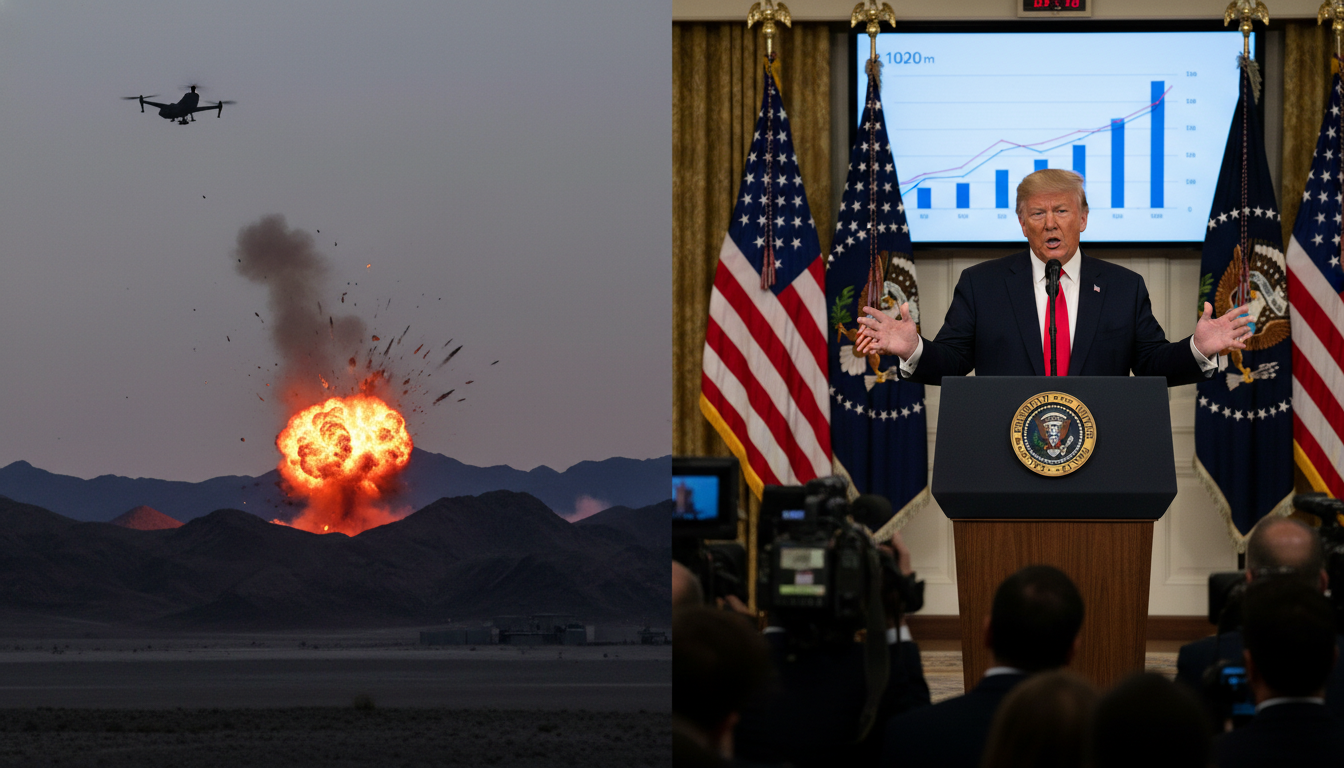
U.S. strikes in Iran on May 28, 2026, targeted southern sites the U.S. described as self‑defense, testing a fragile ceasefire and complicating an already tense negotiation environment.
The United States carried out fresh strikes in southern Iran on Wednesday, actions a U.S. official described as self‑defense, in an operation that immediately tested a fragile ceasefire in the region.
The attacks took place on May 28, 2026, and were acknowledged publicly by U.S. authorities as limited strikes designed to respond to perceived threats.
President Trump, speaking separately, signaled he was prepared for an extended negotiation process, remarks that linked the military action to the wider political context at home.
U.S. Conducts Strikes in Southern Iran
A U.S. official said the strikes struck targets in southern Iran and were carried out in self‑defense, without identifying the specific facilities or munitions used.
U.S. military and diplomatic spokespeople framed the action as narrowly tailored, emphasizing it was not intended to enlarge the conflict.
The decision followed what U.S. officials described as recent threats to American forces and interests in the region, prompting the limited action.
Testing a Fragile Ceasefire
The strikes came against the backdrop of a ceasefire that had been fragile since it went into effect, raising immediate questions about its durability.
Regional observers said even restrained military steps risk unraveling pauses in hostilities, as adversaries weigh responses and diplomatic avenues narrow.
Officials in allied capitals expressed concern that any miscalculation could reverberate across the Middle East and beyond.
President Signals Readiness for Extended Negotiations
President Trump framed the situation in political as well as strategic terms, saying at one point, "They’re negotiating on fumes," and indicating a willingness to pursue prolonged negotiations if necessary.
He suggested that political calendars would not dictate U.S. actions, saying he was prepared to keep pressure on adversaries regardless of domestic electoral considerations.
That stance appeared to signal a blend of diplomatic patience and readiness to use force if American officials judged it necessary.
U.S. Official Cites Self‑Defense
A senior U.S. official told reporters the strikes were defensive measures taken to counter imminent threats, language intended to conform with international law on the use of force.
The official declined to provide granular operational details, citing security concerns, and urged reporters to await formal statements from the Pentagon and State Department.
Military officials said rules of engagement remained calibrated to avoid civilian harm while protecting U.S. personnel and assets.
Regional and Diplomatic Implications
Analysts say the strikes are likely to complicate diplomatic efforts to consolidate any ceasefire and could prompt retaliatory responses from proxy groups or state actors aligned with Tehran.
Regional governments and international organizations are expected to redouble behind‑the‑scenes diplomacy to prevent escalation, even as public statements grow more pointed.
The incident underscores how quickly localized actions can have broader strategic consequences, testing alliances and crisis‑management mechanisms.
Next Steps for Washington and Tehran
U.S. officials indicated that diplomatic channels would remain open even as military options were kept on the table, leaving room for parallel tracks of pressure and negotiation.
Tehran has not yet issued a comprehensive public response to the strikes, and global diplomats said they were seeking clarification from both sides to avoid misunderstandings.
Observers expect heightened activity among intermediaries, including European and regional partners, as they try to stabilize the situation and avert further violence.
The strikes on May 28 represent a delicate inflection point: a U.S. action framed as self‑defense that simultaneously tests a fragile ceasefire and dovetails with presidential rhetoric about prolonged negotiations, leaving the region and international mediators watching closely as events unfold.
