
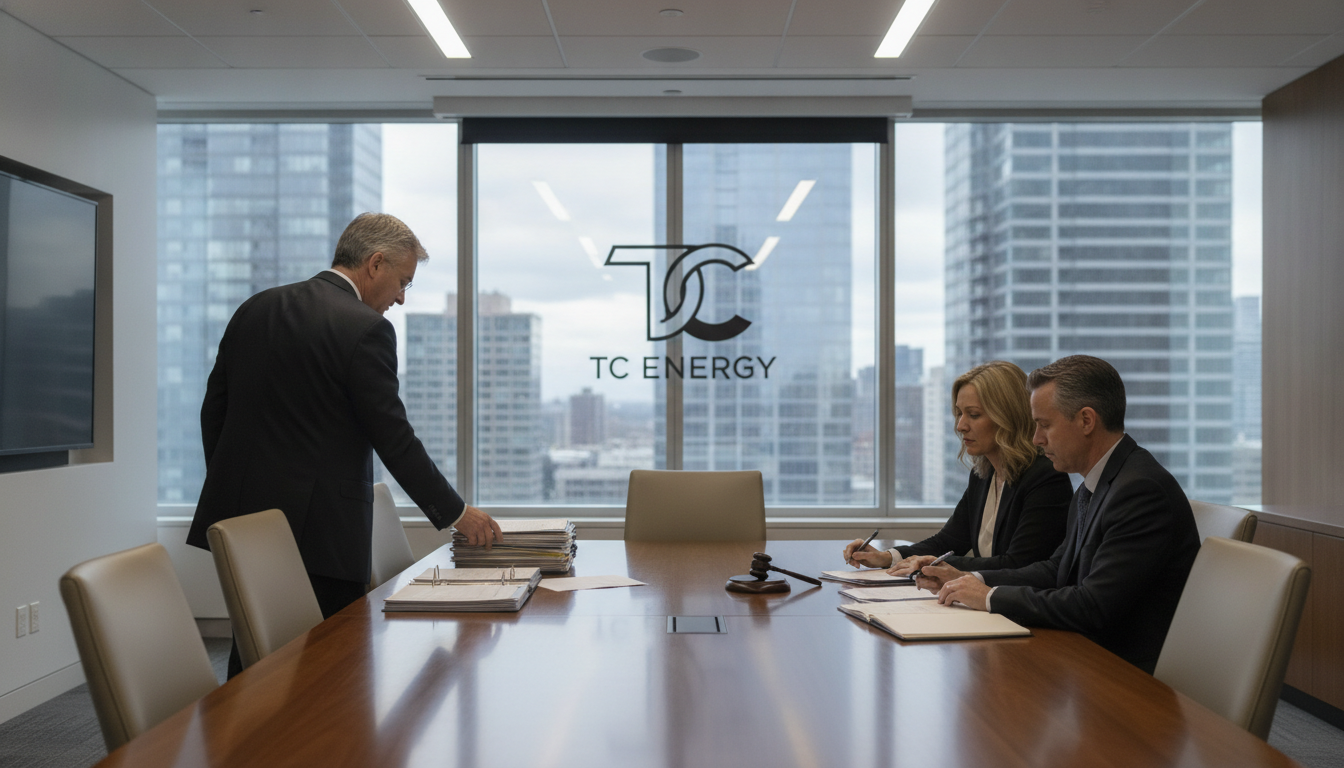
TC Energy secures more than $3 million in consent judgment against former manager Rick Urbanczyk
TC Energy settles for $3.14M after alleging rebate misappropriation; Calgary home, golf membership and prepaid vehicle lease placed in constructive trust by court.
A Calgary court has approved a consent judgment requiring Rick Urbanczyk and entities he controlled to surrender more than $3 million to TC Energy after the company alleged he misappropriated rebates and other funds.
The judgment directs transfer of property valued at $3,040,371.87 plus $100,000 in costs to the Calgary-based energy company.
TC Energy had sued, claiming diversion of at least $2,566,200, and the consent order includes measures to trace and recover additional funds or benefits tied to the alleged conduct.
Settlement totals and assets surrendered
The consent judgment specifies the precise monetary and property recoveries that TC Energy will receive under the settlement.
The bulk of the recovery is represented by a constructive trust over a residence in Tower Ridge Estates in Calgary and its contents, with additional identified assets to be turned over to the company.
The court record lists a private membership at the Mickelson National Golf Club valued at more than $50,000 and an $85,000 constructive trust over a prepaid lease for a 2026 Ford F-150 among the assets tied to the judgment.
Allegations of diverted rebates and funds
TC Energy’s civil claim accused Urbanczyk, or companies under his control, of diverting millions in amounts the company says were owed to it or its subsidiaries.
According to the pleadings, the company alleged at least $2,566,200 was misdirected away from corporate accounts, prompting the multi-million-dollar action that culminated in the consent judgment.
The settlement does not reflect a criminal conviction; it resolves the company’s civil claims through an agreed court order that establishes ownership of the identified assets in favour of TC Energy.
Employment role and scope of responsibility
Court filings state Urbanczyk was hired by a TC Energy subsidiary, TCPL, on March 1, 2021 as director of real estate and property management.
The position was described in the claim as giving him effective responsibility for lease arrangements and land transactions across North America, placing him in a role that involved negotiating and administering property-related financial matters.
The company’s pleadings say his conduct allegedly began soon after his appointment and was aimed at obtaining personal benefit from company funds.
Constructive trusts and tracing powers outlined
The consent order declares constructive trusts over assets purchased, the judgment says, allowing TC Energy to assert proprietary claims over specific property tied to the alleged misappropriation.
Language in the order also authorizes the company to trace funds and to demand detailed accounts of transactions, including any profits or benefits derived from the misappropriated monies.
Those tracing and trust provisions give TC Energy an avenue to identify and recover additional assets or returns generated by the disputed funds until the judgment is satisfied.
Judicial approval and legal mechanics
The consent judgment was signed by Court of King’s Bench applications judge Jim Farrington and filed with the court, formalizing the settlement terms.
By entering a consent order, the parties avoided a contested trial and instead recorded a binding court directive outlining transfer of assets, costs and the mechanisms for further recovery if traced funds are identified.
The order’s terms, including the constructive trusts and tracing rights, give the company legal remedies typically available in civil recovery proceedings where proprietary misapplication is alleged.
Potential corporate and governance implications
The high-dollar settlement underscores the financial and reputational risks companies face when internal controls are circumvented or allegedly abused.
For TC Energy, the consent judgment resolves a specific dispute while highlighting the importance of oversight in areas such as lease administration and real estate transactions.
The outcome may prompt companies to review approval workflows, vendor rebates, reconciliation processes and monitoring of staff with authority over property and lease deals.
The consent judgment resolves TC Energy’s civil claim against Rick Urbanczyk and the named entities by transferring identified assets and costs to the company, while preserving the right to trace and recover additional funds connected to the alleged misappropriation.
