
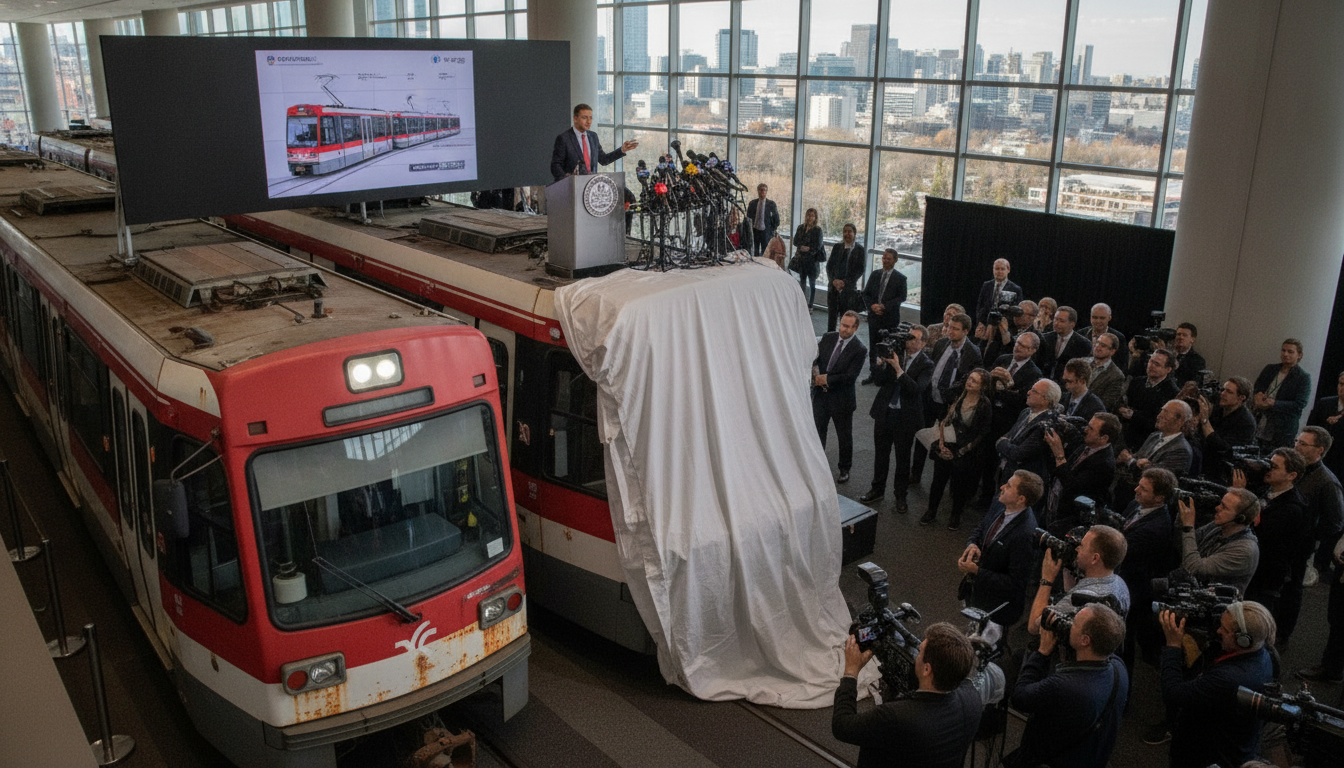
Edmonton to retire Siemens U2 trains as city moves forward with LRT fleet replacement
Edmonton to replace ageing Siemens U2 trains with new LRVs; procurement, budget and delivery timeline aim to keep the LRT safe and reliable.
City announces phased replacement of Siemens U2 trains
Edmonton city officials have confirmed a procurement plan to replace the long-serving Siemens U2 trains that have been in service on the city’s LRT network since the system opened in 1978. The move, city leaders say, is part of a broader capital program that anticipates vehicle renewal while supporting planned line expansions. (edmonton.ca)
Fleet origins tied to 1978 Commonwealth Games
The Siemens U2 vehicles on Edmonton’s Capital and Metro lines date back to the original LRT rollout for the 1978 Commonwealth Games and subsequent deliveries in the late 1970s and early 1980s. Those units have provided decades of service but are now among the oldest operating light rail vehicles in North America. (en.wikipedia.org)
Contract awarded to build next-generation LRVs
The city completed a competitive procurement process and has contracted Hyundai Rotem Company to design and manufacture a new set of high-floor light rail vehicles. City announcements and industry reports indicate the order covers vehicles intended both for line extensions and to begin replacing the ageing U2 fleet. (railwayage.com)
Replacement funding already in capital budgets
City documents show the cost of vehicle renewal has been accounted for in recent capital budgets, with procurement steps forming part of multi-year planning. Edmonton officials have said budget approvals and capital forecasting guided the timing of the procurement so replacements can proceed without unexpected fiscal pressure. (pub-edmonton.escribemeetings.com)
Maintenance challenges and safety considerations cited
Officials have long flagged that some parts for the U2 cars are no longer manufactured and that the trains are beyond their intended life-cycle, creating maintenance and reliability risks. Municipal leaders emphasized that replacing the fleet is intended to preserve safety, reduce service disruptions and improve operational efficiency across the network. (masstransitmag.com)
Delivery schedule and staging for service continuity
The procurement contract anticipates design and construction to begin soon, with deliveries scheduled in a phased program between 2029 and 2030 for the initial vehicles. City planners say the rollout will be staged to maintain service levels while allowing crews to commission and test new vehicles before older units are retired. (masstransitmag.com)
Edmonton’s deputy city manager for city operations noted that the U2 trains “have been around since the beginning of the LRT,” and described several units as past their life-cycle; city officials say replacement timelines were built into existing capital plans to ensure procurement proceeds in an orderly way. The administration has stressed that the program is driven by safety and long-term network reliability.
Public engagement materials from the transit authority show officials are also seeking rider feedback on interior layouts and accessibility options for the next-generation vehicles. The city has signalled that design choices will reflect accessibility standards and capacity requirements for future expansions, including new stations on the Metro and Capital lines.
Transit operations staff will run a commissioning program as new vehicles arrive, with staged testing on mainline tracks and in yards before those cars enter regular passenger service. City transit managers have indicated that some U2 units will remain in operation during the transition to sustain peak-period capacity and avoid service interruptions.
Local stakeholders, including transit advocacy groups and long-time riders, have expressed mixed feelings about retiring a familiar fleet while welcoming improved reliability and accessible design. City officials say they will continue to coordinate with community partners and report progress to council as delivery milestones are reached.
Timetables for vehicle deliveries, yard upgrades and training will be published as procurement milestones are met, and the city expects to communicate detailed service impacts before any older trains are withdrawn from revenue service. The phased approach is intended to balance uninterrupted service with the practicalities of introducing a modern vehicle fleet.
The replacement program marks a significant renewal for Edmonton’s LRT network and aims to provide a safer, more reliable and higher-capacity service for riders as the city expands its light rail system.
