
POCSO Trial Delays Leave Family in Limbo as Accused Remains in Custody
POCSO trial delays in a child sexual assault case have left a family watched and the accused in custody, exposing evidence gaps, court backlogs and the human cost of protracted proceedings.
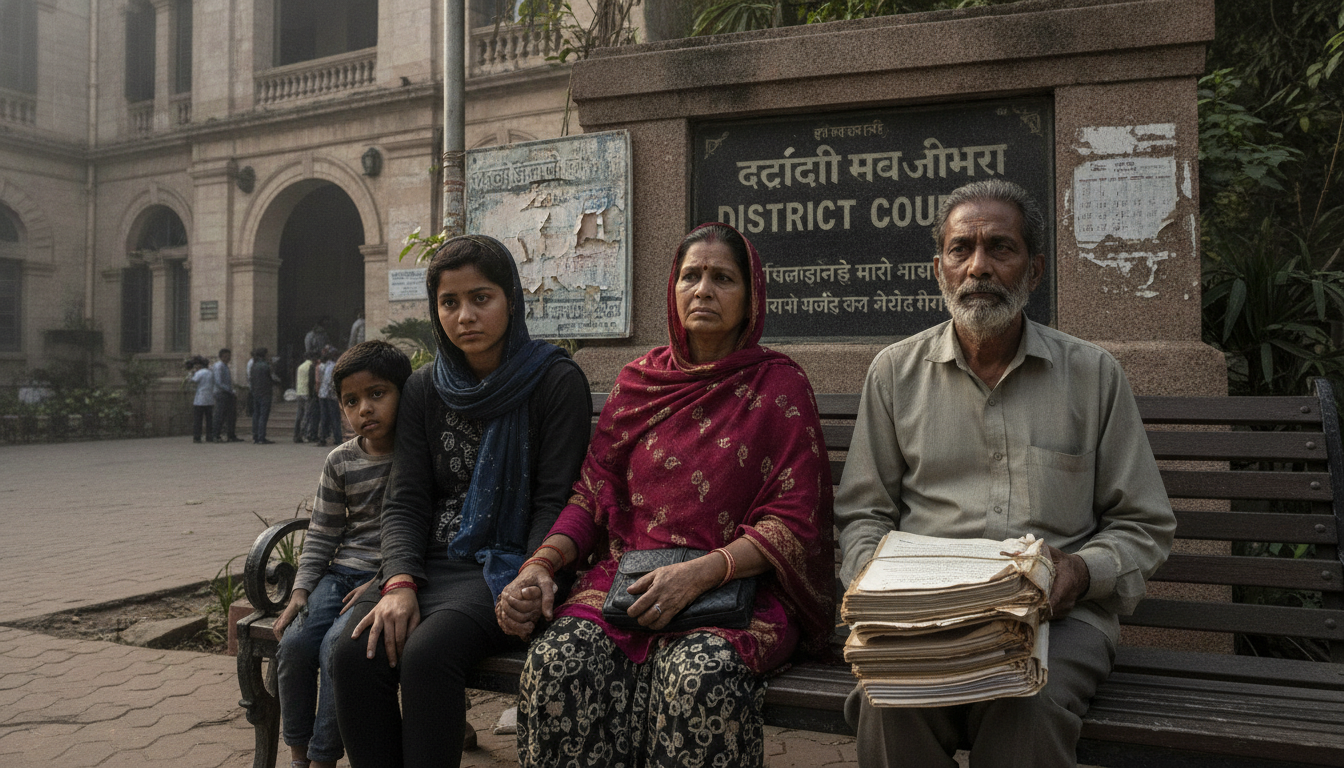
For eight years the family at the centre of a child sexual assault prosecution has lived under sustained surveillance while the accused remains detained and the trial moves forward in fits and starts. The case, which entered the record after an FIR in 2018, has become emblematic of how POCSO trial delays strain victims, defendants and the courts tasked with delivering speedy justice.
Investigation stalled by transfers and evidence questions
ASI Parvati, who led the investigation when the FIR was registered in 2018, built a close relationship with the child’s parents and their children before she was transferred away four years ago. Her departure interrupted a continuity the family relied on for updates, and the prosecution team now expects she will have to be re-summoned as a witness when procedural issues are resolved.
Prosecutors and the NGO supporting the family say defence counsel has challenged aspects of evidence collection, creating fresh bottlenecks in a trial already slowed by adjournments. Ashish Kumar, director of Legal Interventions at HAQ, which is assisting the family, told reporters that mistakes in the early handling of the case have set the court timetable back and will likely require the investigating officer to reappear.
Court scheduling and the one‑year mandate
Under the POCSO framework, special courts are meant to ensure child-friendly, expedited hearings and aim to complete trials within a year of taking cognizance. In this instance that statutory objective has not been met, with medical testimony and police witnesses still giving evidence and hearings spaced months apart.
Court calendars and heavy pendency are major contributors to the delay, according to defence and prosecution observers. Judges frequently note overloaded dockets when asked for earlier dates, a practice advocates say undermines the special courts’ purpose and leaves both victims and accused in prolonged uncertainty.
Daily life under court‑mandated surveillance
A separate judicial order required closed-circuit cameras be installed at the family’s home entrances after ongoing disputes with relatives occupying other floors. The couple spends long stretches monitoring a grainy CCTV feed of the lane outside, toggling between the surveillance images and regular programming as they try to protect their children and their privacy.
Neighbourly tensions have amplified the family’s vulnerability: arguments over shared utilities and competing claims on joint property have led to repeated police calls and a parallel civil dispute. Social workers have visited to suggest relocation within the neighbourhood, but the couple has resisted moving away from their community and their support networks.
Impact on courtroom conduct and sensitivity
Legal advocates warn that delays are compounded by instances of judicial insensitivity, including lines of questioning that downplay sexual violence or shift blame onto victims. Kumar and other juvenile‑justice practitioners say such treatment is exactly what the POCSO special courts were designed to prevent.
Former public prosecutor Raj Kataria and NGO lawyers stress the need for more rigorous, child‑centred procedures to preserve dignity and avoid re-traumatization. They argue that operating special courts with the same tempo and attitudes as regular criminal courts defeats the legislative intent behind POCSO.
Balancing rights: accused detained without conviction
The accused in the case has been in custody for the better part of eight years, a fact that raises its own questions about the balance between ensuring accountability and safeguarding the rights of someone not yet convicted. Advocates for fair process say lengthy pretrial detention without a timely resolution can be as damaging to justice as undue delay in investigating complainants.
Prosecutors note that, if convicted of penetrative sexual assault against a child under 16, the accused faces a significant statutory term and potential fines for medical and rehabilitation costs. Still, defence arguments highlighting procedural flaws have slowed the path to a determination and kept the accused in prolonged detention.
Calls for reform and immediate remedies
Stakeholders point to several practical fixes to reduce POCSO trial delays: stricter adherence to evidence‑collection protocols, better case management in special courts, and training for judges and lawyers on child‑sensitive procedures. Legal aid and NGOs are also urging more proactive scheduling and oversight to prevent repetitive adjournments.
For the family and their legal team, the immediate concern is the reinstatement of missing witnesses and the rectification of technical lapses so the court can resume meaningful progress. Officials have acknowledged gaps and say steps are being considered to ensure witnesses are available and that remaining evidence is processed without further avoidable delay.
The couple has repeatedly declined offers to move from their home despite ongoing clashes with relatives downstairs, insisting on staying put while they pursue the case through the special court system. Their refusal highlights the broader human toll of POCSO trial delays: the search for justice endures even as ordinary life and family relations fray under the strain.
