
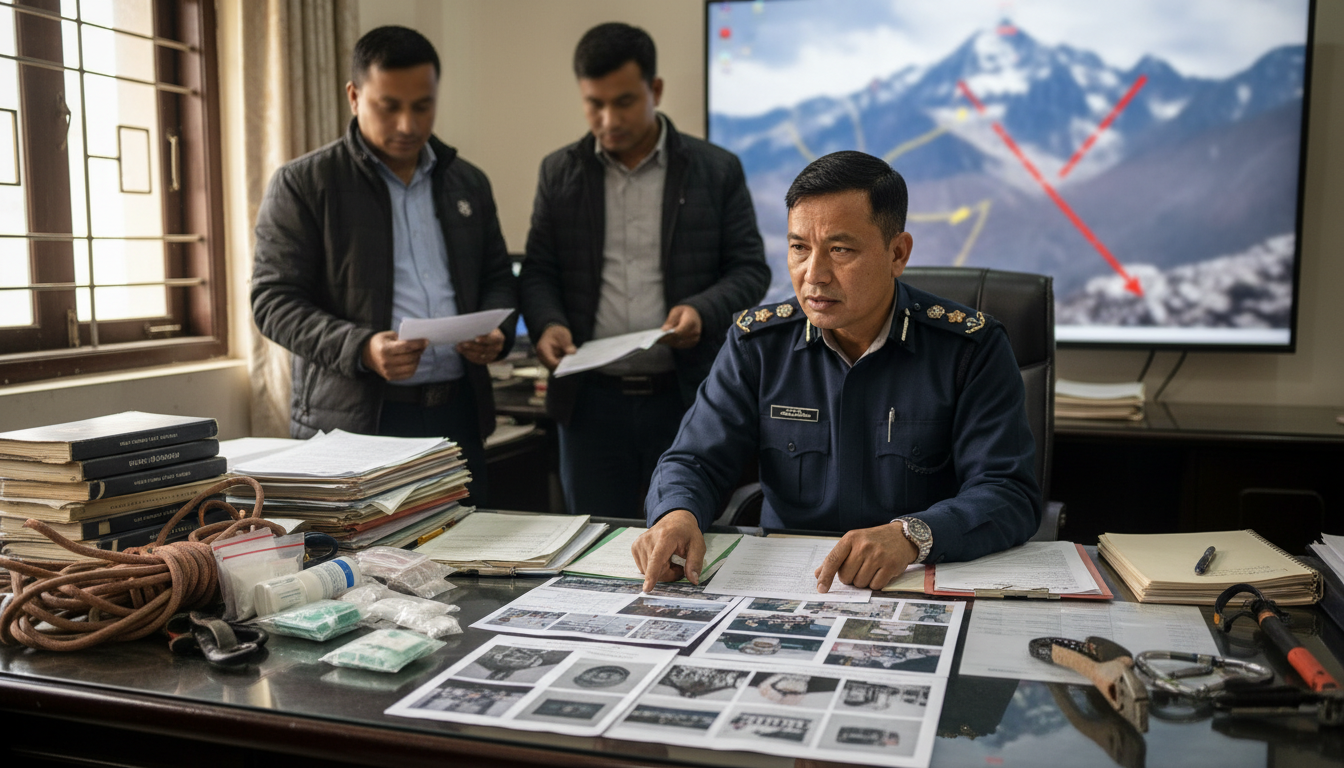
Investigation Uncovers Alleged Nepal Mountaineering Scam Involving Helicopters, Hospitals and Trekking Firms
Allegations of a Nepal mountaineering scam involve helicopter pilots, hospitals and trekking companies; climbers report coerced evacuations and inflated bills.
A newly surfaced investigative report and interviews with multiple climbers paint a picture of an alleged, organized scheme that targeted foreign mountaineers in Nepal, combining medical pressure, transport coercion and extortionate billing. Victims and investigators say the network enlisted helicopter crews, hospital staff and trekking operators to push climbers into unnecessary evacuations or treatments and then charged large sums for services that were either unneeded or overpriced. Authorities have opened inquiries and victims are calling for stronger oversight and clearer safeguards for travelers in the region.
Allegations of an Organized Fraud Network
An investigative file reviewed by reporters details how individuals across sectors allegedly coordinated to extract money from climbers operating in Nepal’s high-altitude regions. The complaint describes agreements between helicopter companies, local clinics and trekking firms to present staged emergencies, manufacture documentation and demand immediate payments. Investigators characterize the network as layered, with payments routed through intermediaries to obscure links between service providers and to deter immediate scrutiny.
Methods Used to Extract Money from Climbers
According to the report and victim statements, common methods included diagnosing climbers with exaggerated or fabricated altitude illnesses, arranging urgent helicopter evacuations and presenting bills that far exceeded market rates. Victims allege some medical personnel pushed unfamiliar or unnecessary medications and required admission to private facilities with high daily fees. In many cases, payments were demanded on the spot in cash or through expedited transfers, leaving climbers with little ability to verify charges or seek independent advice while remote and distressed.
Victims’ Testimonies Describe Medical Coercion
Several climbers recounted being told by guides or clinic staff that they were medically unfit to continue and faced life-threatening risk if they did not accept evacuation immediately. One account described a fainting episode treated as a severe altitude emergency, followed by an urgent helicopter lift and a hospital stay that generated an enormous invoice. Victims say they later obtained second opinions that suggested the initial diagnoses were either exaggerated or could have been managed without expensive interventions.
Role of Helicopters and Trekking Firms
Helicopter operators are accused of facilitating rapid, high-fee evacuations while coordinating logistics with trekking agencies that acted as intermediaries for payment and messaging. The report alleges that some trekking firms steered clients toward particular clinics and pilots in return for kickbacks, creating a closed ecosystem that limited clients’ choices. Operators contacted for comment as part of the inquiry deny complicity in organized fraud, but investigators say financial records and witness statements indicate recurring patterns that merit criminal and regulatory review.
Official Inquiries and Evidence Under Review
Local law enforcement and regulatory bodies have confirmed they are reviewing complaint files, hospital billing records and helicopter manifests tied to the cases outlined in the report. Authorities say the probe aims to determine whether individual actors committed fraud, whether medical malpractice occurred and if any licenses should be suspended or revoked. Prosecutors face practical challenges, including cross-border victims, fragmented record-keeping in remote areas and the need to substantiate intentional wrongdoing rather than negligence.
Industry Repercussions and Calls for Oversight
The allegations have rippled through Nepal’s tourism and mountaineering sectors, prompting industry groups and foreign embassies to call for clearer protocols on emergency evacuations, transparent billing and better consumer protections. Trekking and climbing operators who adhere to licensing and insurance standards worry that the scandal could damage the country’s hard-earned reputation for responsible adventure tourism. Some experts are urging standardized evacuation tariffs, mandatory use of independent medical assessment before costly evacuations and stronger auditing of service-provider relationships.
Mountaineers and travel insurers are now reassessing risk-management practices, while victims pursue reimbursement through a mix of legal complaints and insurer claims. As investigations continue, prospective climbers are being advised to confirm operator credentials, secure comprehensive travel and evacuation insurance, and insist on written estimates before authorizing evacuations or hospital admissions. Accountability measures and transparent billing will be central to restoring confidence among the thousands who travel to Nepal each year for high-altitude expeditions.
