
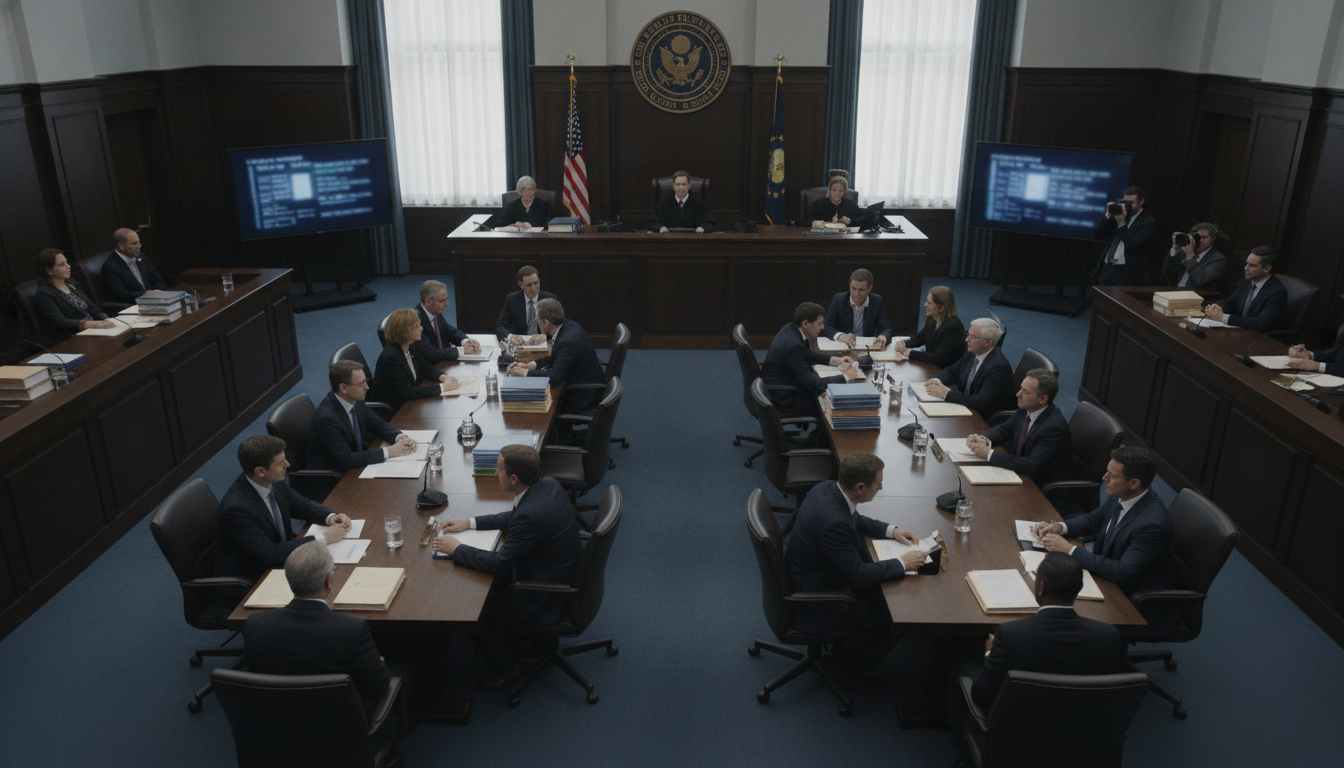
Meta trial opens in Oakland as states seek $193 billion over alleged teen addiction on Facebook and Instagram
Oakland federal Meta trial opens as 29 states seek $193 billion and mandatory safety changes, alleging Facebook and Instagram addicted teens and harmed mental health.
Meta’s federal trial opened in Oakland Tuesday as a coalition of U.S. states pressed claims that Facebook and Instagram addicted teenagers and damaged their mental health. The Meta trial, expected to run about six weeks, puts at issue nearly $193 billion in proposed penalties and demands that the company impose protective defaults for underage users. The case is the first federal courtroom test of broader litigation targeting major social platforms over youth harms and will be decided by U.S. District Judge Yvonne Gonzalez Rogers.
States ask for large penalties and mandatory product changes
The coalition of 29 states, led in this trial by the attorneys general of California, Colorado, Kentucky and New Jersey, presented a damages estimate of roughly $193 billion. Beyond monetary penalties, the states asked the court to require Meta to set the most protective privacy and safety settings by default for minors, including limits on screen time and restrictions on push notifications that users under 18 cannot disable unilaterally. Plaintiffs say those remedies are necessary to curb addictive design features they contend were engineered to maximize engagement among adolescents.
Core allegations against Meta
Prosecutors framed three central allegations: that Meta misled the public about the harms its apps posed to young people; that engineers designed features intended to prolong use, including appearance filters and easily bypassed time-limits; and that the company collected data from children under 13 without proper parental consent, violating federal law. At the heart of the case is an attempt to measure the gap between what Meta allegedly knew about its products and what it told regulators, parents and users.
Key witnesses and advisory jury role
Mark Zuckerberg is listed as a lead witness in the trial, returning to a courtroom context months after his appearance in a high-profile state trial in Los Angeles. The proceeding in Oakland will also hear testimony from former Meta engineer Arturo Bejar, whose internal critiques of platform design have become central to plaintiff arguments. A panel of eight jurors was chosen last week, but their verdict will be advisory; Judge Gonzalez Rogers will make the final legal determinations herself.
Previous state rulings and appeals
Meta enters the federal case after suffering two state-court defeats earlier this year, in Los Angeles and New Mexico, decisions the company has appealed. Those rulings and the federal claims together represent mounting legal pressure across jurisdictions, and the Oakland trial is being watched as a bellwether for how courts may order changes to social apps. Legal scholars say the outcome could shape both corporate compliance and future regulatory approaches to algorithmic design and youth protections.
Industry-wide implications beyond Meta
Although this trial concerns Meta alone, it is the first federal case in a broader wave of litigation that also targets TikTok, Snapchat and YouTube, with families, school districts and states alleging similar harms. Observers note the potential ripple effects if courts order product-level changes or large financial penalties, arguing that other platforms could face analogous claims or might proactively alter default settings for minors. Companies are balancing legal and reputational risks alongside sustained investments in artificial intelligence and new product development.
Positions from both sides
Meta has disputed the allegations and said it plans to show evidence of longstanding efforts to protect young users, telling the court it disagrees strongly with the plaintiffs’ claims. The company cites its user base of roughly 3.6 billion across its apps and frames the case as a threat principally to its reputation and to how it is required to design products. Plaintiffs counter that internal documents and employee testimony will show corporate choices made to prioritize engagement and profit over youth safety.
Public-interest lawyers involved compare the litigation to past corporate accountability battles, arguing prosecutors intend to show deliberate concealment of harms similar to historical cases against tobacco and opioid manufacturers. Experts at Stanford and Berkeley have told the court that the legal question centers on evidence showing what Meta knew internally and whether public statements matched that internal understanding.
The trial in Oakland marks a high-stakes moment for regulators, plaintiffs and Silicon Valley alike, with judges, jurors and legal teams weighing contested technical and ethical claims about social media design and adolescent health. The case will test whether federal courts will impose sweeping remedies that could redefine default settings and data practices for young users across major platforms.
If Judge Gonzalez Rogers orders changes or imposes penalties, the decision is likely to be appealed and could take years to resolve fully. The courtroom fight may ultimately influence legislation, corporate policies and parental choices as the debate over technology, attention and adolescent wellbeing continues to unfold.
