
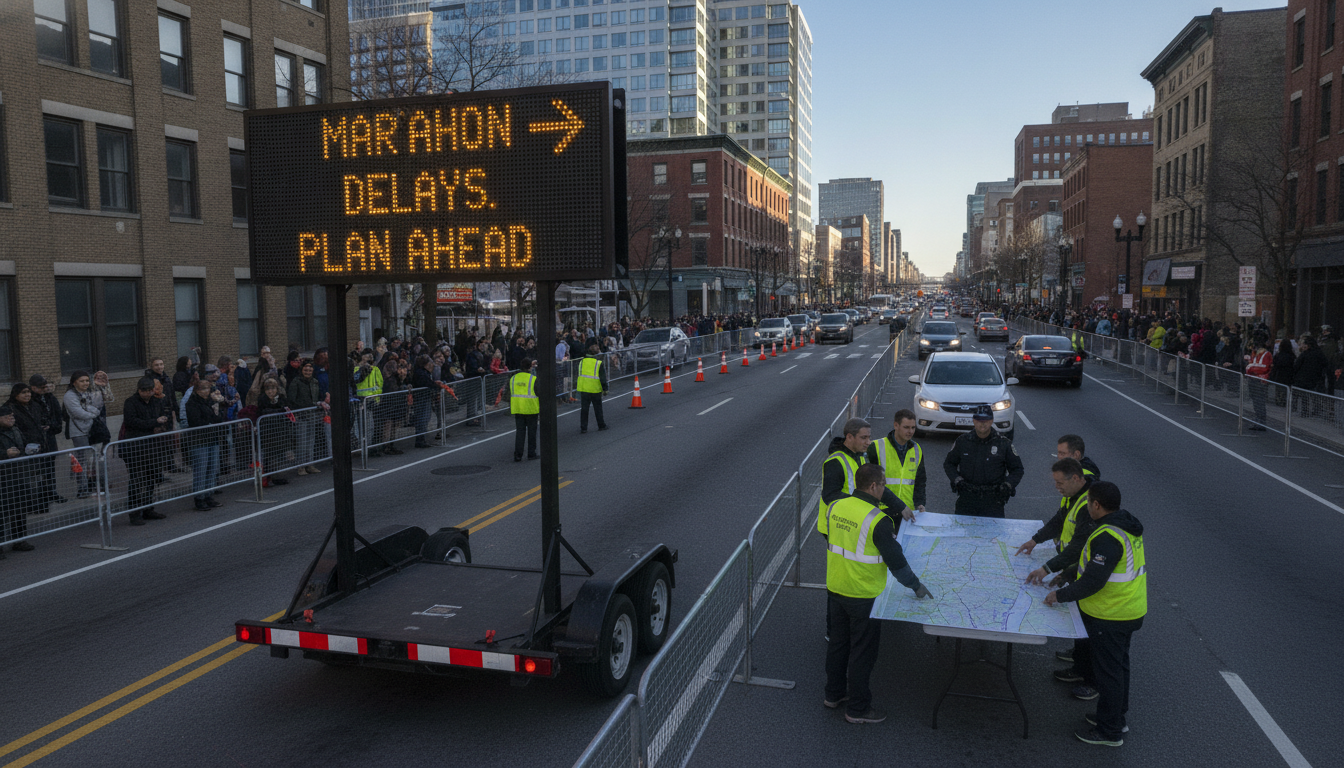
Residents warned to expect delays along marathon route through multiple neighbourhoods
Residents along the marathon route in Cromdale, Virginia Park and Bellevue can access homes but should plan ahead, expect delays and monitor local alerts.
The marathon route will pass through a series of residential streets, affecting access in Cromdale, Virginia Park, Bellevue, Boyle Street, Highlands, Beverly Heights, Rundle Heights, Wîhkwêntôwin, Glenora, Crestwood and Parkview. Event organisers and city officials say residents will still be able to enter and leave their properties, but they should anticipate slower travel and temporary congestion along the route. Neighbourhoods adjacent to the course should plan for intermittent closures of side streets and changing traffic patterns on race day.
Neighbourhoods affected by the marathon route
Residents in the listed neighbourhoods should expect the most pronounced impacts nearest the course, where volunteers and signage will direct traffic. Properties on or immediately adjacent to the route will experience brief disruptions as runners pass and marshals secure intersections. Those living a short walk from the course may see increased pedestrian activity and temporary parking pressures as spectators gather.
Local businesses and community facilities within these areas are likely to operate under modified access conditions as well. Organisers advise checking with individual businesses if you have deliveries or appointments scheduled for the day of the race. Residents who rely on scheduled services should notify providers in advance to avoid missed visits.
Access and egress for residents
City officials and event organisers have confirmed that access to homes will be maintained for residents, emergency services and essential deliveries. However, drivers should be prepared for delays when approaching or leaving properties, and marshals may require brief stops while ensuring runner safety. Residents are encouraged to carry proof of address if they anticipate needing to move vehicles during peak race times.
If you need to drive out during the event, allow significantly more time than usual for short trips and consider leaving earlier in the day. Where possible, coordinate non-urgent travel to avoid the busiest periods, or arrange alternative pickup and drop-off points outside the immediate course area.
Traffic, parking and travel alternatives
Traffic on arterial roads feeding the route will be busier than normal as spectators, volunteers and participants converge on the start and finish zones. Expect temporary parking restrictions near the course and limited short-term parking availability in adjacent streets. Event organisers recommend using designated spectator lots where available and avoiding leaving vehicles in areas that may be needed for emergency access.
Public transit and rideshare services typically adapt routes for major events; riders should check schedules and potential reroutes before travelling. For short neighbourhood trips, walking or cycling may be faster than driving and helps reduce congestion near the route.
Public transit, active transportation and service notices
Transit providers are likely to publish route adjustments and stop relocations to accommodate the marathon route and safety zones. Riders should consult official transit notices and plan additional travel time if transfers or detours are required. Transit and active-transport options often provide the most reliable access when streets are busiest.
Cyclists should be mindful of increased pedestrian volumes and temporary barriers along the course. Secure bike parking where offered, and avoid locking bicycles on the immediate race route to allow for any emergency clearances or post-race cleanup.
Emergency services and essential deliveries
Organisers say emergency services will retain priority access throughout the event and will coordinate with race control to respond to calls without delay. Residents with medical appointments or time-sensitive services should alert providers and, where applicable, bring documentation to facilitate movement if marshals question vehicle movements. Essential deliveries will be accommodated whenever possible, but drivers should expect intermittent stops while marshals manage runner crossings.
If you have mobility challenges or require ambulance access, notify event organisers or the city in advance so special arrangements can be made. Maintaining clear driveways and avoiding impromptu parking on narrow residential streets will help emergency responders and delivery drivers do their jobs efficiently.
How residents can prepare and where to get updates
Plan ahead by confirming appointments and deliveries for another day or earlier in the morning, and allow extra travel time for any trips planned on race day. Sign up for municipal or event alerts, follow social media updates from the city and the race organiser, and watch for temporary signage in your neighbourhood in the days leading up to the event. Keep phone numbers for essential services handy and consider discussing travel plans with household members to reduce last-minute movement.
If you expect to be away during the race, advise neighbours who may need access to your property and secure any items that could obstruct sidewalks or curb lanes. Being proactive will reduce frustration and help the event proceed smoothly while preserving access for residents.
Residents along the marathon route are advised to stay informed, plan for delays and contact event organisers or municipal information lines with specific questions about access, parking or deliveries.
