
Calgary poll crushes momentum for Alberta independence as government orders economic cost study
New Leger poll finds 74% of Calgarians want to remain in Canada, dimming prospects for Alberta independence as the provincial government commissions an economic cost review now.
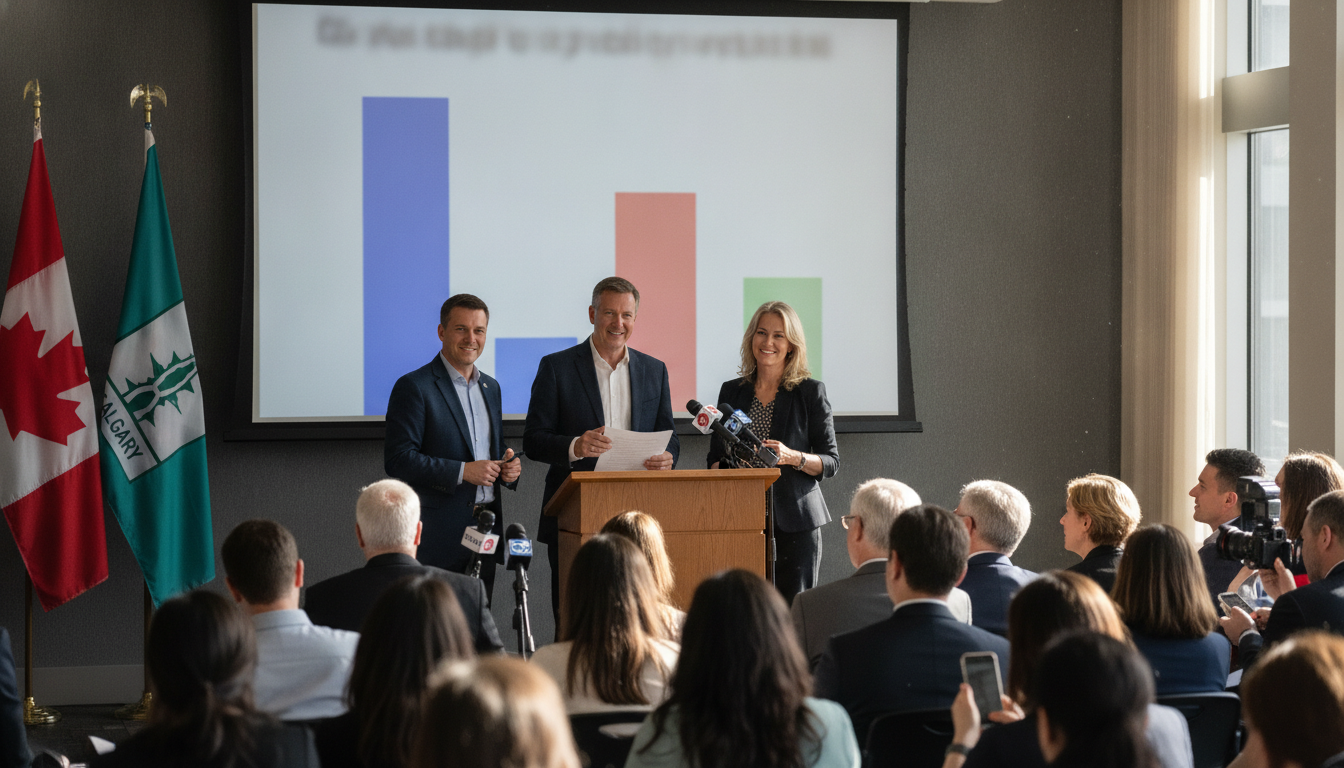
A fresh Leger survey of Calgary residents shows overwhelming support for Albertans to stay in Canada, dealing a setback to the movement for Alberta independence. The poll found 74 per cent of Calgarians oppose efforts by the provincial government to pursue a Yes/No referendum on separation, with 19 per cent favouring such a push and the remainder undecided. The result arrives as the Smith government appoints a panel to examine the fiscal and economic implications of secession, intensifying debate over the movement’s feasibility.
Calgary results underline steep public resistance
The Leger poll targeted voters across Calgary and recorded particularly strong support for remaining in Canada in southeast wards, where support peaked at 81 per cent. Citywide, three in four respondents indicated they do not want the provincial government to take steps toward a formal referendum on Alberta independence. Those numbers contrast with the prominence the issue has received on social media and in political discourse, suggesting online attention has not translated into broad public backing.
Polling source details supplied by Leger point to a sizable gap between vocal separatist advocates and the wider electorate. Political strategists say the movement will need to broaden its appeal beyond engaged online supporters if it hopes to alter public opinion in urban centres like Calgary. For now, the survey signals limited momentum in the province’s largest city.
Mayor Jeromy Farkas wins public backing for speaking out
Calgarians were also asked whether they approve of Mayor Jeromy Farkas publicly opposing separation, and the response favoured the mayor by a large margin. Seventy-one per cent said they strongly or somewhat approve of Farkas speaking out against Alberta independence, while just 13 per cent expressed disapproval. The level of approval underlines the political risk local leaders perceive in heightened separatist rhetoric.
Farkas has warned that uncertainty tied to talks of separation could drive away investment and hurt Calgary’s economy, framing his intervention as municipal stewardship. The poll suggests his stance resonates with voters concerned about stability and the city’s economic future, giving municipal leaders political cover to press for clarity from the provincial and federal level.
Premier Danielle Smith orders an economic reality check
In response to the public debate, Premier Danielle Smith’s government has convened an expert panel to assess the costs of potential separation, tasking the group with producing a detailed analysis. Smith has publicly cautioned against moves that could jeopardize recent economic gains and said she does not want to risk progress with federal partners. The provincial administration’s decision to commission a study signals a shift from rhetoric to a more measured assessment of implications.
Smith previously suggested a large price tag for leaving Confederation, a figure she placed near $400 billion, and the new panel is expected to examine that estimate among other fiscal questions. By placing established economists and former policymakers on the panel, the government aims to ground the conversation in quantifiable analysis rather than partisan speculation.
Experts and appointees named to the panel
Economist Jack Mintz was named to lead the government-appointed review, bringing experience in fiscal policy and Alberta economics to the assignment. The panel also includes figures such as former provincial cabinet minister and academic Ted Morton, whose background in conservative policy circles gives the review credibility across a wide ideological spectrum. The selection of high-profile Alberta voices reflects the government’s interest in producing a study that will be taken seriously within the province.
Observers note that assembling recognized experts can undercut separatist claims that questions about cost and trade-offs are being ignored. The panel’s work will be closely watched by business groups, municipalities and federal officials who have expressed concern about the economic fallout of a separation process.
Separatist movement remains active online but faces uphill climb
Despite a notable presence on social media and in certain public events, separatist organisers have struggled to convert attention into broad-based support, according to poll findings. Commentators say the movement’s appeal has been strongest among highly engaged online demographics, while most Calgarians remain focused on everyday issues such as jobs, housing and municipal services. That divergence helps explain why a high-profile petition drive did not translate into greater referendum support in the Leger results.
Veteran provincial voices who have previously warned about the risks of secession argue that without concrete answers on currency, trade, debt and service delivery, a push for independence will falter. The panel’s forthcoming report is likely to sharpen public debate by laying out practical economic scenarios for the province, which could either deflate or re-energize separatist campaigning depending on its conclusions.
Political stakes and what comes next
The poll and the government’s commissioning of an economic study frame the next phase of the Alberta independence debate as one of facts versus fervour. If the panel’s analysis reinforces high transition costs or substantial disruptions, political support for pursuing a referendum could wane further. Conversely, any analysis that presents manageable short-term costs might energize proponents, although shifting public opinion in Calgary and elsewhere would remain a significant challenge.
For now, the separatist movement faces the twin tasks of answering detailed economic questions and broadening its appeal beyond online platforms. Municipal leaders, business groups and federal actors will be watching the panel’s work closely, and the coming weeks are likely to determine whether Alberta independence remains a niche preoccupation or escalates into a central provincial political issue.
Public sentiment in Calgary, as measured by the latest Leger survey, indicates a pronounced preference to remain in Canada and puts the onus on separatist organisers to present a concrete, persuasive case if they hope to change that view.
