
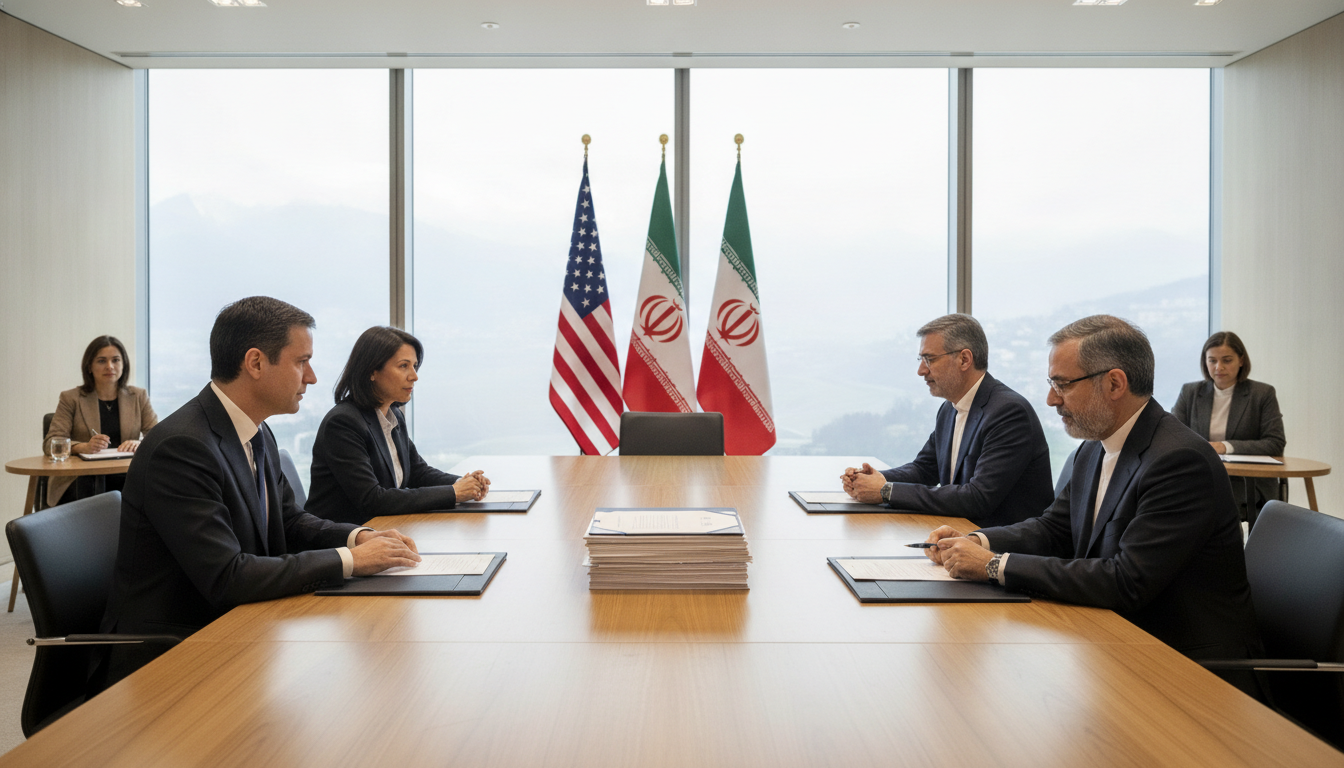
Iran-US talks in Switzerland aim to reinforce Memorandum of Understanding amid unresolved disputes
Iran-US talks in Switzerland on June 21, 2026 aim to reinforce the Memorandum of Understanding framework as diplomats race to resolve remaining disputes.
Iranian and US officials met in Switzerland on June 21, 2026 for high‑stakes Iran‑US talks intended to bolster a Memorandum of Understanding that has guided their recent engagement. The negotiations opened amid intense diplomatic activity, with mediators and envoys working to keep the dialogue on track. While both sides describe the meeting as constructive, key disagreements remain unresolved and will shape whether the framework can be strengthened.
Delegations convene in Geneva-area venue
Delegations from Tehran and Washington assembled at a neutral Swiss site chosen for its history hosting sensitive diplomacy. Officials said the location was selected to provide secure, private conditions conducive to technical and political exchanges. Both sides brought senior political and technical advisers to cover a wide range of issues tied to the existing Memorandum of Understanding.
Purpose of the talks: reinforcing the MOU framework
The primary aim of the Iran‑US talks is to reinforce the Memorandum of Understanding that has underpinned recent contacts between the two governments. Delegates intend to clarify implementation details, establish monitoring mechanisms and agree on steps that could reduce immediate tensions. Strengthening the framework is being presented as a pragmatic way to manage disputes while preventing escalation.
Diplomatic momentum and third‑party facilitation
Intense diplomatic efforts in the run‑up to the meeting helped keep negotiations on schedule, Al Jazeera’s Osama Bin Javaid reported, citing sources close to the talks. Several European and regional interlocutors have been active behind the scenes to shuttle messages and propose confidence‑building measures. Diplomats say that third‑party facilitation has been critical in narrowing technical gaps and enabling face‑to‑face discussions.
Outstanding disputes that remain on the table
Despite the forward movement, officials acknowledged that several significant disputes remain unresolved and will require sustained negotiation. Participants pointed to gaps over verification procedures, timelines for reciprocal actions and the sequencing of any sanctions relief or compliance steps. Those differences are likely to determine whether the MOU will be adjusted, expanded, or left as an interim framework.
Potential outcomes and international ramifications
Analysts say the Iran‑US talks could produce a range of outcomes, from modest technical agreements to a broader package that eases specific pressures on Tehran. A strengthened MOU could reduce immediate risk of confrontation and open channels for negotiating harder issues later. Conversely, a failure to bridge core disagreements could entrench mistrust and prompt parallel diplomatic efforts by other regional and global actors.
Views from capitals and regional partners
Governments in Europe and the Middle East have been closely watching the sessions and urging both sides to find common ground. Some regional states view a successful reinforcement of the MOU as a means to stabilize shipping routes, limit proxy escalation and lower the chance of miscalculation. Washington and Tehran, meanwhile, are managing domestic political expectations as negotiators work to produce negotiable language without preempting final decisions.
The immediate next steps will include follow‑up meetings to address technical annexes and good‑faith timelines for implementation. Delegations agreed to keep lines of communication open and to reconvene if progress is made on the most contentious items. Observers caution that the real test will be whether capitals can translate diplomatic language into verifiable, enforceable actions that both sides accept.
