
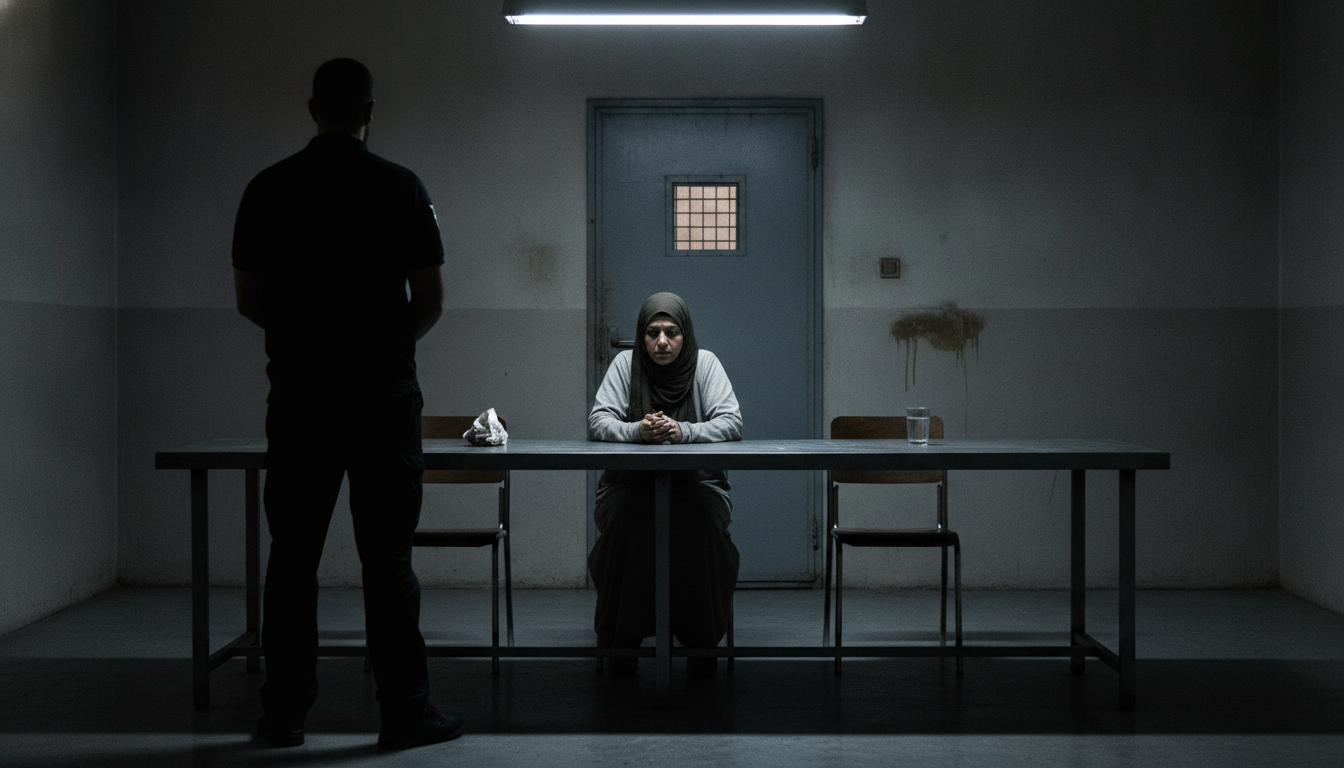
Al Jazeera documentary alleges systematic sexual violence in Israeli detention of Palestinians
Al Jazeera film and survivor testimony allege widespread sexual violence in Israeli detention of Palestinians; rights groups press ICC to investigate.
Documentary surfaces fresh survivor testimonies
Al Jazeera’s recent documentary presents new, detailed accounts from Palestinians who say they were subjected to sexual violence while in Israeli custody. The film compiles first‑hand testimony describing assaults that survivors and rights groups say increased markedly after October 2023. The release has intensified calls from international organisations for independent inquiries into practices inside detention centres and military facilities.
Survivors describe abuses that span the entirety of detention: from arrest and transfer to interrogation and incarceration. Human rights groups say the reports reflect not only singular incidents but recurring methods of humiliation and physical harm. Those patterns have prompted legal experts to urge that investigators consider whether the violence amounts to crimes beyond isolated misconduct.
Allegations extend across arrests, transfers and prisons
Witnesses and documentation detail incidents during home raids, hospital and checkpoint seizures, and military operations, as well as in transit and inside detention facilities. Testimonies recount stripping, blindfolding, beatings, sleep deprivation, targeted genital abuse and sexual assault, along with denial of medical care. Rights organisations say those reports indicate abuse occurs at multiple stages, not solely within formal prison walls.
Leaked footage and survivor statements have been cited as evidence of assaults taking place in military-run camps and in facilities repurposed for mass detentions. Observers note that where multiple points in the custody chain report similar patterns, responsibility is likely shared across different security agencies and command levels.
Scope of detention and demographic details
Israel’s long‑standing detention system has held large numbers of Palestinians since 1967, and rights groups estimate hundreds of thousands have passed through it over decades. Current tallies cited by advocates and media place thousands of Palestinians in detention, including children and individuals held under administrative detention without charge or trial. The influx of detainees from Gaza after October 2023 added substantial numbers to military detention centres.
Those figures are used by legal analysts to frame the allegations as occurring within a broad system of control, rather than as sporadic episodes. The presence of minors among detainees and the large numbers held administratively have heightened scrutiny from international monitors and legal experts.
Pattern evidence and allegations of normalisation
Researchers and journalists point to repeated features across separate accounts — similar methods of abuse, the involvement of military or prison personnel, and written or visual records — as indicators of a systemic problem. Reports of soldiers laughing, filming, and boasting about violent acts are cited as evidence that abuse may have been normalised in some units. Media investigations have identified senior officials and prison service personnel whose roles place them within the chain of command overseeing detention operations.
Rights groups say that when mistreatment is accompanied by public or private celebration, it suggests institutional tolerance rather than isolated misbehavior. Legal commentators note that such evidence can be central to establishing whether wrongdoing was facilitated by command structures.
International law and potential criminal classifications
Under international law, sexual violence can be prosecuted as a war crime when committed in the context of armed conflict, and as a crime against humanity when it is widespread or systematic. Experts caution that, in specific circumstances, sexual violence may also be treated as an act with genocidal intent if it is deployed to destroy a protected group in whole or in part. Past jurisprudence, including landmark rulings in Rwanda and Bosnia, has recognised sexual violence as a tool of group persecution and destruction.
Those legal frameworks inform demands that investigations probe not only individual perpetrators but the broader policies and command responsibility that may have enabled abuses. Prosecutors examining such allegations review whether the acts were isolated criminality or part of coordinated practices tied to wider objectives.
Accountability gaps and calls for independent probes
United Nations commissions and rights organisations have repeatedly criticised the domestic mechanisms for investigating allegations involving security forces, saying structural and procedural obstacles often block meaningful accountability. Observers argue that when national systems fail to investigate and prosecute credibly, it increases the need for independent international scrutiny. Calls for the International Criminal Court to open or widen inquiries have intensified in response to the volume and consistency of allegations.
Advocates insist investigations must extend beyond front‑line perpetrators to include supervisors, facility commanders, and officials responsible for detention policy and oversight. They also stress the importance of access to detention sites, witness protection, and medical documentation to build a forensic and legal record.
The international community faces a test of institutional resolve: whether to pursue comprehensive investigations that scrutinise chains of command and policy decisions as well as individual criminality. Without credible accountability, experts warn, impunity can entrench abusive practices and undermine the deterrent function of international law.
Independent investigators, legal experts, and rights organisations are calling for swift, transparent probes into allegations outlined by survivors and documented in the documentary. They say establishing a clear, evidence‑based record is essential both for any future prosecutions and for the protection of detainees going forward.
Victims’ accounts, the patterns described by rights monitors, and precedent in international law together argue for an inquiry that looks beyond isolated incidents to systemic practices and command responsibility. Only a thorough, impartial investigation can determine whether the abuses amount to war crimes, crimes against humanity, or acts with genocidal intent and ensure accountability for those responsible.
