
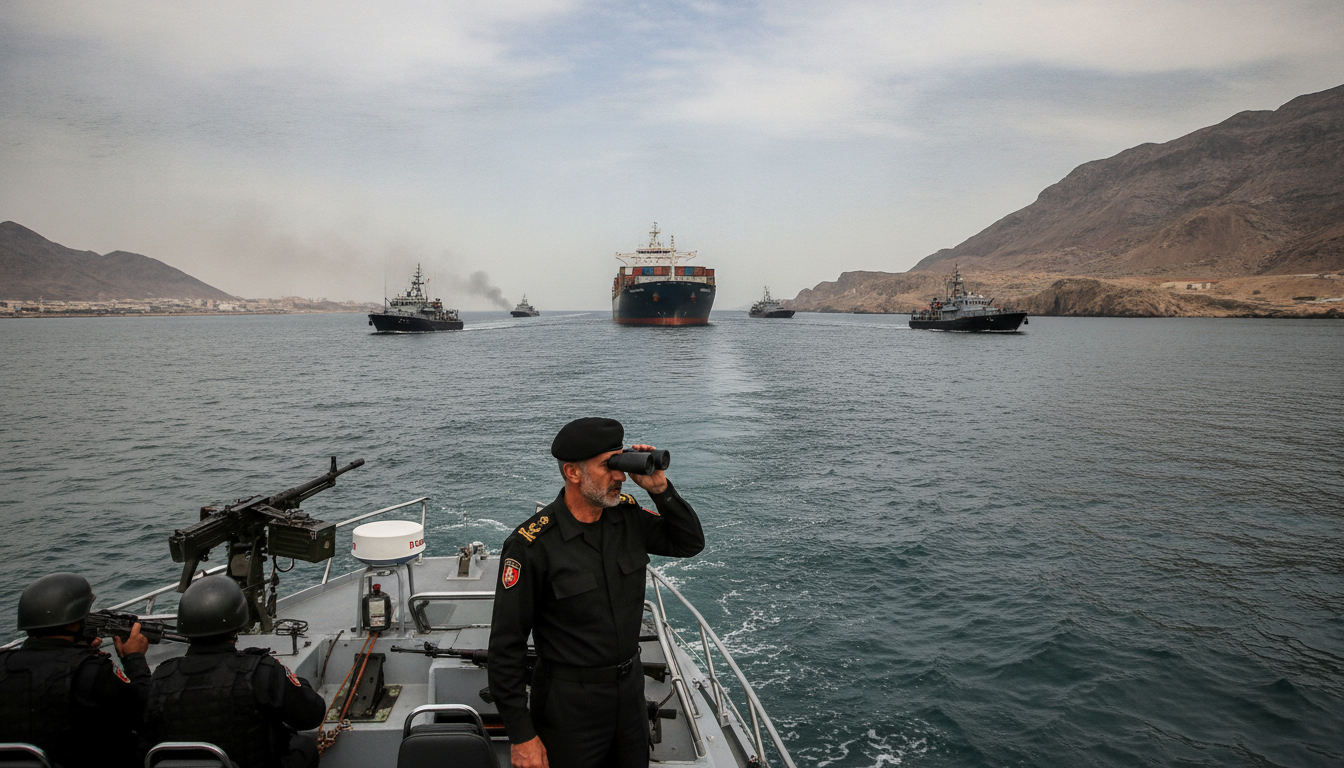
Iran announces closure of the Strait of Hormuz after renewed Israeli strikes on Lebanon
Iran says it has closed the Strait of Hormuz following Israeli attacks on Lebanon, reversing a recent reopening under a U.S.-Iran interim pact and raising fresh concerns about global shipping and energy markets.
Military declaration and immediate effect
Iran’s joint military command announced on Saturday that the Strait of Hormuz was closed in response to continued Israeli strikes on Lebanon, saying vessels attempting to transit would face enforcement action. (apnews.com)
The move comes only days after a tentative U.S.-Iran agreement had allowed ships to begin moving through the channel again, creating confusion for ship operators and traders assessing route options. (investing.com)
Timeline: reopening then reversal
Officials and maritime trackers said the strait had reopened after an interim deal between Washington and Tehran earlier this month, allowing some anchored vessels to resume transits. That reopening, however, appears to have been short-lived as Tehran cited what it described as violations of the ceasefire terms. (investing.com)
The sudden reversal has complicated already fragile negotiations between U.S. and Iranian delegations, who were due to meet in Switzerland as diplomatic efforts sought to solidify a wider halt to hostilities. (apnews.com)
Shipping disruption and navigational hazards
Maritime data and industry groups report that although some ships had begun to move through the strait after the interim deal, large parts of the main central channel remain unsafe and obstructed by wartime hazards, including mines and abandoned vessels. Clearing those threats will be time-consuming and costly. (apnews.com)
Shipowners and insurers have said they need sustained assurances before committing vessels back into the Gulf, leaving many tankers and commercial ships waiting or rerouting long distances around Africa’s Cape of Good Hope, which adds time and expense to global trade. (apnews.com)
Market reaction and economic stakes
Financial markets reacted to renewed uncertainty around the Strait of Hormuz, a chokepoint that in peacetime carries roughly a fifth of the world’s traded oil and large volumes of liquefied natural gas. Analysts warn that any prolonged restriction could tighten supplies and lift prices. (spglobal.com)
Rating agencies and energy forecasters have already adjusted price assumptions and supply scenarios this month in response to earlier disruptions, highlighting how sustained closures or intermittent reopenings can sap inventories and slow economic growth in energy-dependent countries. (spglobal.com)
Diplomacy under pressure in Switzerland talks
Negotiators from the United States and Iran were scheduled to meet to flesh out details of a 60-day ceasefire framework that had aimed to stabilize the region and keep the strait open. Tehran’s announcement Saturday was described by diplomats as a setback that could undermine progress at the talks. (apnews.com)
U.S. officials have said the interim pact was intended to create breathing room for negotiations on nuclear and security issues, and any reported breaches by third parties risk unraveling those fragile arrangements. The diplomatic timetable is now in doubt as both sides weigh whether to press on amid renewed exchanges of fire. (investing.com)
Expert assessments and regional implications
Security and maritime experts warned that even temporary closures of the Strait of Hormuz carry outsized consequences because of the limited number of viable alternative routes and the strategic importance of Gulf producers’ exports. The barriers to rapid normalization include physical hazards, insurance costs and the political willingness of shipowners to re-enter contested waters. (apnews.com)
Analysts also note that actions in Lebanon and responses by regional proxies can quickly ripple across the Gulf, turning localized strikes into wider logistical and economic shocks that are difficult to unwind without a durable political settlement. (ogj.com)
While some commercial transits had restarted after the interim agreement, industry sources say the scale and speed of any return to normal traffic will depend on sustained security guarantees and effective mine- and debris-clearing operations. (apnews.com)
The renewed closure of the Strait of Hormuz underscores how fragile the current pause in hostilities has become and highlights the tight link between battlefield developments in Lebanon and economic pain felt in global energy markets.
