
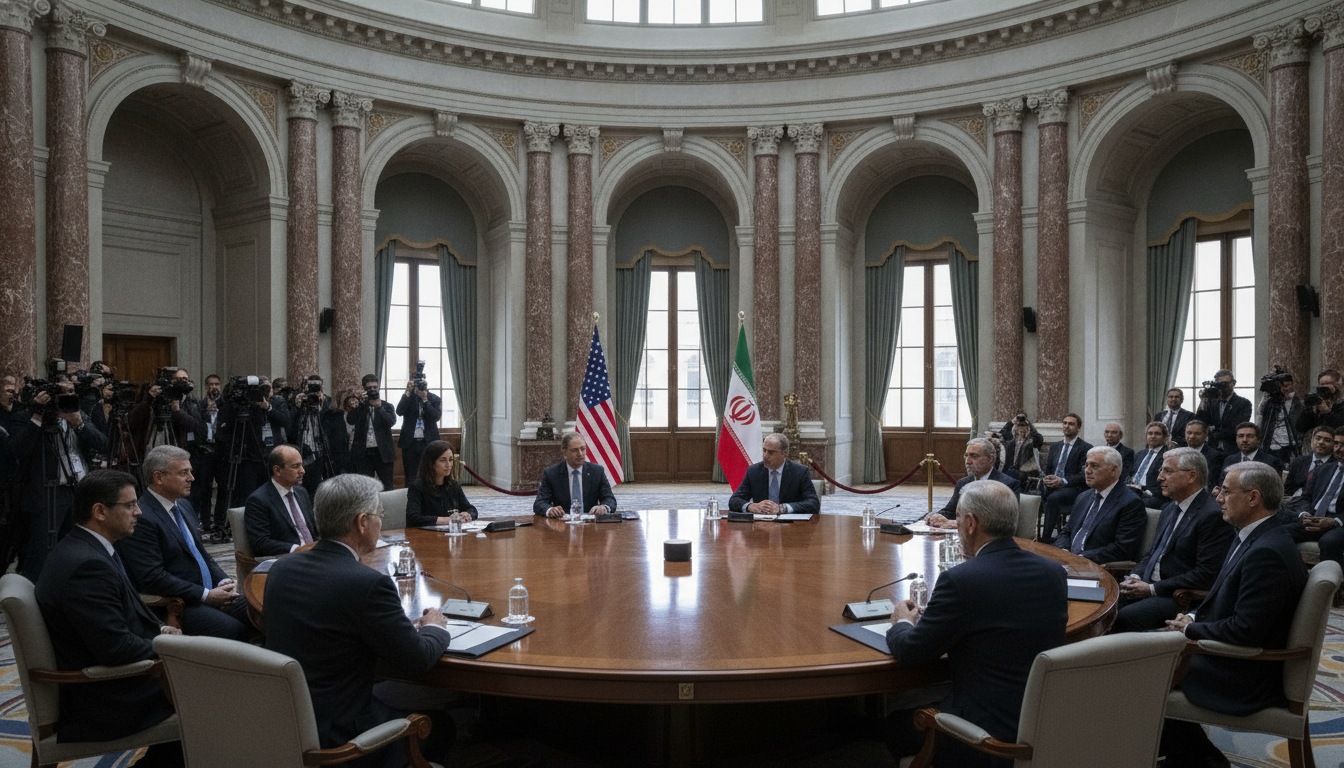
Iran‑US negotiations begin as mediators launch a 60‑day diplomacy process
Mediators announced on June 21, 2026 that Iran‑US negotiations are officially underway, starting a 60‑day process intended to address long‑standing disputes between the two countries.
The talks formally opened on June 21, 2026, with mediators describing the start of a time‑bounded process to tackle core issues between Iran and the United States. Iran‑US negotiations are now entering what officials called a crucial 60‑day window aimed at testing whether both sides can move from rhetoric to sustained diplomacy.
Talks open under tight timetable
Mediators set a 60‑day framework for the negotiations, saying it will guide diplomatic sessions and interim reviews. The compressed timetable is meant to produce measurable progress quickly and determine whether the parties can agree on a path forward.
Officials emphasized that the deadline is flexible only if both sides show substantive movement, but warned that failure to meet milestones could close the window for near‑term breakthroughs. Observers noted that a clear schedule increases pressure on negotiators to prioritize the most actionable items.
Agenda includes longstanding bilateral disputes
The mediators said the process will focus on core bilateral disputes that have strained relations for years, including nuclear concerns, sanctions, and regional security dynamics. While both capitals are expected to press their own priorities, sources indicated negotiators will seek initial agreements on confidence‑building measures.
Statements from intermediaries suggested that the talks will be phased: initial technical discussions to establish verification and communications channels, followed by higher‑level negotiations on broader political arrangements. Neither side has publicly released a complete agenda, and details remain tightly controlled.
Mediators and diplomatic channels
The identity of the mediators was not fully disclosed in the initial announcement, with officials saying neutral facilitators will shuttle between delegations. The use of third‑party intermediaries reflects longstanding diplomatic practice where direct contact has been limited by political constraints.
Diplomatic channels will likely include a mix of multilateral and bilateral meetings, as well as behind‑the‑scenes consultations with regional partners. Mediators will be expected to maintain strict confidentiality to protect fragile negotiations and allow negotiators room to compromise.
Regional and international implications
A successful Iran‑US negotiation would reverberate across the Middle East and beyond, with potential impacts on sanctions, energy markets, and regional security arrangements. Allies and adversaries alike have expressed interest in the outcome, and some governments have offered to support implementation if an agreement is reached.
Conversely, a breakdown in talks could increase tensions and prompt new diplomatic maneuvers by regional actors. The international community will closely watch compliance mechanisms and verification language, which are likely to be central to any enduring settlement.
Historical context and past efforts
These negotiations come after years of fraught relations and intermittent diplomacy dating back to the 2015 nuclear accord and subsequent shifts in U.S. policy. Previous agreements and ruptures have shaped both sides’ negotiating positions and heightened skepticism among certain domestic constituencies.
Analysts say the memory of past negotiations will influence the current process, driving a cautious approach to legal text, timelines and verification measures. That background also means negotiators must balance domestic political pressures with the practicalities of diplomacy.
Next steps and public expectations
Over the coming weeks, mediators plan to convene regular status reports and signal checkpoints for progress within the 60‑day period. Both delegations will likely issue limited public statements after key sessions, but officials warned against reading too much into censored excerpts or staged messaging.
Public expectations remain mixed: some governments and experts have cautiously welcomed the opening of talks, while skeptics contend that long‑standing gaps will be hard to bridge quickly. The 60‑day process will be watched for early indicators of compromise, including mechanisms for verification and enforcement.
The success of the Iran‑US negotiations will depend on whether negotiators can convert a compressed schedule into concrete confidence‑building measures and clear timelines for implementation. Time and close scrutiny will determine whether this latest diplomatic effort marks a turning point or another pause in a long and complex relationship.
