
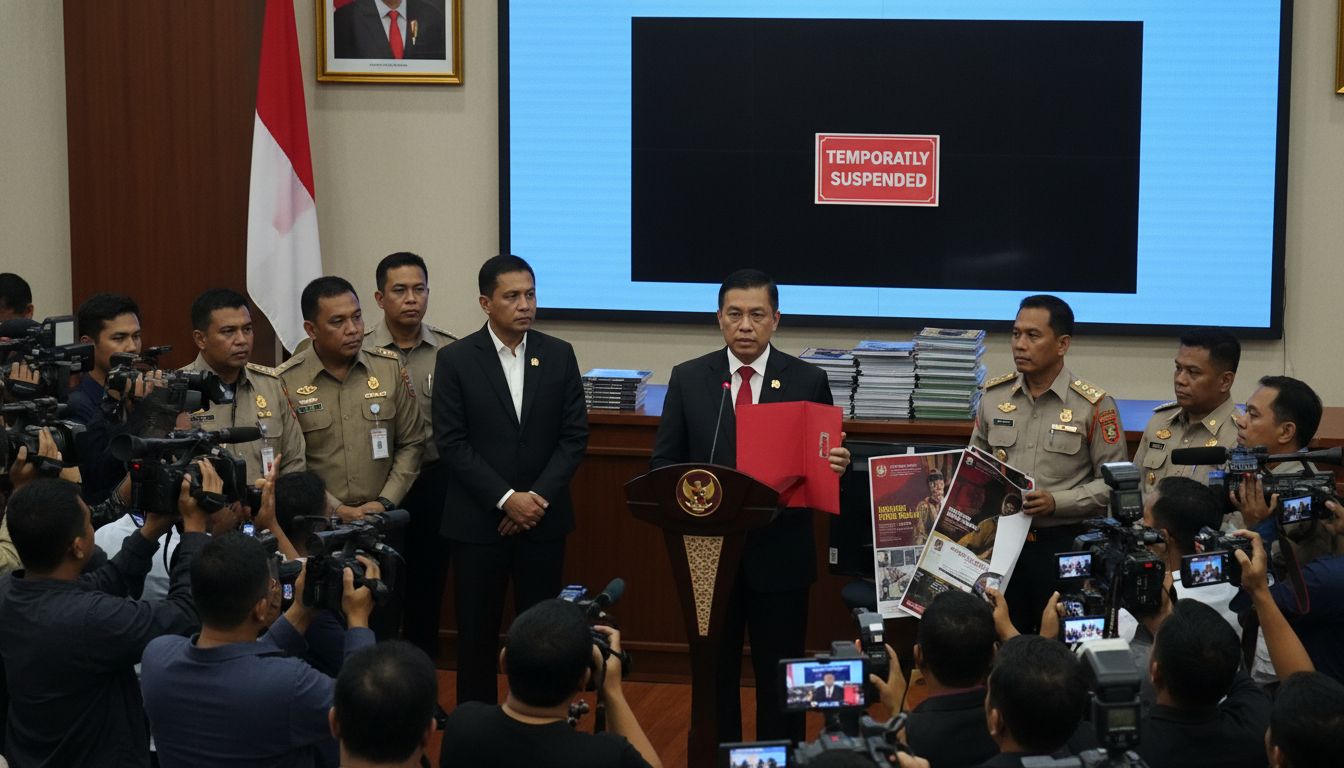
Indonesian authorities halt screenings of new Papua documentary amid rights controversy
Indonesian authorities halted screenings of a new Papua documentary on 27 May 2026, citing regulatory and security concerns over allegations of human rights abuses and Indigenous land seizures.
Indonesian officials moved swiftly on 27 May 2026 to stop several public showings of a newly released Papua documentary that accuses security forces and business interests of human rights violations and land confiscations in the region. The shutdown prompted protests from the film’s producers and drew attention from international media outlets, with broadcasters highlighting both the film’s allegations and the government’s statement that the screenings posed public-order risks. The decision has intensified debate about freedom of expression, access to information, and the plight of Indigenous Papuans in one of Indonesia’s most restive provinces.
Screenings halted by authorities
Local police and government officials ordered the cancellation of multiple scheduled screenings in Indonesian cities, officials said, with some venues receiving formal notices hours before showtime. Authorities justified the closures by citing potential threats to public order and national unity, a common rationale used in sensitive regional cases.
Organizers reported that several community screenings were interrupted mid‑presentation and that some venues were warned they could face administrative penalties if they proceeded. The abrupt nature of the shutdowns left audiences and filmmakers unsettled and sparked immediate social media attention and debates about media access.
Government statement and regulatory grounds
Indonesia’s communication and security agencies pointed to regulatory frameworks that limit dissemination of material deemed to incite unrest or misrepresent official policy, though the agencies did not publicly release full legal documents tied specifically to the film. Officials framed their action as preventative, intended to avert escalation in areas already experiencing tension.
Legal experts say authorities often rely on broad provisions in media and public order laws to restrict content they consider destabilizing, particularly in regions with active separatist sentiments. Critics argue that such measures can suppress legitimate investigative reporting and independent documentary filmmaking.
Filmmaker and media responses
The documentary’s producers accused the state of censorship and said the film presents eyewitness accounts and documentation of alleged abuses and land seizures that merit public scrutiny. They called for transparency and for authorities to allow screenings to proceed with appropriate security measures rather than blanket bans.
International broadcasters and rights groups that covered the story underscored the importance of scrutiny in conflict-affected regions and urged Jakarta to permit open discussion. Some journalists said the shutdowns had the unintended effect of amplifying interest in the documentary and prompting broader inquiries.
Allegations detailed in the film
According to reporting around the release, the documentary compiles testimony from Indigenous Papuans alleging forced displacement, seizure of ancestral lands for mining and plantation projects, and incidents of violence linked to security operations. The film also reportedly includes archival footage and interviews with local leaders and rights advocates.
Indonesian authorities have previously denied systemic abuses, arguing that development projects bring economic benefits and that security operations target armed groups rather than civilians. The documentary’s claims, if substantiated, could add pressure for independent investigations and policy responses.
Impact on Papuan communities and advocacy
Local Indigenous leaders and community organizations said the documentary reflects long‑standing grievances over land rights, environmental degradation, and limited political representation. Many community representatives emphasized a desire for dialogue and legal redress rather than confrontation, calling for clearer land-titling processes and compensation mechanisms.
Human rights organizations warned that restricting discourse may deepen mistrust between communities and the state and could hinder peaceful avenues for resolving disputes. Advocacy groups urged Indonesian authorities to engage directly with Papuan representatives and to allow documentation of grievances to be heard in safe, public forums.
International attention and legal implications
The shutdowns have drawn commentary from foreign media and human rights monitors, who view the episode as emblematic of wider tensions between national security priorities and freedom of expression in Indonesia. Some observers noted that how Jakarta handles the controversy could influence international perceptions ahead of future diplomatic and trade engagements.
Legal analysts say any attempts to pursue criminal charges related to the film’s production or distribution would raise complex questions about journalistic protections and the standard of evidence required to substantiate alleged falsehoods. They also noted that prolonged suppression can fuel international scrutiny and calls for accountability.
The interruption of the Papua documentary’s screenings on 27 May 2026 has reignited debates over information access, Indigenous rights, and the role of the state in regulating public discussion about sensitive regional issues. As authorities, filmmakers and community leaders weigh next steps, observers say transparent inquiry and measured dialogue will be essential to addressing both the film’s allegations and the broader grievances it highlights.
