
Health Canada reviews dual practice model as Ottawa stresses provincial authority
Health Canada is reviewing the dual practice model and potential impacts as Ottawa says it will respect provincial jurisdiction on health-care policy.
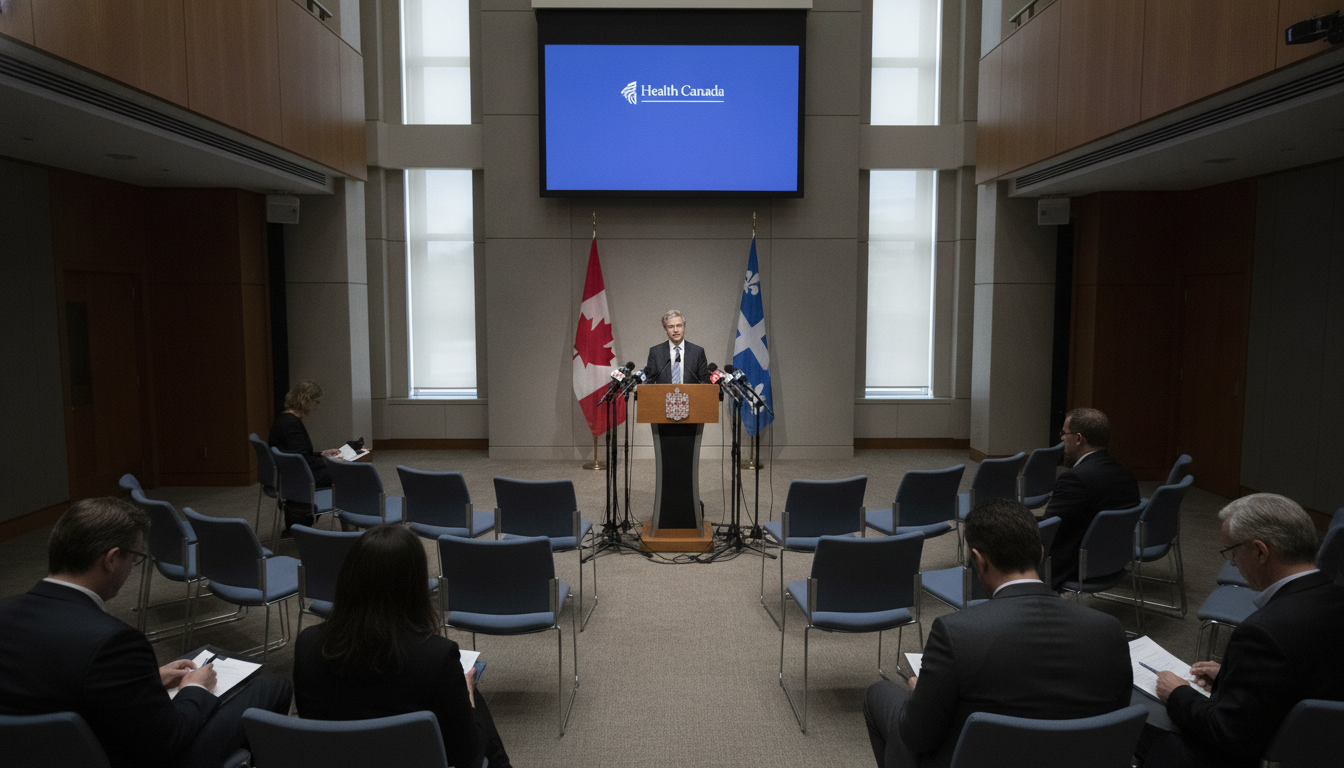
The federal government has opened a regulatory review of the proposed dual practice model, a move confirmed by Alexandre Bergeron, press secretary to federal Health Minister Marjorie Michel. Bergeron told reporters that Health Canada is assessing regulations and potential impacts before any implementation takes place. Ottawa also reiterated that decisions affecting health-care delivery remain primarily within provincial jurisdiction.
Federal review and the minister’s office
Alexandre Bergeron said the review will examine regulatory details and possible consequences of the dual practice model. The statement signals Ottawa’s intent to weigh federal responsibilities without pre-empting provincial authority.
Health Canada’s assessment is described as a pre-implementation step to identify legal, administrative and health-system risks. The ministry will likely consider patient safety, standards of care and how federal rules would interact with provincial systems.
What the dual practice model involves
The term dual practice model generally refers to arrangements where physicians provide services in both publicly funded settings and private or fee-based environments. Proponents say it can expand options for patients and create new delivery channels outside traditional hospital and clinic systems.
Critics caution that dual practice can shift physician incentives toward better-paid private work and potentially undermine equitable access to publicly funded care. The model raises questions about physician scheduling, billing transparency and how services are prioritized across sectors.
Provincial jurisdiction and responses expected
Ottawa’s statement emphasized respect for provincial jurisdiction, reflecting the constitutional division of powers over health-care delivery. Provinces and territories remain the primary administrators of hospitals, physicians and most health programs.
Health ministers at the provincial level will be closely watching the federal review for any regulatory overlap or conditions that could affect local systems. Several provinces have historically resisted federal measures perceived to encroach on their policy space, and they may seek negotiations or formal consultations.
Potential impacts on patients and providers
Health-care stakeholders say the dual practice model could affect wait times, access to specialists and continuity of care. If private options draw physicians away from public clinics, rural and lower-income patients could face longer waits or reduced service availability.
For providers, dual practice may offer greater flexibility and income diversification, but it also presents administrative complexities and potential conflicts of interest. Licensing bodies and professional associations will likely need to clarify rules on scheduling, patient prioritization and disclosure requirements.
Policy and economic considerations
Economists and policy analysts note the fiscal implications of introducing or expanding dual practice arrangements. Costs may shift if public systems subsidize infrastructure or co-locate services with private providers, and payor mixes could complicate budgeting and accountability.
Regulatory design will be central to addressing equity concerns, with options ranging from strict separation of public and private billing to oversight mechanisms that prevent cream-skimming of high-value cases. Any federal regulatory framework must be tailored to avoid unintended incentives that could exacerbate disparities.
Next steps and timeline for decisions
Health Canada’s review is portrayed as an information-gathering and risk-assessment exercise rather than immediate policy change. Officials have not provided a public timeline for when conclusions or recommendations will be released.
Experts expect a process that could include stakeholder consultations, legal analyses and coordination talks with provinces. Depending on findings, Ottawa may propose regulatory guardrails, guidance for provinces, or leave implementation details to provincial authorities.
The federal review marks the beginning of a potentially complex negotiation between Ottawa, provincial governments and health-sector stakeholders over how a dual practice model should operate within Canada’s publicly funded system. The outcome could influence access, funding and professional standards across the country and will be watched closely by patients, physicians and policymakers.
