
Judge rules Trump’s $100,000 H-1B fee an unlawful tax
Federal judge rules President Trump’s $100,000 H-1B fee an unlawful tax, blocking the nationwide policy and curbing a sharp rise in visa costs for employers.
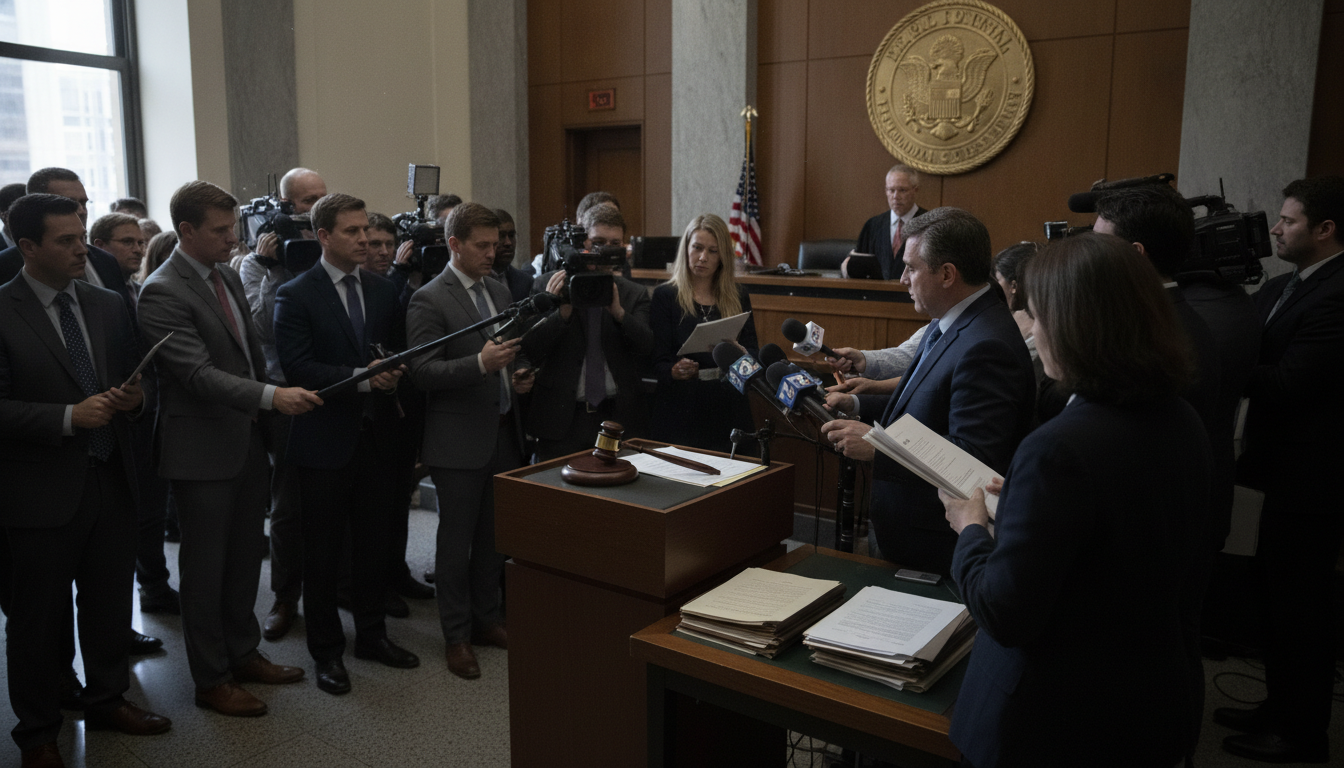
A U.S. federal judge on June 8, 2026, struck down the $100,000 H-1B fee that President Donald Trump imposed on new visas for highly skilled foreign workers, finding the charge to be an unauthorised tax. The ruling, issued by U.S. District Judge Leo Sorokin in Boston, comes in a lawsuit brought by 20 Democratic state attorneys general challenging the administration’s September proclamation that dramatically increased H-1B costs. The decision immediately halted enforcement of the fee and raised questions about how the administration will proceed.
Judge labels payment a tax
Judge Sorokin concluded that the substance and operation of the $100,000 payment amount to a tax, not a penalty, and therefore exceeded presidential authority without congressional approval.
Sorokin wrote that the structure and practical effect of the payment, regardless of its label, matched features of a tax and exceeded powers delegated to the executive branch under federal immigration statutes.
States’ lawsuit and legal basis
The legal challenge was filed by a coalition of 20 Democratic state attorneys general, who argued the fee was unlawful and would harm businesses, universities, and the broader economy.
The states contended the proclamation bypassed Congress’s exclusive power to levy taxes, claiming the fee inflated costs for employers seeking to sponsor H-1B workers and effectively restricted access to the U.S. labor market.
Magnitude of the fee and program context
The H-1B programme typically makes 65,000 regular visas available each year, plus 20,000 additional visas for applicants with advanced U.S. degrees, with individual stays approved for three to six years.
Before the proclamation, employers commonly paid between about $2,000 and $5,000 in filing and compliance fees depending on employer size and petition specifics, a stark contrast with the $100,000 charge that would have reshaped recruiting economics.
Effect on H-1B filings and employer behavior
Court filings and government disclosures indicated the new fee discouraged petitions, with U.S. Citizenship and Immigration Services reporting just 85 payments as of February 15, 2026.
Legal and industry groups argued the deterrent effect was immediate: employers paused hiring plans, universities re-evaluated international recruitment, and some companies shifted strategies to rely more on domestic talent or alternative visa categories.
Administration’s defense and court analysis
The administration defended the proclamation as a lawful tool under immigration statutes to impose monetary penalties intended to limit entry by certain foreign nationals, arguing that the payment was punitive rather than fiscal.
Judge Sorokin rejected that framing after examining how the payment was collected and used, finding the mechanism resembled taxation and that Congress had not granted the president authority to impose such a levy on H-1B applicants.
Possible appeals and next steps
The ruling blocks the fee while the litigation proceeds; the administration is expected to weigh an appeal to the U.S. Court of Appeals for the First Circuit, where lawyers for both sides would argue the scope of executive power over immigration-related charges.
If appealed, the case could move through the federal appellate system quickly given its national implications, and a final resolution could ultimately reach the U.S. Supreme Court depending on appellate outcomes and the legal strategies chosen by the parties.
The court’s decision marks a significant legal check on executive action in immigration finance and preserves the existing H-1B fee framework for now, while leaving uncertainty over whether the administration will pursue alternative policies or legislative routes to change visa costs.
