
Federal Indian Hospitals Support Program launches low-pressure claim sessions nationwide
Federal Indian Hospitals Support Program offers low-pressure claim sessions with trained helpers to explain eligibility and assist with claim forms and supports
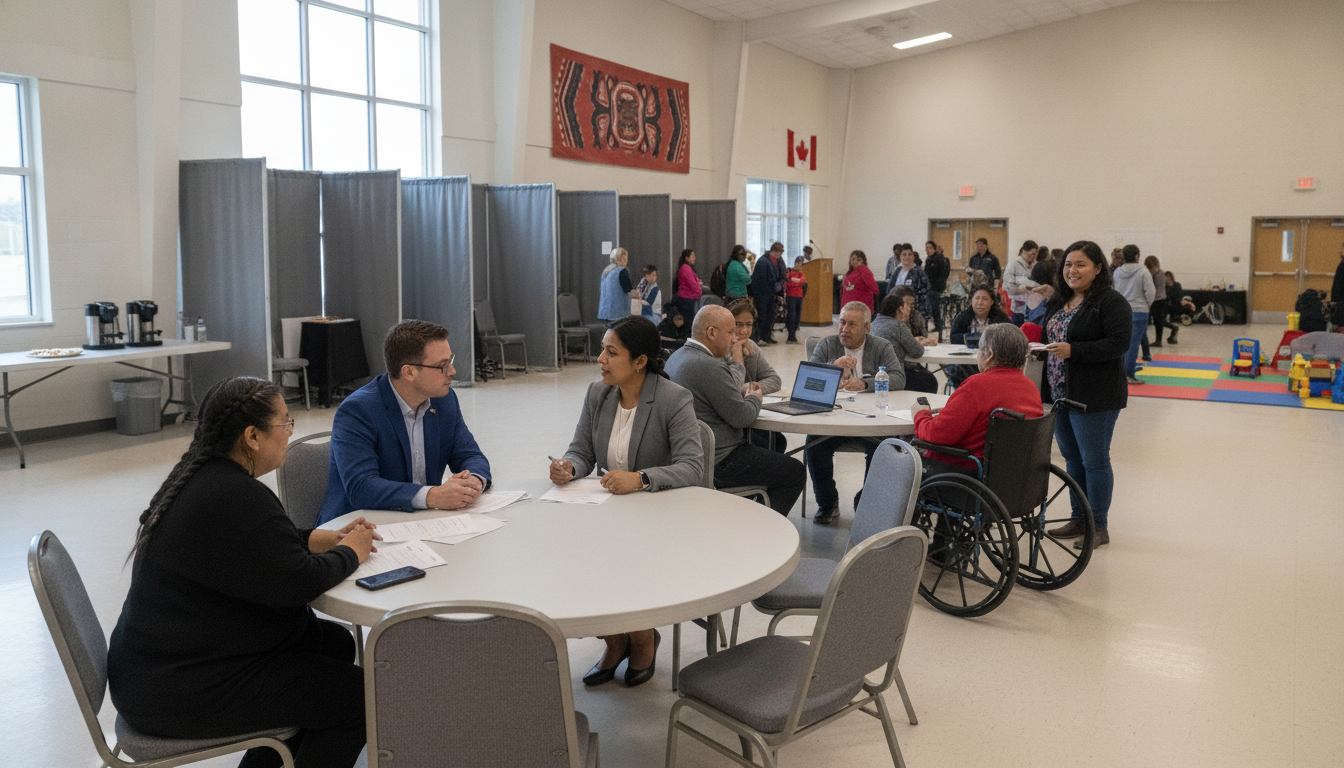
The Federal Indian Hospitals Support Program is rolling out low-pressure claim sessions designed to help people navigate compensation applications, program lead Jill McLean said. The sessions will provide trained claims helpers who can answer questions, review eligibility criteria and assist participants in completing forms. Organizers say wellness and cultural supports will be available on-site to ensure a culturally safe environment for attendees.
Program launches low-pressure claim sessions
The sessions are intended to reduce barriers for those seeking to file claims under the Federal Indian Hospitals Support Program. McLean, the program’s executive lead, described the gatherings as informal and supportive rather than adversarial or legalistic. Organizers emphasize accessibility, with sessions set up to accommodate people at different stages of readiness to apply.
Local organizers are coordinating times and venues that are meant to be familiar to communities, with an eye to minimizing travel and other practical obstacles. The program aims to make the process less intimidating by offering help in settings that participants identify as safe and comfortable.
Trained claims helpers to guide applicants
Each session will include trained claims helpers who can explain steps of the claim process and answer individual questions. These helpers are not legal counsel but are prepared to guide attendees through paperwork and timelines. Their role is to clarify what documentation is required and how to present supporting information clearly.
Program officials say the helpers will provide patient and measured assistance, giving claimants time to consider options without pressure. Where needed, helpers will refer attendees to additional supports or advocacy resources outside the sessions.
Eligibility explained and forms assisted
A central focus of the sessions will be explaining eligibility rules and helping participants complete claim forms accurately. McLean said the approach is to break down eligibility criteria into plain language and to walk applicants through each section of the form. Accurate completion of documents is expected to speed processing and reduce back-and-forth requests for missing information.
Staff will also help claimants gather or identify common supporting materials, such as records, correspondence or witness information. Where records are scarce, helpers will outline alternative evidence options and the steps claimants can take to strengthen their applications.
Wellness and cultural supports available
Organizers plan to have wellness and cultural supports on-site during sessions to address emotional and cultural needs that may arise when discussing past experiences. Program lead Jill McLean noted that the inclusion of supports is intended to create a safer space for people to engage with potentially difficult memories. These offerings may include cultural advisors, counsellors or other community supports depending on location.
Providing cultural safety is being treated as central to the program’s approach, with staff instructed to respect customs and protocols of participating communities. Event coordinators are working with local leaders to determine appropriate supports and to ensure sessions are welcoming.
Community outreach and session locations
The rollout will involve outreach to Indigenous communities to promote session dates and explain what attendees can expect. Organizers are coordinating with local Indigenous organizations, health centres and community leaders to publicize events. Materials and notices will aim for clarity about what help is available and who should attend.
Efforts are being made to offer sessions across multiple regions to reach rural and remote communities. Where in-person access is impractical, program staff say alternative arrangements such as telephone or virtual assistance may be explored to extend reach.
Next steps for claimants and supports available after sessions
After initial assistance, the program provides pathways for claimants to submit completed applications and receive follow-up support as needed. McLean indicated that helpers will remain available to answer questions that arise during review and to assist with any additional documentation requests. The intent is to maintain continuity so applicants do not feel abandoned once they leave a session.
Claimants who need longer-term counselling or case management will be referred to appropriate local services, and program coordinators say they will track demand to adjust resources. Officials encourage people with questions to attend a session or to contact program representatives for information on upcoming dates and locations.
The program’s low-pressure sessions are designed to reduce friction in the claims process and to support survivors seeking recognition and assistance through the Federal Indian Hospitals Support Program.
