
Edmonton birding walks led by Wild Birds Unlimited owner bring neighbours to backyard feeders
Edmonton birding walks led by Wild Birds Unlimited owner Dykstra guide locals through backyard bird-feeding, species ID, migration and community science.
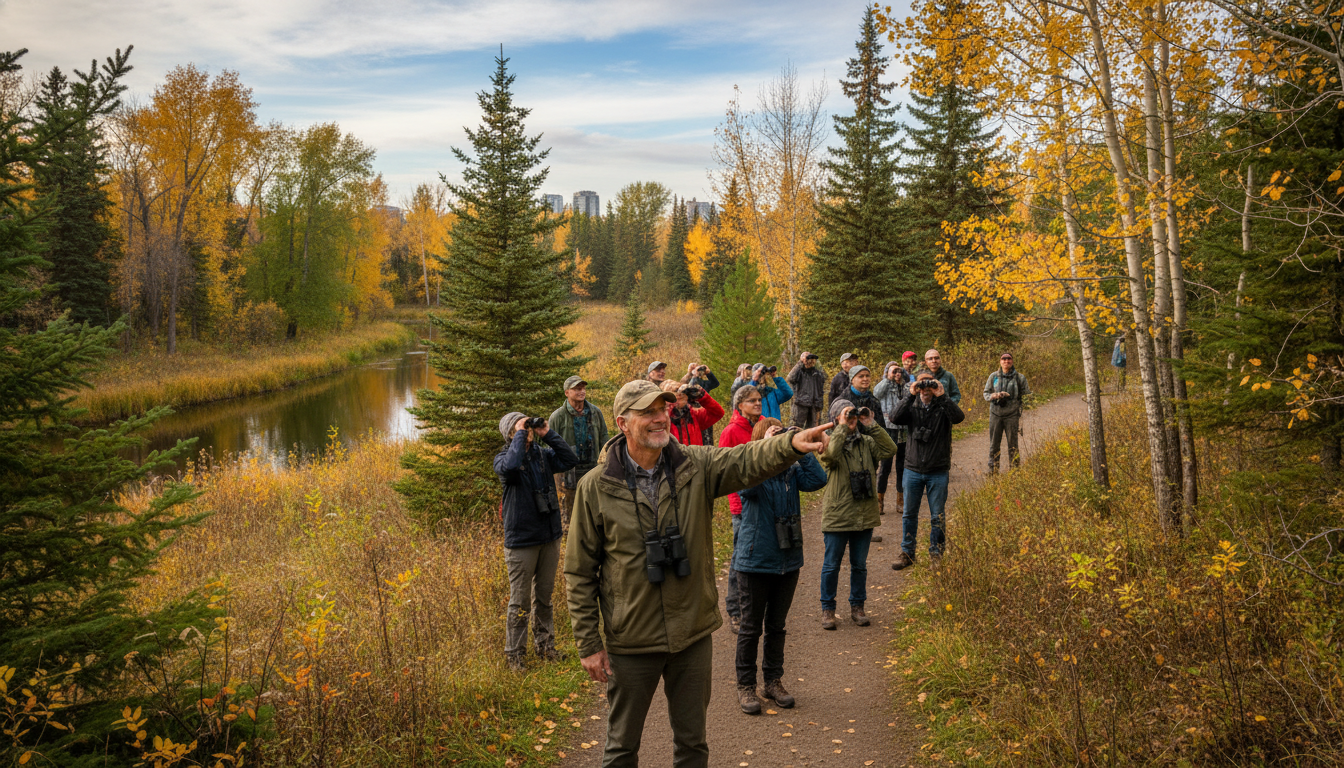
Dykstra, owner and proprietor of the Wild Birds Unlimited store in Edmonton, has become a familiar guide on local neighbourhood trails and backyard circuits. She routinely leads multiple Edmonton birding walks throughout the year, helping residents listen for and identify species. Attendees are taught to tune their ears to the chanting of red-winged blackbirds, the flitting calls of warblers and the high, rolling notes of swallows.
Edmonton birding walks draw neighbours to familiar green spaces
Walks begin at community hubs or directly at participants’ yards and feeders, turning ordinary blocks into classrooms for bird identification. Organizers say the informal format lowers barriers for people who are curious but new to birdwatching. These outings create a practical, social route for neighbours to meet while learning how backyard bird-feeding connects to local wildlife.
People of all ages attend, from families with children to retirees seeking outdoor activity. The gatherings emphasize quiet observation and listening, with Dykstra prompting attendees to pause and scan hedgerows and tree lines. The result is often a longer look at common species and the occasional sighting of migrants passing through.
Wild Birds Unlimited owner leads regular guided outings
As owner of a specialty backyard bird-feeding store, Dykstra brings gear knowledge and species expertise to each walk. She points out field marks, suggests feeder types and explains which seeds and setups attract different birds. Her role blends retail service with community education, framing the store as an access point for local nature engagement.
Participants say the guided walks offer more than identification tips; they also share practical advice on feeder placement, predator awareness and backyard habitat enhancement. That hands-on coaching supports residents who want to make small, wildlife-friendly changes around their homes. The approach keeps the conversations actionable and grounded in local conditions.
Sound identification: red-winged blackbirds, warblers and swallows
A central teaching moment on these walks is sound recognition, which often reveals birds hidden from view. Dykstra encourages listeners to isolate individual calls—such as the rattling chatter of red-winged blackbirds—before matching them to a species. Warblers and swallows, with their rapid movements and brief appearances, are frequently detected first by their distinctive calls.
Learning to identify birds by ear also helps walkers notice subtle shifts in neighbourhood bird communities across the seasons. Sound-based identification is especially useful in dense vegetation where visual confirmation is difficult. For many participants, mastering a few signature songs becomes the most rewarding part of the experience.
Seasonal rhythm guides walk schedules and species encounters
Edmonton birding walks follow the seasonal rhythms of migration and breeding, with spring and early summer offering the most variety. Walk leaders schedule more outings during peak migration to maximize opportunities for spotting transient species. In contrast, late summer and fall sessions focus on fledgling behaviour and the gradual return of less conspicuous residents.
The seasonal structure gives regular attendees a reason to return repeatedly, watching the same green spaces change across weeks and months. It also helps new birders learn when particular species are most likely to appear. That predictability enhances the educational value of each walk.
Backyard bird-feeding’s role in urban biodiversity
Backyard feeders act as focal points for bird activity and community observation, connecting private yards to broader urban ecosystems. When managed responsibly, feeders supplement natural food sources and create safe stopover points for migrating birds. Walk leaders stress that feeders are most effective when combined with native plants and sheltering vegetation.
Participants are encouraged to report sightings and unusual behaviour to community science projects, which in turn help track population trends. Those local observations feed into larger datasets used by conservation groups and researchers. The combination of backyard care and public reporting builds a clearer picture of urban biodiversity.
How newcomers can join or start local birding walks
Anyone interested in Edmonton birding walks can begin by visiting local birding retailers, community bulletin boards or social media groups that list scheduled outings. Newcomers are advised to bring binoculars, wear layered clothing, and practice quiet, patient observation. Walks typically move slowly and cover short distances, making them accessible to a wide range of participants.
Hosts recommend basic etiquette: keep dogs leashed, avoid crowding feeders, and follow any guidance about seasonal nest protection. Those who wish to start their own walk can begin at a neighbourhood feeder or park, invite neighbours, and focus on listening for a few common species. Small, consistent gatherings often become the foundation for lasting community nature programs.
Edmonton birding walks led by experienced local guides like Dykstra are helping neighbours rediscover the birds in their own backyards, turning everyday green spaces into sites of learning and shared stewardship. These outings make birdwatching approachable while contributing local observations that support broader conservation efforts.
