
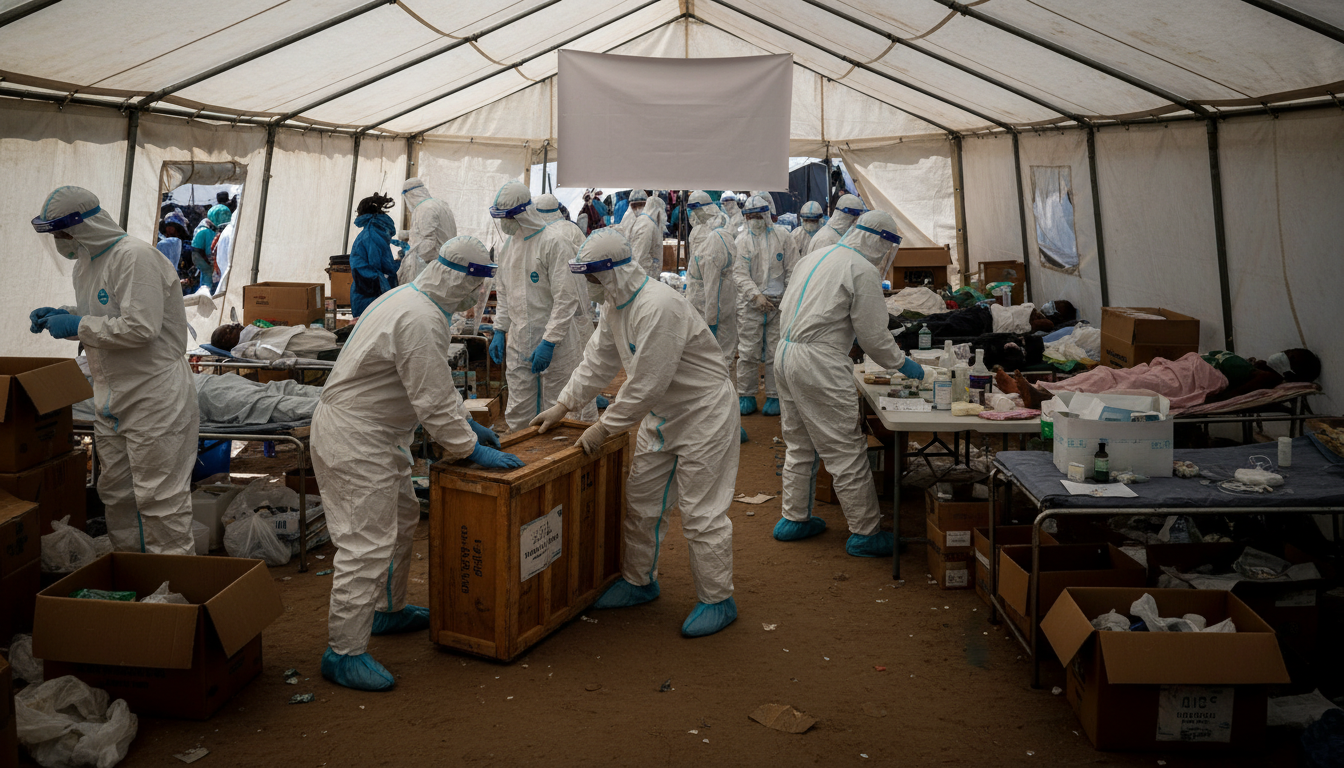
Ebola cases surge in Democratic Republic of Congo as medical workers report critical supply shortages
Ebola cases in the Democratic Republic of Congo have climbed past 500 suspected infections, officials said on May 19, 2026, as medical teams warn of critical shortages of personal protective equipment and testing supplies. Frontline health workers are scrambling to secure gear and to isolate high-risk contacts, while at least one foreign national and several close contacts are being evacuated for treatment abroad. The situation has renewed appeals for rapid international assistance to prevent further spread.
Outbreak Toll Tops 500 Suspected Cases
Health authorities reported that the number of suspected Ebola cases exceeded 500 on May 19, 2026, signaling a sharp escalation in the outbreak. The figure encompasses suspected and probable infections under investigation as surveillance and case finding expand.
Officials cautioned that the count may rise as teams reach remote communities and laboratories process additional samples. Local health services have described the pace of new cases as concerning, particularly where access to care is limited and protective supplies are scarce.
Shortages of Protective Gear Hamper Response
Medical staff say shortages of personal protective equipment — including gowns, masks, gloves and disinfectants — are complicating efforts to contain transmission. Frontline workers reported having to ration gear, delaying some outreach activities and increasing occupational risk.
Experts warn that inadequate protection for health workers undermines case isolation, contact tracing and safe patient transport, all core components of an effective Ebola response. Without rapid resupply, the capacity to safely treat patients and limit spread will remain constrained.
Foreign Patient Evacuated and Contacts Monitored
Authorities confirmed that an American national showing symptoms of Ebola will be evacuated from the affected region and transported to Germany for further care, along with six high-risk contacts. The move reflects efforts to ensure specialized treatment and to reduce the risk of secondary transmission in areas with scarce isolation facilities.
Officials said the evacuation is being conducted under medical supervision and international health protocols, and that monitoring of other contacts in the community continues. Health teams are prioritizing identification and observation of anyone who had close contact with confirmed or suspected cases.
Frontline Workers Face Heightened Infection Risk
Health workers are among the most vulnerable during Ebola outbreaks because of close patient contact and exposure to infectious bodily fluids. Staff shortages driven by illness, fear and logistical hurdles have amplified operational strain in affected clinics and treatment centers.
Training in infection prevention and control is ongoing, but responders note that training cannot substitute for adequate supplies. Where protective equipment is lacking, some outreach and community engagement campaigns have been scaled back to limit exposure until supplies arrive.
Aid Appeals and International Coordination Intensify
Local health authorities and aid organizations have issued urgent appeals for shipments of protective equipment, testing reagents and transportation resources to support case finding and isolation. Rapid delivery of supplies and technical support are being described as essential to slowing transmission.
Public health planners are also urging expanded surveillance, accelerated laboratory capacity and community engagement to encourage early care-seeking. Mobilizing vaccines, where available, and scaling up safe burial practices are being highlighted as priority measures by response teams.
The international response will be closely watched as neighboring countries and global health actors assess risks and assistance needs. Coordinated logistics, secure transport corridors and donor funding will shape how quickly local services can be reinforced.
As the outbreak evolves, experts stress that protecting health workers and ensuring timely diagnosis are crucial to limiting spread. Transparent reporting, timely supplies and community cooperation remain central to an effective containment strategy.
Ebola cases in the Democratic Republic of Congo have entered a critical phase, with supply shortfalls and rising suspected infections testing the resilience of local health systems and the capacity of international partners to respond quickly.
