
Dominican Republic hospital deportations drive steep drop in Haitian hospital births
Dominican Republic hospital deportations push Haitian mothers from clinics, causing a steep fall in hospital births and a rise in risky home deliveries.
The deployment of immigration agents inside public hospitals in the Dominican Republic has driven many Haitian women away from clinical care, producing a nearly 60 percent decline in hospital births and a surge in unsupervised deliveries. Dominican officials say the hospital checks are part of a broader deportation campaign that has removed hundreds of thousands of Haitians since January 2025. Medical workers and advocacy groups warn the policy has produced severe health risks for mothers and newborns.
Hospital checks tied to sharp decline in Haitian births
Public health figures show hospital births among Haitian women fell to 13,856 in the 12 months after agents were stationed at hospitals, down from 32,967 in 2024. Dominican authorities began requiring public hospitals to report undocumented patients to immigration officials in April 2025, a move the government says reduced strain on public services.
Health professionals and patient advocates say the presence of migration agents at clinics has created a powerful deterrent. Women with uncertain legal status now avoid prenatal visits and hospital deliveries for fear of detention and deportation, undermining long-standing efforts to centralize maternity care in hospitals.
Women delivering at home out of fear of deportation
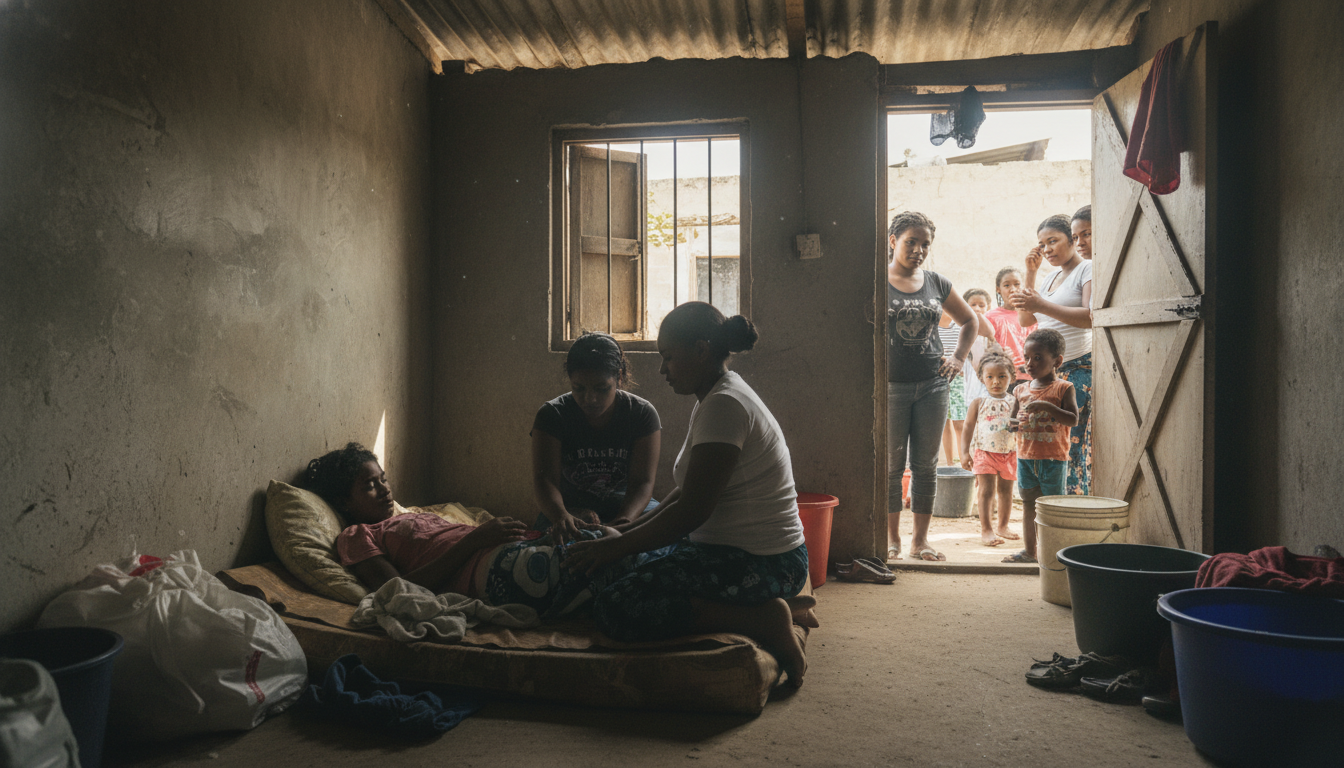
Personal accounts collected from Haitian women living in the Dominican Republic describe deliveries in private rooms, makeshift houses and backrooms rather than hospitals. A 20-year-old woman who had been living in the back of a car repair shop said she gave birth alone on a grease-stained floor and did not seek hospital care because she feared being reported to immigration authorities.
Another woman delivered twins in an unfinished house and later became gravely ill, according to family members. Neighbors pooled money to send her to a private clinic, but she subsequently died from complications that officials attributed to postpartum infection. These cases have been echoed by midwives and community activists across the island, who say fear — not only cost — is the principal reason women avoid hospitals.
Documented deaths underscore medical dangers
Medical professionals describe a range of complications arising from unsupervised births, including hemorrhage, infection and complications from delayed care. A pediatrician who examined an infant born outside a hospital said the newborn showed signs consistent with malnutrition and respiratory distress and urged the mother to seek emergency care, but the child later died at home.
Public health experts warn that using unsterilized instruments to cut umbilical cords and delivering in unsanitary conditions increases the risk of tetanus and sepsis. Maternal deaths from uterine infection and septic shock remain among the leading preventable causes of mortality in childbirth, and clinicians say avoiding hospitals raises the odds that such outcomes will continue or worsen.
Informal midwives step in as demand grows
The increase in home deliveries has revived demand for parteras, traditional midwives who once played a larger role in Dominican maternity care. Community activists and newly practicing midwives report assisting dozens of Haitian women each, often without charging fees or under clandestine arrangements to avoid official scrutiny.
Some informal midwives charge varying fees — small sums for cutting cords to larger amounts for extended care — and operate in secret because of fears of legal repercussions. Activists say the work fills an urgent gap, but they and public health officials caution that informal care cannot fully substitute for skilled obstetric services when complications arise.
Government frames policy as protecting public resources
Dominican authorities defend the hospital reporting policy as necessary to prevent overcrowding and preserve services for citizens and documented residents. The director general of migration has said undocumented migrants are detained only after receiving and paying for care and that detention timelines differ for natural births and C-sections.
Officials also point to broader measures, such as border fencing and weekly deportation quotas, as part of a national strategy to manage a wave of migration from Haiti that intensified amid widespread violence and economic collapse. Supporters of the government’s approach argue it responds to public concern about security and the fiscal cost of irregular migration.
Human rights groups and local advocates issue warnings
International and local human rights organizations have criticized the hospital reporting policy as violating basic protections for pregnant women and children, calling attention to the deportation of breastfeeding mothers and newborns. Domestic advocacy groups representing Dominican-Haitian women describe the practice as an affront to dignity that disproportionately harms a vulnerable population.
Health advocates are urging the government to reconsider measures that block access to care, recommending alternatives that separate immigration enforcement from medical treatment. They emphasize that preventing detention at hospitals could reduce preventable deaths and relieve strains on emergency services by encouraging prenatal care and timely hospital deliveries.
The policy’s immediate consequences are clear in both the statistics and the stories of families who have lost newborns or mothers in recent months. As policymakers weigh immigration controls and public health priorities, medical practitioners and rights advocates say protecting access to maternity care must be integral to any sustainable response.
