
Design Week expands Design Talks into year‑round public program to boost design literacy
Design Week launches expanded Design Talks series to educate the public on design’s value and foster cross-sector collaboration through year‑round programming.
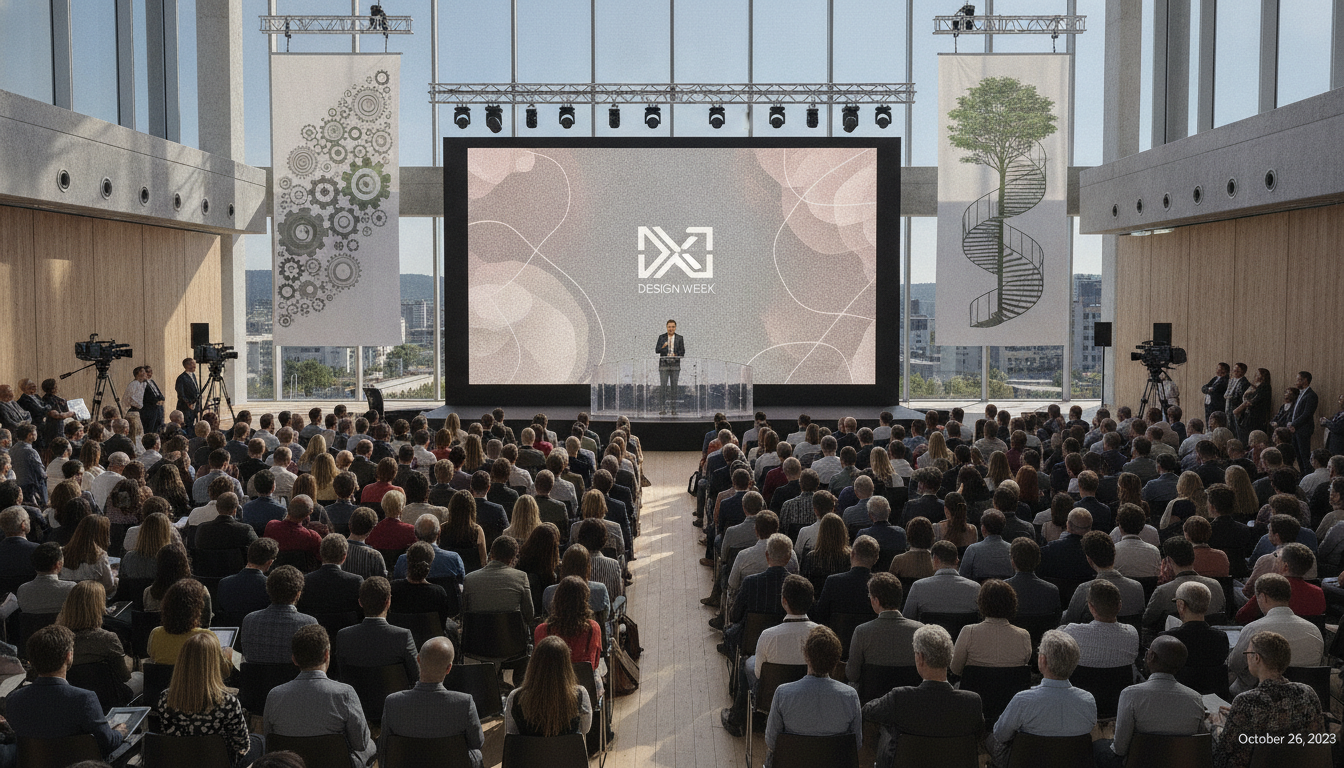
Design Week is expanding its Design Talks initiative into a year‑round program aimed at educating the public about the value and impacts of design while strengthening ties among professionals across disciplines. Shannon Lanigan, co‑founder and director of Design Week, said the move reflects a deliberate focus on public education and on creating opportunities for designers, policymakers and community leaders to exchange ideas. Organizers describe the expanded program as a mix of public lectures, panel discussions and collaborative workshops designed to reach both practitioners and non‑specialist audiences. The announcement underscores a wider effort within the design community to position design thinking as a tool for civic and economic challenges.
Design Week unveils year‑round Design Talks
Lanigan and the Design Week board confirmed the broadened schedule will include monthly talks, seasonal workshops and periodic symposiums intended for a general audience. The series is described as accessible and practical, with sessions framed to demystify design processes and highlight measurable outcomes. Organizers said the format will alternate between in‑person events and streamed sessions to increase reach beyond local attendees. Early programming will feature case studies that demonstrate how design interventions have produced social, environmental or business improvements.
Programming aimed at public education and accessibility
Program leads emphasize that public education is central to the change, not only outreach to the design community. Sessions are being structured to introduce basic design concepts, explain methods such as user research and prototyping, and show how design decisions affect everyday life. Materials and presentations will be tailored for different knowledge levels so non‑specialists can follow technical discussions and apply lessons in community or workplace settings. Translation services, captioning and sliding scale ticketing are planned to lower barriers to participation.
Cross‑sector partnerships broaden scope
A key goal of the expanded Design Talks is to cultivate cross‑sector collaboration between designers and stakeholders in government, health, education and industry. Organizers are pursuing partnerships with post‑secondary institutions, municipal agencies and community groups to co‑curate sessions that address policy and service design. These collaborations aim to bring frontline practitioners into conversation with designers to surface real problems and test design‑led responses. By creating these bridges, the program intends to produce concrete project pipelines in addition to conversations.
Topics to address climate, technology and social equity
Program curators say the slate will deliberately feature topical issues where design can play a catalytic role, including climate adaptation, digital inclusion and equitable public services. Panels will pair designers with subject‑matter experts to explore how design practices can reduce waste, improve accessibility or make technology more responsive to users. The intention is to move beyond abstract theory toward project outcomes such as pilot programs, community toolkits and policy recommendations. Speakers will include practitioners who have led measurable interventions as well as academic researchers who evaluate their impact.
Community engagement and measuring impact
Design Week plans to use participant feedback and outcome metrics to refine the series over time. Attendees will be invited to complete post‑event surveys and to contribute to an online forum where ideas and resources are shared. Organizers also plan to track follow‑on projects that originate from Design Talks conversations, reporting annually on partnerships formed and prototypes developed. This emphasis on evaluation is intended to demonstrate the return on public investment in design literacy and to attract future sponsors and institutional support.
The expanded Design Talks program builds on Design Week’s existing activity and reflects a broader trend in the sector toward public‑facing initiatives that link design expertise with civic priorities. By making design principles more widely understood and by fostering regular cross‑sector interaction, the organizers hope to broaden the profession’s influence on policy, public services and community resilience.
Design Week’s leadership says the program will evolve in response to community needs and that forthcoming announcements will detail the inaugural season, speaker lineup and registration processes. The initiative aims to make design more visible and more useful to a wider audience while creating new pathways for collaboration across disciplines.
