
Cybersecurity Crisis 2026: Major Hacks Expose Government Databases, Utilities and Corporations
Mid-2026 cybersecurity crisis: government databases, critical infrastructure and major companies hit by large-scale hacks, exposing data and disrupting services.
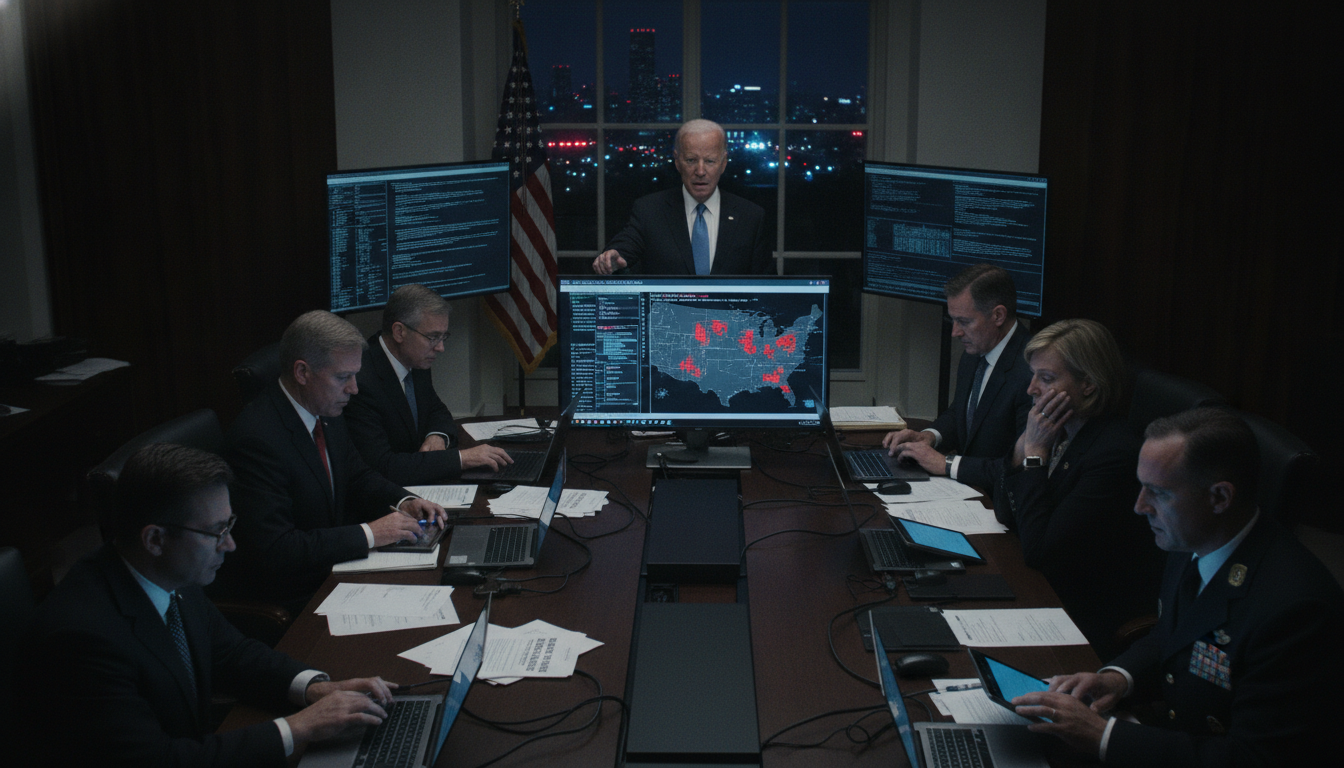
The first half of 2026 has seen cybersecurity move from a background concern to a central national security issue as a string of high-impact breaches struck governments, utilities and major corporations. Incidents range from alleged mass exfiltration of Social Security records to attacks that damaged industrial control systems and crippled corporate operations. The pattern shows increasingly destructive tactics, with adversaries exploiting supply-chain trust, social-engineering and outright sabotage to achieve political and financial objectives.
DOGE’s Alleged Social Security Data Upload Under Scrutiny
Federal investigators and lawmakers are probing claims that operatives tied to a politically backed agency moved a live copy of the Social Security database to an unsecured third-party server. Whistleblower filings and congressional inquiries say the transfer may have included Social Security numbers and associated personal information for a large portion of living Americans.
Officials have acknowledged uncertainty about the full contents of the server and the chain of custody for the data, while civil suits continue to advance in federal court. The potential scale of the exposure has prompted warnings from House leaders who say the incident could rank among the largest government-related data breaches in U.S. history.
European Utilities and Water Systems Targeted in Wave of Attacks
Across Europe this year, hackers have increasingly targeted energy grids, dams and water treatment facilities, raising the prospect of physical harm resulting from cyber intrusions. Incidents affecting power stations and water infrastructure have been linked by analysts to state-sponsored groups using destructive malware and operational disruption tactics.
Security agencies caution that critical infrastructure remains a soft target in many regions because of outdated industrial control systems and inconsistent cybersecurity standards. The trend highlights the growing intersection between kinetic conflict and cyber operations, where attacks on digital systems can translate directly into risks for public safety.
Destructive Iranian Hack Disrupts Stryker’s Operations
In March, a destructive intrusion attributed to an Iranian-linked actor wiped thousands of employee devices at a U.S. medical technology company, halting business operations for days. U.S. authorities publicly attributed the incident to an Iranian government-aligned group, marking a notable shift toward destructive retaliation amid wider regional hostilities.
The disruption had measurable financial effects on the company’s quarterly results and underscored a broader change in tactics by some state actors who have expanded beyond espionage into sabotage. Cybersecurity observers say such attacks aim to degrade corporate resilience and increase the economic cost of geopolitical conflicts.
ShinyHunters’ Campaigns Disrupt Education and Consumer Services
Extortion-focused groups continued to deploy social-engineering and voice-phishing techniques to gain access to enterprise systems, hitting education platforms and consumer service providers. One gang’s breach of a major learning management system exposed personal records and disrupted student access during critical exam periods.
Targets have included internet providers and retail service firms, with millions of records claimed stolen in several incidents this year. Companies hit by these campaigns have faced difficult choices over ransom demands and public disclosure, while law enforcement agencies have urged firms to prioritize incident response and data protection measures.
Supply-Chain Compromises Hit Open Source Tools and Tech Firms
Attackers have increasingly abused the open source ecosystem to insert malware into widely used developer tools, enabling far-reaching downstream compromises. Security researchers identified backdoors and malicious updates that harvested credentials and tokens from developer machines, giving adversaries a foothold into larger technology firms.
Those stolen credentials were then leveraged to access code repositories, cloud services and customer data at high-profile companies, illustrating how a single compromised package can cascade across the industry. The incidents have renewed calls for stronger supply-chain security practices, including code-signing, dependency verification and more rigorous vendor vetting.
FBI Surveillance Breach and Corporate Downtime Expose Oversight Gaps
A declared “major cyber incident” at a federal law enforcement agency revealed that an unclassified surveillance network storing target phone numbers and intercept metadata had been compromised. The disclosure, made to Congress, raised concerns about demonstrable harm to national security and privacy protections for investigations in progress.
At the same time, prolonged outages at a century-old consumer goods company showed how ransomware and other intrusions can stall commerce and force delayed financial reporting. Together, these events have prompted renewed scrutiny of both government and corporate preparatory measures, including contingency planning and public-sector coordination.
The cumulative effect of these breaches has been to widen public awareness of how digital vulnerabilities can translate into real-world consequences for safety, privacy and economic stability. Experts say mitigation will require sustained investment in cyber hygiene, stronger regulatory standards for critical sectors, and better international cooperation to deter state and criminal actors.
Emerging remedies focus on improving identity and credential protections, hardening industrial control systems, and tightening the software supply chain to reduce single-point failures. But analysts caution that without systemic changes and consistent enforcement, the pattern of high-impact incidents is likely to continue through the rest of 2026 and beyond.
