
Why Cubans Are Migrating to Guyana: Oil Boom, Visa Rules and Escaping Hardship
Thousands of Cubans are migrating to Guyana amid food shortages and power outages at home, drawn by visa-free travel and oil-driven jobs but facing legal uncertainty.
Surge of arrivals in Georgetown
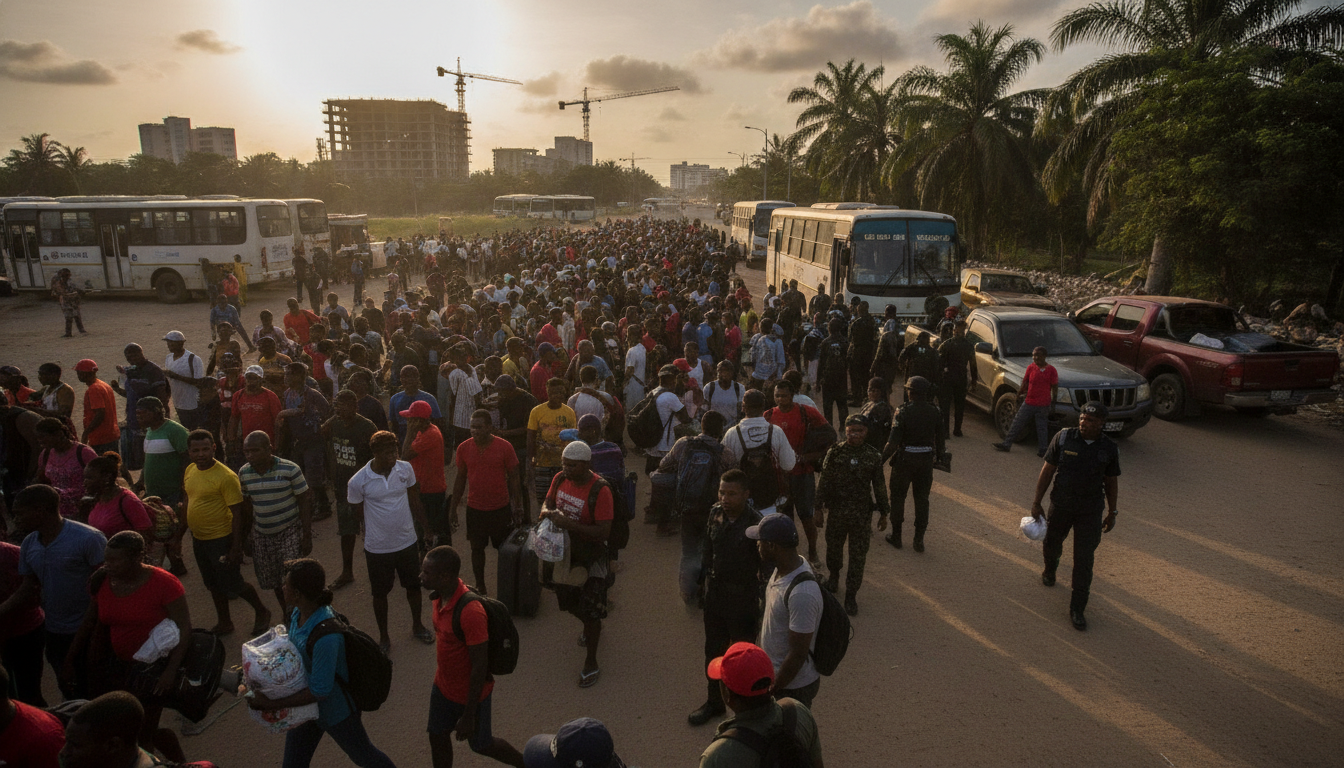
Every day at Georgetown’s arrival points, groups of Cuban nationals are visibly arriving with luggage and children in tow. The flux is notable for a country that a few years ago was one of the hemisphere’s poorest but now hosts an expanding, informal migrant population. Many new arrivals say they were motivated by immediate needs at home and by social media accounts that make Guyana seem accessible and full of opportunity.
Visa-free travel and migration routes
One practical pull factor is that Cubans can fly to Guyana without securing a visa in advance, making it one of the few accessible international destinations for many families. That ease of travel has encouraged people to book flights, often after seeing videos and posts from earlier migrants who document their arrivals and work searches. Facilitators and small businesses have emerged to help arrange travel, increasing the flow and the visibility of the migration route.
Conditions pushing people to leave Cuba
Migrants describe deteriorating living conditions in Cuba, including widespread food shortages and recurring multi-day power blackouts that affect daily life and business. These hardships, coupled with shrinking economic opportunities at home, have pushed families to consider relocation as a survival strategy. For many, the decision to leave reflects accumulated strain rather than a single event, and the calculus often weighs immediate safety and access to food and work over long-term planning.
Guyana’s oil boom and labor demand
The discovery of significant offshore oil reserves in recent years has transformed Guyana’s economy and created intense demand for labor in construction, security, and service roles. That boom has produced high-profile growth figures and visible infrastructure projects, which in turn attract workers from across the region. Employers and local businesses increasingly rely on migrant labor to fill gaps, especially in sectors where domestic supply of workers has not kept pace with rapid development.
Work realities and informal employment
Despite the demand for labor, many Cuban migrants find work that is inconsistent and low-paid, often in the informal market where protections are limited. Daily scenes of migrants lining up in the streets to solicit day jobs have become common, and employment can vary from short-term construction tasks to cleaning and security positions. Without formal work authorization or registration, access to steady employment, health services, and housing is often precarious, leaving families in a state of limbo.
Strain on services and registration efforts
Local authorities have set up systems to register migrant workers and regulate employment, but officials acknowledge the challenge of processing large numbers quickly and comprehensively. Government agencies and community organizations face pressure to provide shelter, healthcare, and schooling while monitoring labor conditions tied to the oil-driven expansion. Observers say Guyana’s public services and civic infrastructure have not fully adjusted to the sudden demographic changes, creating tensions and service shortfalls in some neighborhoods.
Stories from migrants on the ground
Personal accounts illustrate the trade-offs many migrants make. Some families arrive with modest savings and the hope of steady wages; others are searching for basic stability after months of hardship. Social media influencers from the migrant community have emerged as informal guides, sharing tips about jobs, housing and daily life, and sometimes earning income by helping new arrivals navigate the city. Still, new parents and older migrants alike report moments of doubt about whether relocation was the right choice, given uncertainty about legal status and future prospects.
Business and community responses
Private-sector actors have adapted quickly, employing migrants in roles that support construction sites, retail and security services, while community groups step in to offer language help, temporary housing and job referrals. Some employers depend on the flexible labor pool to meet project timelines tied to oil and infrastructure investments. At the same time, civic leaders and service providers warn that without coordinated planning, rapid growth in migrant numbers can exacerbate social strains and deepen vulnerabilities.
The coming months will test whether Guyana’s institutions, employers and civil society can integrate a rapidly growing migrant population while protecting workers and preserving access to essential services. As families weigh the risks and potential upsides of a new life in an oil-rich but still-developing country, the humanitarian, economic and policy questions raised by this migration will demand steady attention and practical responses.
