
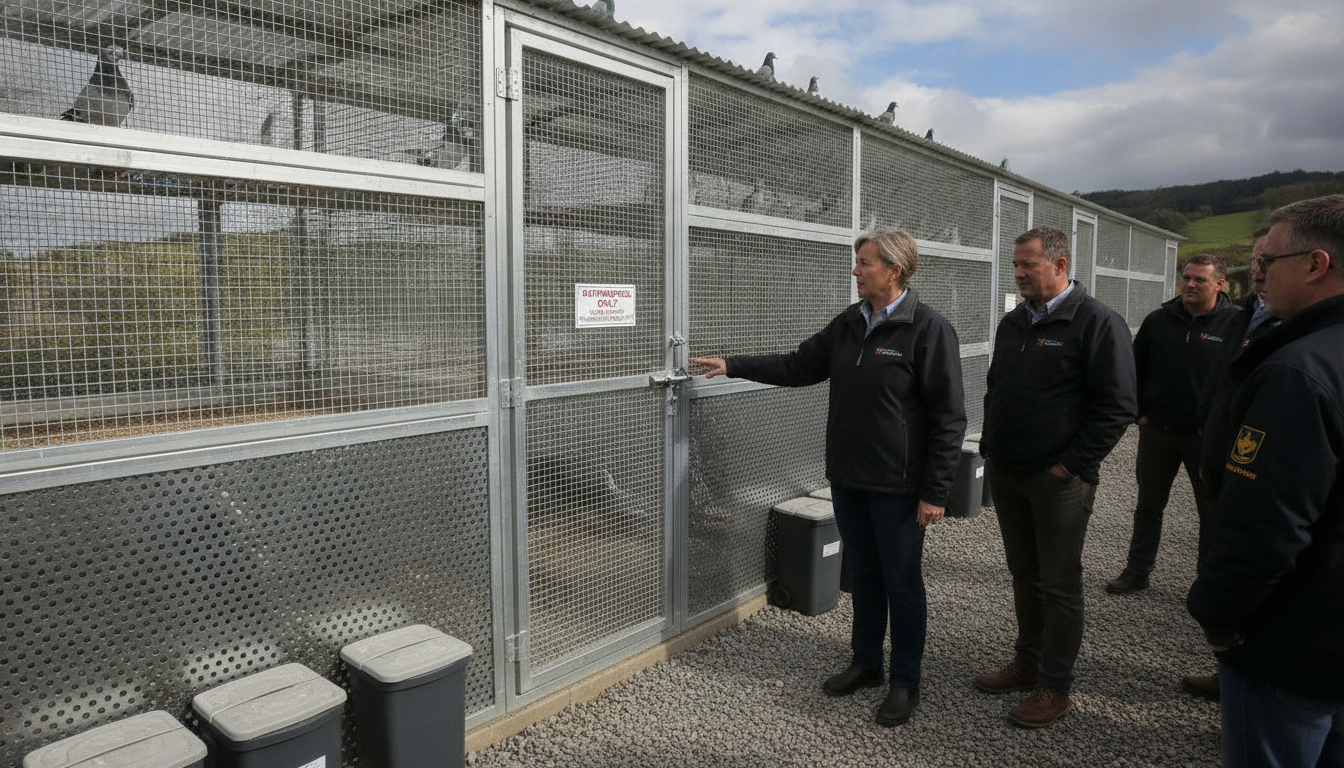
Pigeon lofts must allow keeper access and be predator-proof, CCRPA says
CCRPA guidance: pigeon lofts must allow keeper access, be predator-proof against weasels, foxes and cats, and meet sanitation and welfare standards for racers.
The Capital City Racing Pigeon Association has issued clear guidance for pigeon lofts, saying structures must provide sufficient room for keepers to enter and care for birds while being secured against predators. The CCRPA emphasized that access is essential for feeding, cleaning and handling, and that lofts are frequent targets for weasels, foxes, cats and other opportunistic hunters. The association framed the recommendations as measures to protect bird welfare and preserve racing stock across the region.
CCRPA Issues Guidance for Pigeon Loft Construction
The CCRPA circulated detailed recommendations to local pigeon fanciers and clubs aimed at improving standards across the sport. The guidance focuses on practical design elements and routine practices that clubs say reduce losses and illness among racing pigeons. Officials said the guidance reflects years of experience and incident reports from pigeon keepers in urban and rural settings.
Space and access requirements for keepers
The association’s guidance specifies that a pigeon loft should allow the keeper to enter comfortably to feed and clean without disturbing birds unduly. Clear access routes and doorways sized to permit routine maintenance are recommended to reduce stress during handling and inspections. The CCRPA noted that cramped or awkward layouts complicate daily care tasks and increase risk of injury to both birds and keepers.
Predator-proofing against weasels, foxes and cats
Predator proofing is a central element of the guidance, the association said, because lofts are attractive targets for a range of predators. Recommended measures include reinforced mesh with small apertures, secure latches, and buried barriers to prevent digging predators from gaining access beneath the structure. The CCRPA also advised night closures, motion-activated lighting and regular inspections of fences and entry points to identify weak spots before they are exploited.
Materials and ventilation recommendations
The CCRPA advised materials selection that balances security with ventilation and light, both of which are important for bird health. Durable, rust-resistant mesh and treated timber were cited as preferred options where budgets permit, and the guidance stresses that airflow should prevent dampness without exposing birds to drafts. Proper ventilation combined with secure construction helps lower disease risk and supports feather condition.
Sanitation, feeding and handling protocols
Alongside structural advice, the guidance outlines sanitation protocols for feeders, waterers and droppings management to limit pathogen spread. The association recommends designs that allow safe, separate handling areas where birds can be examined or treated with minimal contact with general loft space. Regular cleaning schedules, easy-to-disinfect surfaces and accessible waste removal points were highlighted as practical steps that keepers can implement immediately.
Welfare and racing implications of loft design
The CCRPA framed loft standards as directly tied to bird welfare and competitive performance, noting that stressed or diseased birds underperform in races. Proper handling access and predator prevention reduce losses and help maintain consistent training schedules for racing pigeons. The association said investments in better lofts can lower long-term costs by reducing veterinary bills and replacement needs.
Club support and municipal considerations
Local racing clubs are being urged to share the CCRPA guidance widely and to assist novice keepers with practical upgrades and workshops. The association also recommended that keepers check municipal bylaws to ensure loft placements and alterations comply with local regulations. Clubs will act as points of contact for members seeking technical help, and the CCRPA said it plans to offer demonstrations on predator-proofing and sanitation techniques.
The CCRPA guidance is intended as a practical resource to help pigeon keepers protect their flocks and improve bird welfare through better loft design and daily care. Adopting the recommended access, predator-proofing and sanitation measures can reduce losses, limit disease spread and support the long-term sustainability of racing pigeon communities.
