
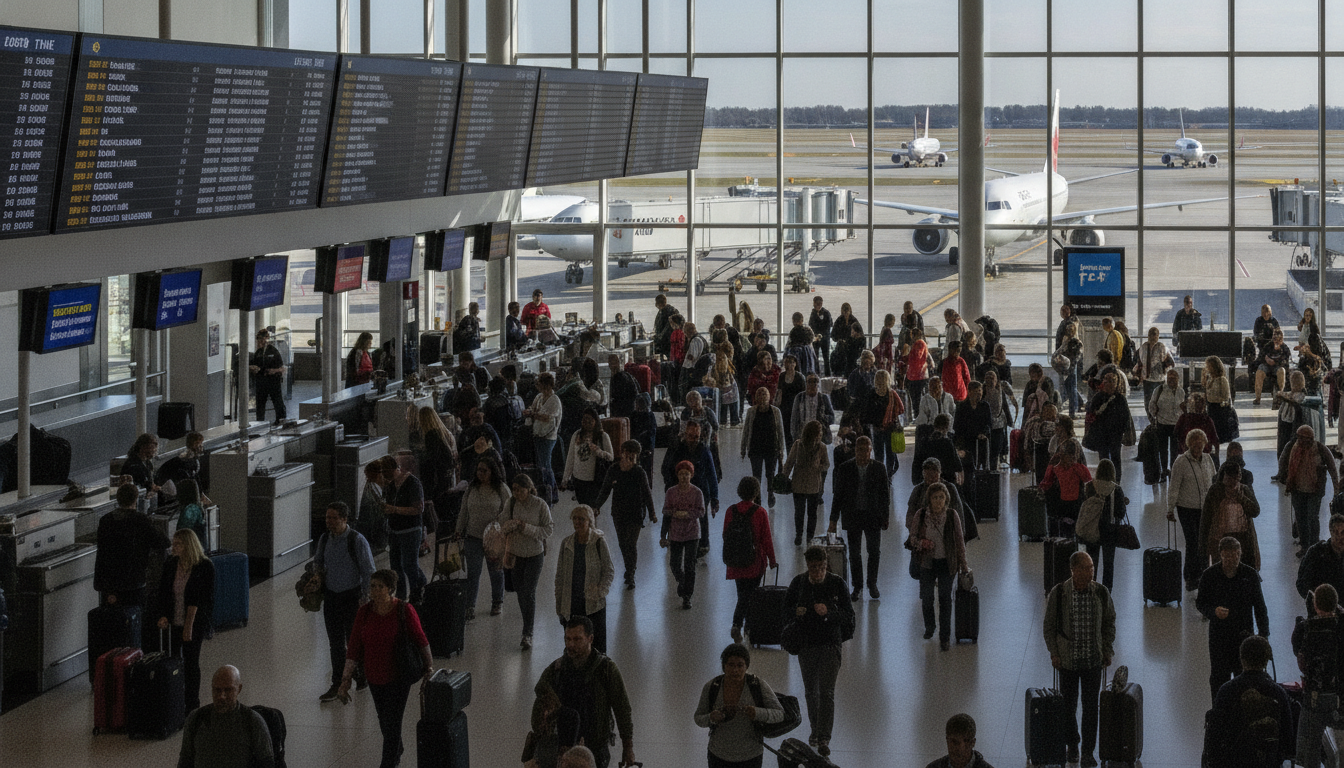
Canadian air travel surge holds steady despite fuel and geopolitical headwinds as July 23 sets global flight record
Amid fuel shortages and geopolitical tensions Canadian air travel surge persisted this summer with a record global flight day on July 23 and domestic services up sharply. Passenger demand remained strong even as some carriers cut routes and one low-cost airline suspended operations. Industry trackers and travel agencies say airlines maximized capacity to meet holiday season demand while overall flight volumes remain below pre pandemic levels.
Record global flight day on July 23
Flightradar24 reported that July 23 saw the highest number of commercial flights recorded in a single day this year. Analysts point to strong summer travel demand in the northern hemisphere as a key driver behind the spike. Observers noted that multiple carriers tapped full capacity to accommodate peak season travelers.
Canadian flights rose by 16 percent this summer
Tracking data show commercial flights within Canada increased by about 16 percent between April 1 and July 23 compared with the same period. That rise outpaced a roughly 11 percent gain in worldwide flights over the same interval according to Flightradar24 figures. Flight Centre Travel Group Canada highlighted the lift but also cautioned that annual commercial flight totals remain roughly 20 percent below 2019 levels, citing analysis from Cirium.
Airlines adjusted networks and equipment to cope
Faced with higher fuel costs and labor disruptions, many carriers trimmed unprofitable services and reallocated capacity to core routes. Some established carriers increased the average size of aircraft on key sectors while retiring smaller planes from their schedules. In May one low cost U S operator suspended operations entirely, underscoring the financial stress on marginal players in the market.
Booking habits shifted towards last minute and long haul Japan demand
Travel agencies reported notable shifts in passenger behavior this season with more Canadians booking late for European trips. Flight Centre Canada said last minute purchases rose as travelers sought to manage uncertainty over fuel costs and potential labour actions. The agency also recorded a 37 percent jump in summer bookings from Canada to Japan year over year, a trend attributed in part to a weaker yen and renewed interest in long haul winter trips such as skiing.
Economic and geopolitical risks could alter trajectory
Industry spokespeople say the war in the Middle East has not yet depressed travel outside the immediate region, but they warn that a prolonged conflict could change that picture. Labour actions, including a recent short but disruptive WestJet cabin crew walkout, have also shaken traveler confidence and highlighted operational vulnerability. The International Air Transport Association has warned that rising fuel expenses and narrowing margins will likely keep upward pressure on air fares.
Capacity management and profitability pressures
Carriers have limited options to cut costs further without reducing service quality, according to aviation analysts. Fuel price volatility squeezes margins even when demand remains robust, prompting some airlines to consolidate flights and optimize fleet deployment. Those moves have the effect of carrying more passengers per departure even as total flight counts lag behind pre pandemic volumes.
Passenger appetite for travel appears to be resilient despite higher prices and uncertainty, with many households reordering spending to preserve trips. But industry leaders caution that sustained increases in operating costs or a spike in geopolitical disruption could slow the recovery and push more travelers toward local alternatives.
The current summer pattern shows an industry that can flex to meet demand while facing clear limits on cost cutting and exposure to global events. Airlines and travel firms say they will monitor fuel markets, labour relations and geopolitical developments closely as they plan schedules and pricing for the months ahead.
