
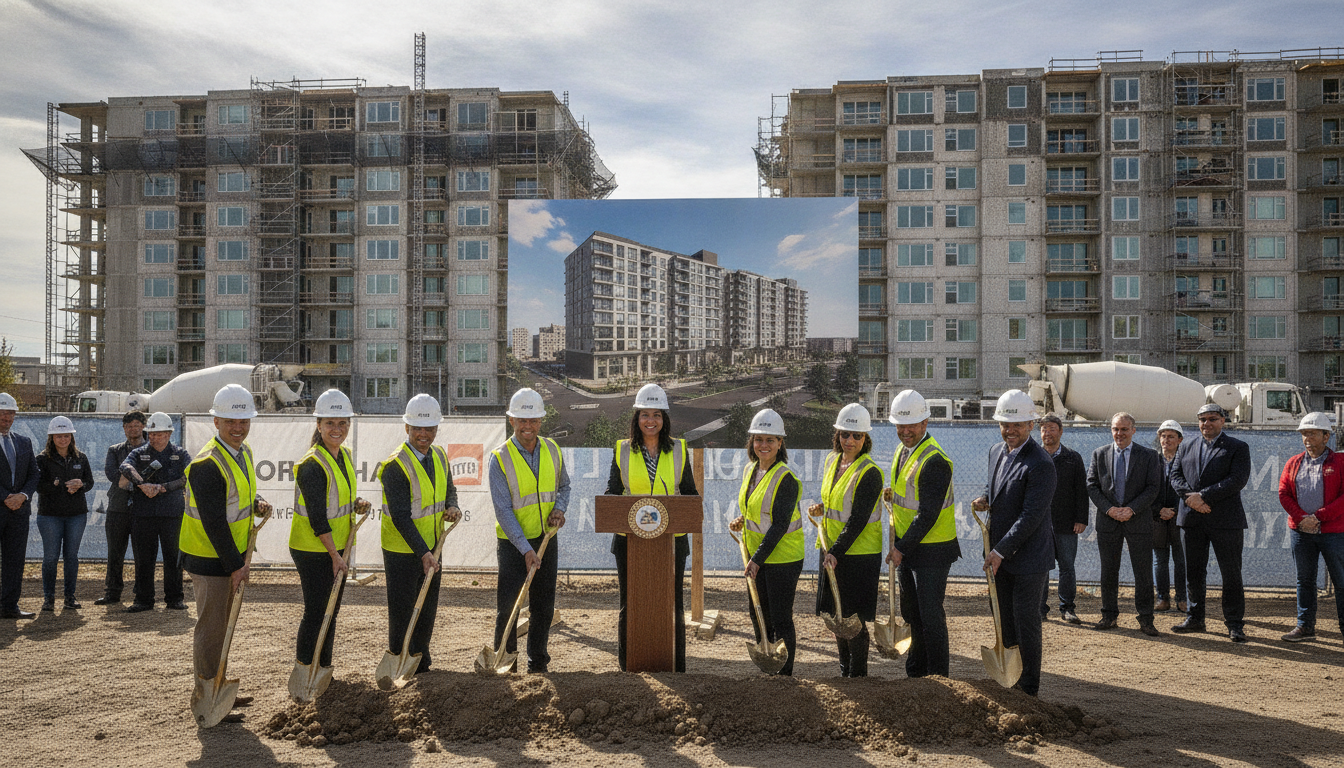
Work begins on $90-million Bridgeland Place overhaul to restore 203 affordable units
Work starts on a $90M refurbishment of Bridgeland Place in Calgary, adding 203 affordable units and upgraded systems, with re-occupancy expected in late 2028.
Bridgeland Place will begin a $90‑million refurbishment this week, with major exterior and system upgrades aimed at returning the tower to service as affordable housing by late 2028 or early 2029. The northside high‑rise across the Bow River, known as Bridgeland Place, was vacated in 2023 and has been gutted to its concrete core since 2024 as Calgary Housing moves ahead with a full mechanical and envelope renewal. The project will restore 203 residential units and modernize building systems to meet current codes and energy standards.
Scope of the rehabilitation contract
The redevelopment will replace the original cladding, install new windows, remove balconies and rebuild the mechanical, plumbing and electrical systems throughout the tower. Interior work has required a complete reinstall of heating, ventilation and water systems because the building was stripped to its concrete shell in 2024. The exterior envelope work starting the week of Aug. 17, 2026 is intended to make the structure more weather‑resistant and energy‑efficient over the long term.
The overhaul is being managed by Calgary Housing, the city‑owned housing subsidiary, with overall project costs set at roughly $90 million. Project managers say the decision to retain the tower stems from structural inspections that found the concrete core to be sound, making renewal a more viable option than demolition and rebuild. Officials have emphasized that the investment is intended to extend the building’s service life and improve resident safety and comfort.
History of the building and reasons for decommissioning
Bridgeland Place was originally constructed in 1971 and provided 210 rental suites as below‑market housing for more than five decades. The tower was declared past its serviceable life and decommissioned in 2023 after persistent issues with water and ventilation systems prompted the relocation of remaining tenants. In response, Calgary Housing opted to clear the interior down to concrete to allow for full remediation of potential hazardous materials and to rebuild to modern standards.
Calgary Housing’s interim CEO, Bo Jiang, said earlier inspections confirmed the building’s “strong bones,” which informed the choice to renew rather than demolish. The interior gutting completed in 2024 created the opportunity to install up‑to‑date systems and to reconfigure living spaces in line with current building codes and tenant needs.
Unit mix changes and affordability model
When Bridgeland Place reopens it will offer 203 units, down slightly from the original 210 to accommodate a broader family mix including newly introduced three‑bedroom apartments. The redesign intentionally shifts from the previous one‑ and two‑bedroom composition to include larger units suited to families, reflecting Calgary Housing’s tenant demographics. The project will continue Calgary Housing’s mixed‑income rent model, meaning some units will be more heavily subsidized while others will be set at different below‑market rates.
Project leaders say the change in unit mix is deliberate and aimed at creating a more diverse tenant population, from low‑income workers to those in modestly higher wage brackets. The redeveloped tower is intended to serve working‑class Calgarians—baristas, mechanics and others—who need stable, affordable access to central neighbourhoods.
Timeline, delays and neighbourhood impacts
The redevelopment timeline is approximately two years, with re‑occupancy now targeted for late 2028 or early 2029, after an initial 2027 target was pushed back. Calgary Housing officials attributed the delay to later‑than‑expected confirmation of full funding requirements and additional time required during the development permit and design process. Managers say the revised schedule should produce a better finished product and allow for greater community engagement.
Construction activity will concentrate around the tower and its grounds and is expected to increase traffic and access restrictions in the Bridgeland neighbourhood while work is active. Calgary Housing has said daily impacts for nearby residents should be limited, but warned that short‑term disruptions are likely when the site becomes an active construction area.
Community response and shelter system connections
Local community leaders and residents have generally supported the project, citing Bridgeland’s history of hosting community support facilities and the need for affordable units in the area. Tony Imbrogno, a board member of the Bridgeland‑Riverside Community Association, noted that bringing units back online creates a pipeline for people who might otherwise rely on emergency shelters. He said the restored building contributes to neighbourhood stability and helps address spillover social issues by providing housing options.
Stakeholder engagement with the Bridgeland community formed part of the redevelopment refinements, according to Calgary Housing, and officials say ongoing communication will continue throughout construction. Neighbourhood businesses and residents may see intermittent impacts, but the association and city managers emphasize the long‑term benefits of increased affordable housing stock.
Bridgeland Place’s return to service will add 203 affordable units to Calgary’s supply, a modest but meaningful contribution to a citywide challenge that Calgary Housing says requires thousands more homes. The agency has set a target to increase the city’s affordable housing inventory by about 4,500 units over the next decade, and this project is being positioned as a step toward meeting that broader objective.
The Bridgeland project illustrates a larger municipal approach of renewing existing assets where feasible, upgrading building envelopes and systems to modern standards, and tailoring unit mixes to changing household needs. As work progresses through 2026 and 2027, city officials and community groups will monitor construction impacts and prepare for tenant re‑occupancy when the building reopens in late 2028 or early 2029.
