
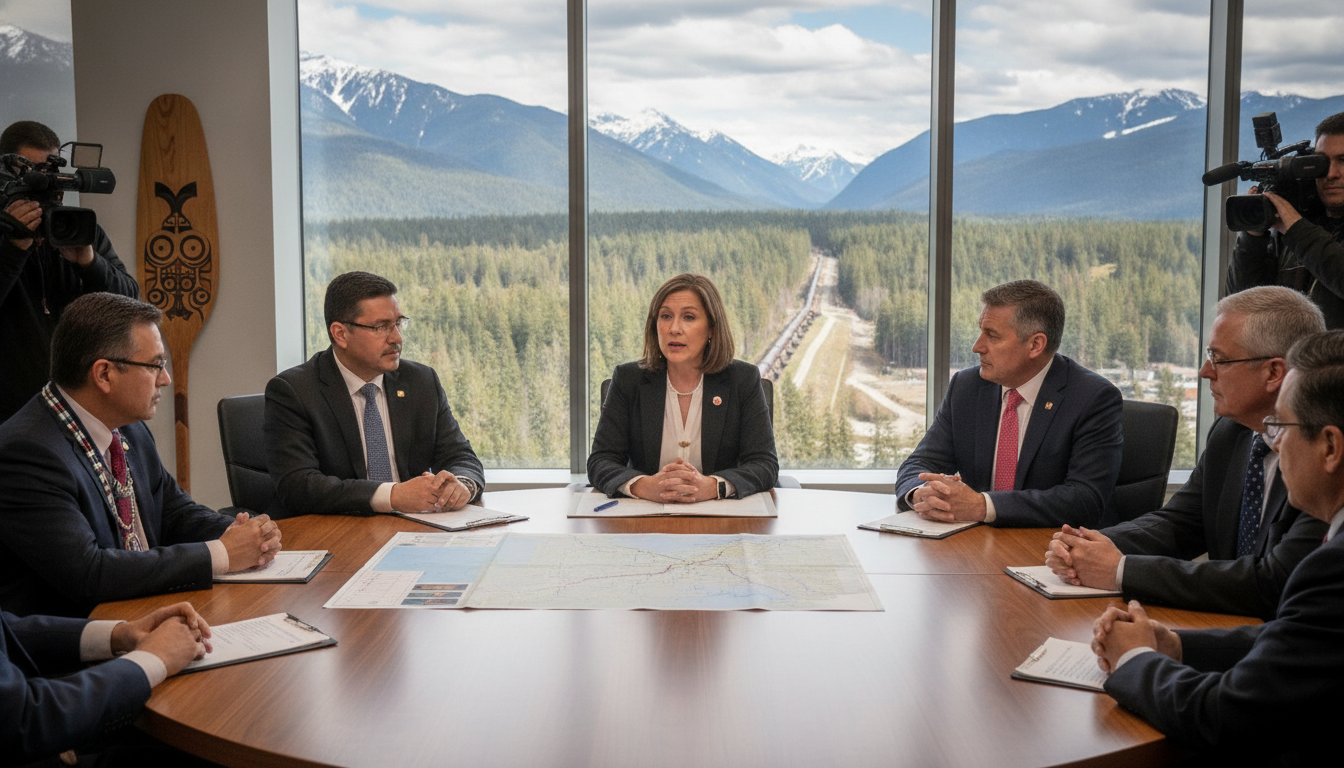
Ewasiuk says pipeline possible as B.C. approvals and Indigenous agreements remain hurdles
Ewasiuk says a proposed pipeline could still move forward, but B.C. regulatory approvals and agreements with Indigenous communities pose major hurdles and uncertainty.
Ewasiuk expresses cautious optimism
Ewasiuk said stakeholders reacted to the latest signals with guarded enthusiasm and an awareness that substantial work remains before any project can proceed. The official framed the response as hopeful yet measured, noting that the pathway to construction is far from assured.
He emphasized that excitement among some quarters must be balanced against the number of outstanding steps, from formal approvals to negotiated settlements. That tone reflects the mixed reaction often seen when large infrastructure projects reemerge in public debate.
Agreements between governments and Indigenous groups required
A central issue, Ewasiuk noted, is the need for concrete agreements between federal and provincial governments and Indigenous communities before the pipeline can advance. He said those arrangements will dictate whether the project can overcome political and legal obstacles in British Columbia.
Those agreements typically cover land rights, environmental protections and economic participation, and reaching consensus can be a lengthy process. Until those talks yield binding outcomes, proponents and opponents will face uncertainty about the project’s viability.
Regulatory process and provincial hurdles in B C
Ewasiuk highlighted specific hurdles in British Columbia that could delay or block the proposal even if other parties agree in principle. He pointed to the province’s permit and review processes as areas where project proponents must secure approvals and demonstrate compliance.
Provincial regulators will evaluate environmental assessments, community impacts and technical plans before any construction green light is issued. Those reviews often involve public comment periods and the potential for judicial challenge, adding time and complexity.
Stakeholders weigh economic and environmental concerns
Economic arguments for a pipeline typically include job creation, revenue streams and expanded market access for resource sectors, and Ewasiuk acknowledged those potential benefits as part of the conversation. At the same time, environmental groups and many local residents continue to press for stronger safeguards or outright rejection.
Balancing economic opportunity with ecological risk remains the core challenge for negotiators, and that balance will shape public sentiment going forward. Investors and municipal leaders will watch the negotiation phase closely for signals about which direction the project might take.
Negotiations and legal steps still ahead
Ewasiuk warned that multiple negotiation tracks must run in parallel, including legal, regulatory and community-level discussions, before any final decision is made. He said even optimistic projections should assume further rounds of consultation and possible legal contests.
Those processes can produce agreements that alter project scope, impose mitigation measures or require additional compensation, all of which affect timing and cost. Observers say the outcome of these steps will determine whether proponents can convert cautious optimism into concrete progress.
Next steps and timeline uncertainty
Ewasiuk urged patience and diligence as the various players move into detailed talks and regulatory filings, stressing that timelines are provisional and subject to change. He said stakeholders must respect the procedural and legal frameworks that govern major infrastructure projects in British Columbia.
Officials, advocacy groups and communities will likely release further statements as negotiations proceed, and the project’s prospects will become clearer only after specific agreements and permits are secured. Until then, the pipeline remains a possibility rather than a certainty.
The coming months will test whether parties can bridge political, legal and cultural divides to reach a workable plan, and Ewasiuk’s measured response captures both the hope and the hurdles that define the debate.
