
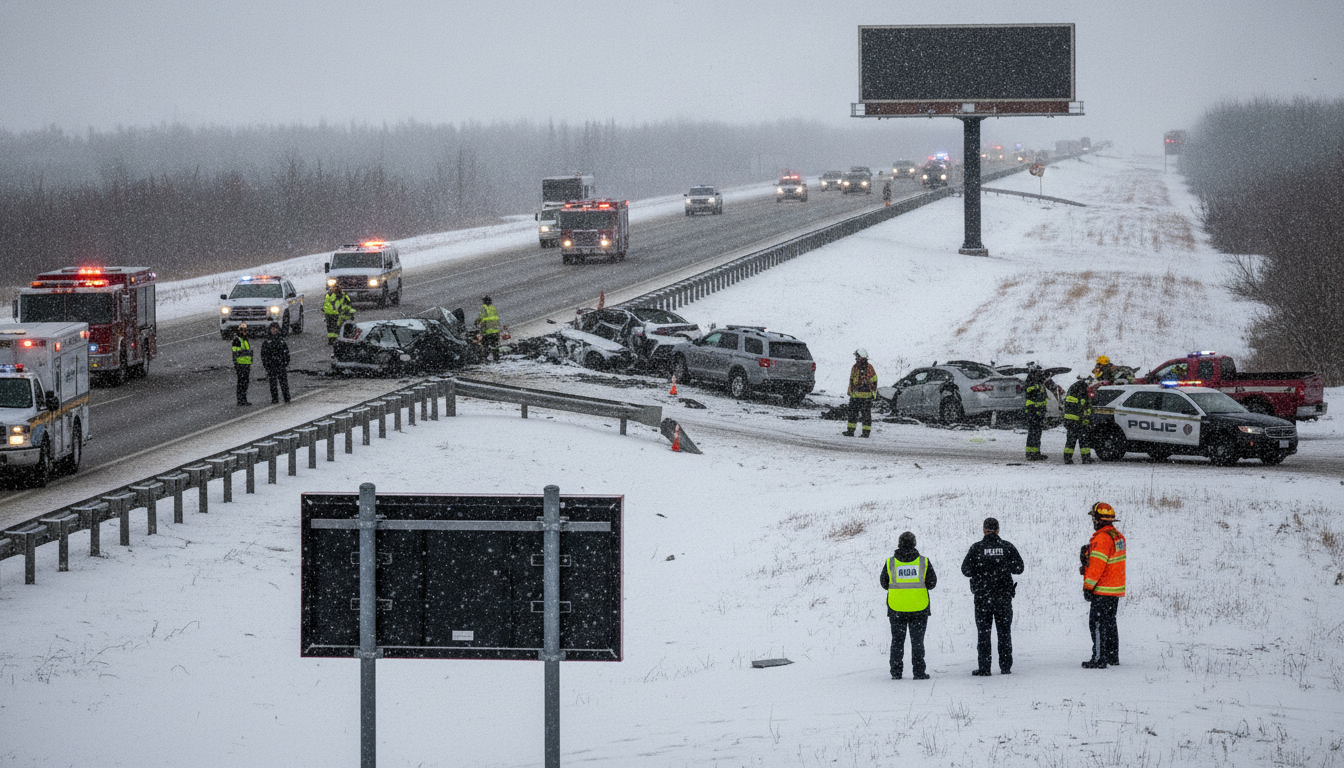
AMA warns speeding driving record traffic fatalities ahead of Heritage Day weekend
Alberta Motor Association urges drivers to slow down this Heritage Day weekend as speeding has been linked to a sharp rise in traffic fatalities and serious injuries across Edmonton and Calgary.
AMA urges drivers to slow down before Heritage Day
The Alberta Motor Association is publicly warning motorists to reduce speed as long-weekend travel increases across the province. AMA Safe Communities officials say even modest speed increases markedly raise the risk that a mistake will become a fatal crash. The advisory comes ahead of the Heritage Day long weekend, when vehicle volumes typically climb and collisions historically spike.
Edmonton sees steep rise in fatalities since 2021
Edmonton police and provincial figures show a troubling trend: overall traffic fatalities in the city increased by about 73 per cent between 2021 and 2025. During the same interval the number of fatal collisions where speed was identified as a factor doubled, rising from seven to 14. Police officials cite excessive speed as a recurring causal factor in the most severe crashes, a pattern that has intensified as traffic volumes and driving speeds have rebounded after pandemic lows.
Calgary records double the fatal crashes over four years
Calgary’s road safety data mirror Edmonton’s deterioration, with total fatalities roughly doubling between 2021 and 2025. Fatal collisions linked to excessive speed in Calgary climbed from eight in 2021 to 14 in 2025, and there were seven speed-involved fatalities already recorded in 2026. City police have repeatedly pointed to “egregious speeds” on arterial routes and highways as a leading contributor to the increase in life‑threatening collisions.
Speeding’s role in collision severity and timing
Traffic analysts note that speeding does more than raise the likelihood of a crash; it amplifies injury severity and the potential for fatalities. Provincial statistics indicate that speeding accounts for at least one-quarter of traffic deaths and serious injuries, and head-on impacts and run‑off‑road collisions account for a large share of the most catastrophic outcomes. Summer and fall remain peak months for fatal crashes, with Fridays and rush-hour periods showing higher casualty levels.
Seatbelts, impairment and demographic risk factors
Provincial data further underline risk factors that compound the danger of speeding. Drivers who do not wear seatbelts are many times more likely to suffer major injuries and are significantly more likely to die in a collision. Alcohol and drug impairment appear in over seven per cent of fatal crashes, and the prevalence of substance use tends to rise with collision severity. Young male drivers aged 18–21 are disproportionately involved in injury collisions, while drivers over 65 face higher fatality rates when a crash does occur.
Practical steps for safer long‑weekend driving
Road-safety advocates recommend practical measures for motorists planning travel over the Heritage Day weekend: leave earlier to avoid rushing, obey posted limits, and factor in extra time for stops and traffic signals. Slowing by even 10–20 km/h can give drivers crucial seconds to react and can substantially reduce the forces involved in a crash. Officials also emphasize consistent seatbelt use, avoiding impaired driving, and adjusting speeds for road and weather conditions.
Traffic enforcement and public education are being increased in some jurisdictions for the long weekend, with police agencies noting that targeted checks for speed and impairment aim to deter dangerous behaviour. The AMA says that community outreach and reminders are important but that individual choices behind the wheel remain the most effective way to prevent tragedies.
As motorists head out for the Heritage Day break, safety officials urge restraint and patience on Alberta roads so that the long weekend does not bring more families grief.
