
Alberta resource revenue: province vows not to repeat boom‑and‑bust spending as oil prices climb
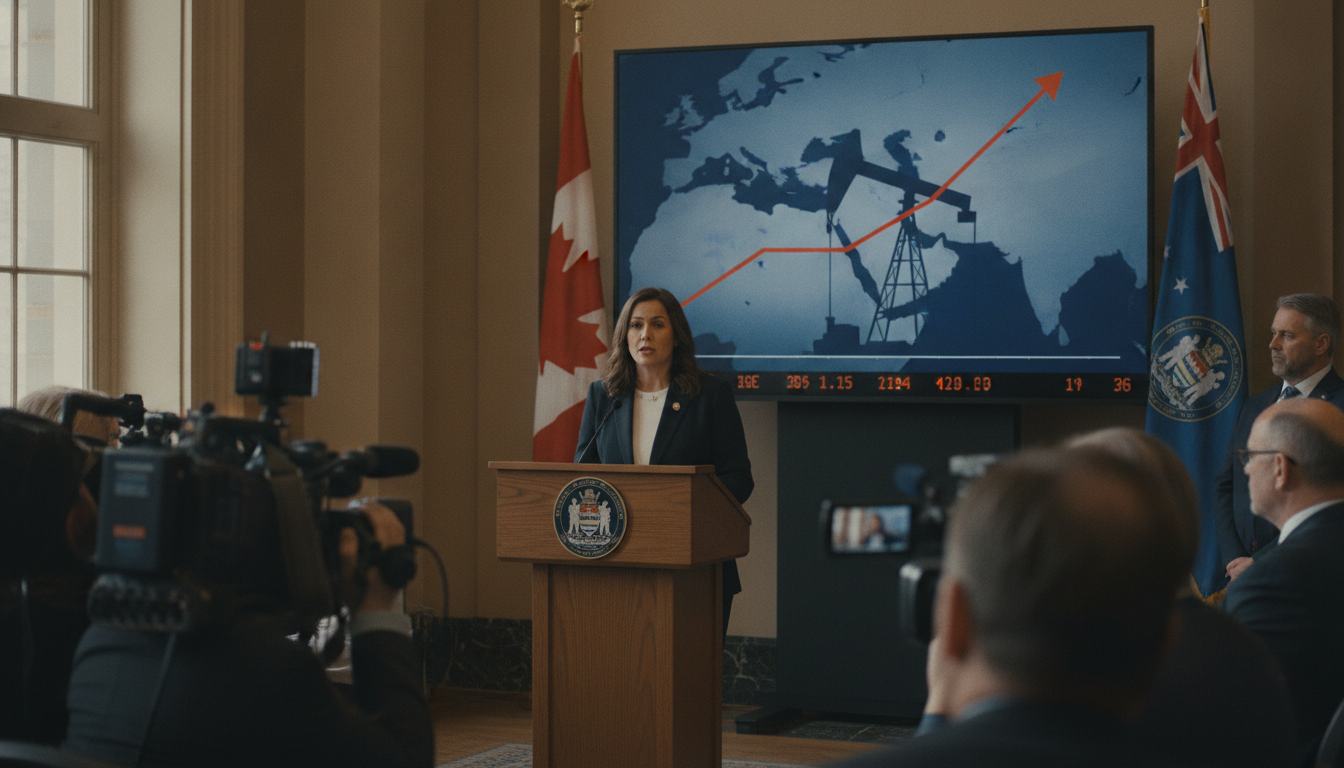
Alberta vows restraint as oil prices rise after Middle East conflict, pledging not to repeat resource revenue boom‑bust cycles that produced lasting deficits.
The Alberta government on Thursday signalled a firmer fiscal posture as international turmoil pushed oil prices higher and financial markets more volatile. Officials warned that while temporary increases in Alberta resource revenue are attractive, the province will resist the rapid spending increases that have deepened deficits in past cycles. The pledge reflects concern about an uncertain outlook for global growth and inflation tied to geopolitical risks.
Province signals fiscal discipline
The provincial statement emphasized that Alberta has experienced the pattern of spending up when resource revenues spike and struggling to adjust when prices fall. The government said it would not allow a one‑off revenue surge to set a permanent spending baseline. That language signals a shift toward rules or processes designed to prevent the budget from becoming overly dependent on volatile commodity receipts.
The comments came amid renewed attention on fiscal planning after recent oil price strength driven by conflict in the Middle East. Ministers and senior officials framed the choice as one between temporary relief and long‑term fiscal stability. They suggested mechanisms such as contingency funds and stricter revenue rules would be considered to smooth out shocks.
Oil prices rise, volatility increases
Market moves were cited as the immediate catalyst for the pledge, with global crude trading higher and volatility elevated following geopolitical developments. The province noted that while higher oil prices increase near‑term revenues, they also raise uncertainty about the growth and inflation outlook worldwide. That uncertainty complicates forecasting and can mask the transitory nature of windfall receipts.
Analysts generally agree that commodity price spikes tied to conflict can be short‑lived and that relying on them for ongoing expenditures is risky. Alberta’s economy, more exposed to oil and gas than other provinces, faces amplified budget swings when prices move sharply. The government’s public messaging aimed to set expectations that any new revenue will be used cautiously.
Historical boom‑and‑bust pattern referenced
Officials pointed to previous episodes when sudden revenue gains encouraged spending increases that proved unsustainable. In those prior cycles, the province expanded programs and commitments as oil money flowed, only to face deficits and program cuts once prices normalized. The government framed its current stance as a deliberate effort to break that cycle.
Fiscal watchdogs have long recommended building larger rainy‑day funds or directing revenue surges into long‑term investments rather than recurring spending. The province’s statement echoes those recommendations while emphasizing a political willingness to follow through. Observers said the rhetoric will be judged against policy choices and the specifics of any new fiscal rules.
Potential budget tools under consideration
While the government did not publish a detailed plan, it mentioned options that could include tightened expenditure ceilings, stabilized revenue mechanisms, and enhanced contingency reserves. Those tools are commonly used to insulate budgets from commodity swings and to preserve core services during downturns. Any shift would likely be implemented through the budget process and require careful design to balance flexibility and discipline.
Officials signalled an appetite for a multi‑year approach, suggesting evaluations of program commitments and capital plans rather than abrupt cuts. This approach would aim to avoid sudden shocks to municipalities, health services, and education systems that depend on predictable funding. The government indicated it prefers gradual adjustments informed by multi‑year revenue projections.
Reactions from economists and stakeholders
Fiscal analysts welcomed the tone but urged clarity on the mechanisms and timelines for change. Many said the effectiveness of the pledge depends on binding rules, transparent reporting, and independent oversight. Business groups noted that while fiscal discipline is important, predictable and stable public investment remains crucial for long‑term competitiveness.
Public sector leaders cautioned that sustained restraint would require careful prioritization to protect essential services and capital projects. Some opposition voices questioned whether the vow would hold when constituency pressures mount during an upswing. The coming budget debates will be a key test of whether the commitment translates into concrete policy.
Implications for growth and inflation outlook
The province acknowledged that higher oil prices could boost short‑term growth but warned they also complicate the provincial inflation picture. Policy makers suggested that any fiscal response must factor in the broader macroeconomic context, including federal policy, trade trends, and global demand. That holistic framing indicates the government intends to coordinate fiscal policy with broader economic conditions rather than react to commodity moves alone.
The statement stressed caution about counting on temporary receipts to fund permanent programs, reflecting a conservative budgeting philosophy. This posture aims to reduce the likelihood of future deficits triggered by a reversal in energy markets. Whether the approach will produce stronger fiscal outcomes will hinge on the specifics that emerge in budget documents.
The province’s vow to resist repeating past mistakes on resource revenue sets up a period of scrutiny as officials translate words into policy. Observers and affected stakeholders will be watching budget proposals and fiscal rules for signs that the commitment is durable and actionable.
