
UCP to appeal judge’s ruling as Alberta separation referendum’s future remains uncertain
Court ruling on Alberta separation referendum overturned for appeal after judge found consultation failures with First Nations, leaving ballot path uncertain.
The future of an Alberta separation referendum is back in legal and political limbo after a Court of King’s Bench judge found the provincial government failed to meet its duty to consult First Nations. The ruling, which placed a citizen-led independence petition at risk, prompted Premier Danielle Smith to announce the United Conservative Party will appeal. The appeal revives questions about whether a pro-separation question can legally reach the ballot and what procedural steps lie ahead.
Judge finds consultation duty unmet
Justice Shaina Leonard ruled that the provincial government did not fulfill its constitutional obligation to consult Indigenous groups that argued Alberta’s separation could infringe treaty rights. The decision centered on an error of law by the chief electoral officer in approving Stay Free Alberta’s citizen initiative led by Mitch Sylvestre. Leonard’s 37-page judgment placed the petition’s advance toward a referendum in jeopardy by emphasizing the need to respect treaty rights before moving forward.
The court also heard a separate challenge brought by Sturgeon Lake Cree Nation, which did not prevail after the judge found it had not demonstrated irreparable harm. The contrasting outcomes underscore the nuanced legal standards courts apply when weighing potential impacts on Indigenous communities against procedural and democratic claims.
Premier calls ruling anti‑democratic and vows appeal
Premier Danielle Smith called the decision “anti-democratic” at a subsequent press conference and argued the citizen initiative process cannot be practically constrained by the constitutional duty to consult. The UCP contends that although the government itself must respect Indigenous rights if implementation becomes necessary, individual citizen groups cannot be held to the same standard during the petition stage. That argument underpins the government’s decision to pursue an appeal in the Court of Appeal.
Smith has said she will consult her caucus and cabinet on next steps, framing the legal challenge as important to preserve the broader citizen initiative process. The appeal adds another procedural layer that will determine whether the referendum question can be certified or remains blocked for the duration of litigation.
Implications for petitions and ballots
The court’s decision directly affected Mitch Sylvestre’s petition seeking a referendum on Alberta’s independence and carries implications for the Forever Canadian petition currently before a legislative committee. The Forever Canadian initiative is under review by MLAs, who must decide whether to advance the petition to the legislature or to a public referendum. The judge’s finding about consultation raises legal and practical hurdles for any citizen-led question touching constitutional matters.
Under Alberta’s Referendum Act, the lieutenant-governor in council may order a referendum on questions related to the Canadian Constitution or resulting from proposed constitutional changes. The act also allows referendums on non-constitutional matters deemed in the public interest. How those statutory powers intersect with the constitutional duty to consult will be a central issue if either petition is certified for a ballot.
Expert views on constitutional and practical paths
Legal scholars note that the provincial government retains several tools to place questions before voters, including ordering a referendum directly under the Referendum Act. Nelson Wiseman, a political science academic, has observed that governments can choose referendum questions and that putting a question on the ballot does not end constitutional challenges. Once a referendum addresses constitutional matters, its results can affect the state’s constitutional framework and invite further judicial scrutiny.
Observers stress that a referendum’s wording, timing and implementation plans will be scrutinized if the matter advances. Even a successful popular vote on a constitutional question could face legal challenges if Indigenous rights or other constitutional guarantees are implicated. The appeal will likely probe whether the courts should allow a citizen initiative to bypass consultation processes that a government might otherwise be required to carry out.
First Nations and federal actors demand clarity
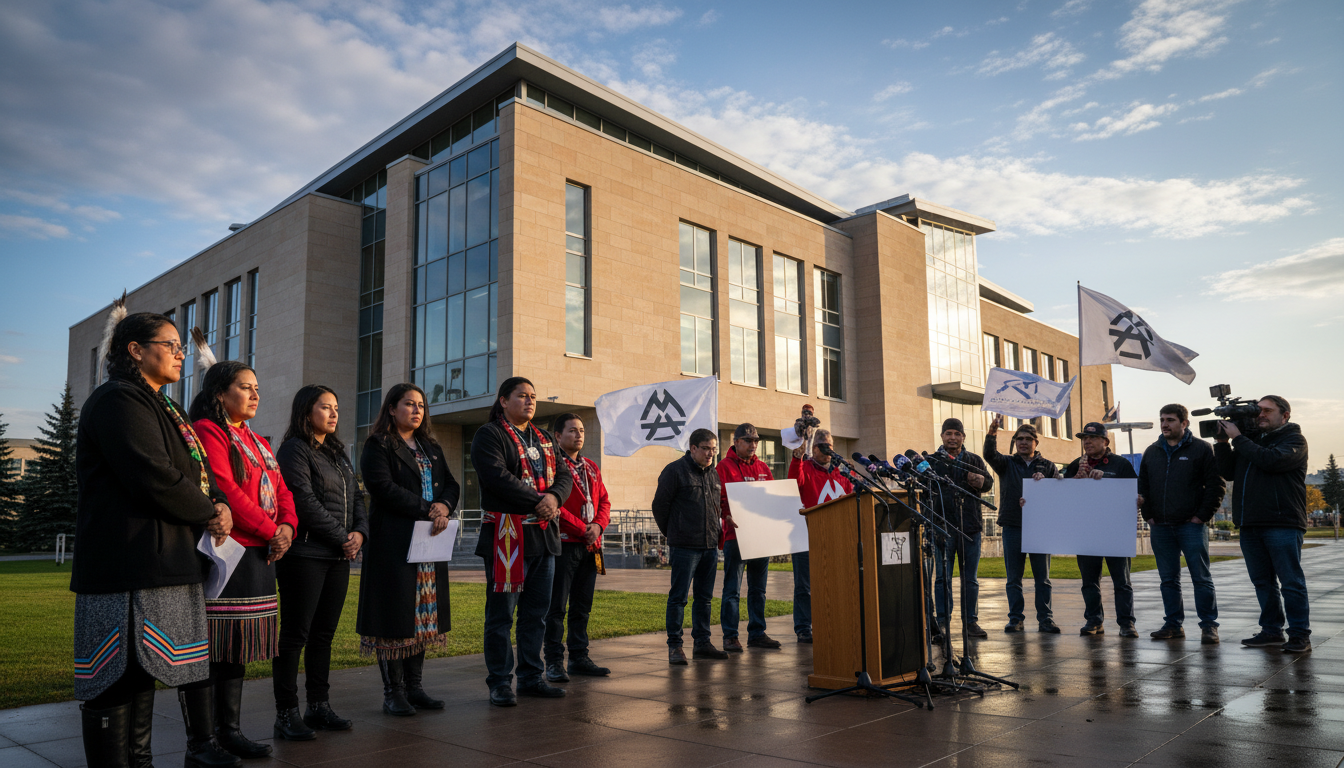
Athabasca Chipewyan First Nation and several Blackfoot nations were successful in bringing legal concerns about the petition, arguing that separation would imperil treaty rights. Other Indigenous communities, including Sturgeon Lake and Mikisew Cree First Nations, have called for federal and provincial clarity and for assurances that treaty obligations will be protected. In public statements, some First Nations urged the prime minister to withhold support for provincial investments until the premier commits to blocking any referendum that threatens constitutional and treaty relationships.
Federal officials have emphasized the need to respect Indigenous rights and to ensure consultation in processes that could change the federation’s legal contours. Those calls underline the broader political stakes beyond provincial politics and suggest Ottawa may play a mediating role if the dispute escalates.
Next procedural steps and timelines
With the UCP lodging an appeal, the Court of Appeal will be asked to review Leonard’s ruling and determine whether the initial decision should stand while litigation continues. The timing of that process is uncertain and will depend on the appeals court’s schedule and the parties’ motions for interim relief. Meanwhile, the Forever Canadian petition will proceed through the legislature’s committee process, where MLAs will decide whether to move the initiative forward.
If the appeal fails, the province may be required to engage in consultations or refrain from advancing the petition toward a referendum. If the appeal succeeds, the path to a ballot question could reopen, but further constitutional challenges would remain possible. The coming weeks will also test whether political pressure from Indigenous communities and federal actors alters the provincial government’s posture.
Public and political reaction is likely to remain intense as legal reviews proceed and as stakeholders press for clarity on rights and process. The appeal ensures the question of an Alberta separation referendum will be fought in courts as much as in public debate, with outcomes that could shape both provincial politics and long-standing treaty relationships.
