
Northern Alberta timber industry steadier than national peers, provincial official says
Ken Greenway says the northern Alberta timber industry remains comparatively stable as other Canadian forestry regions confront sharper contractions; drivers and risks explored.
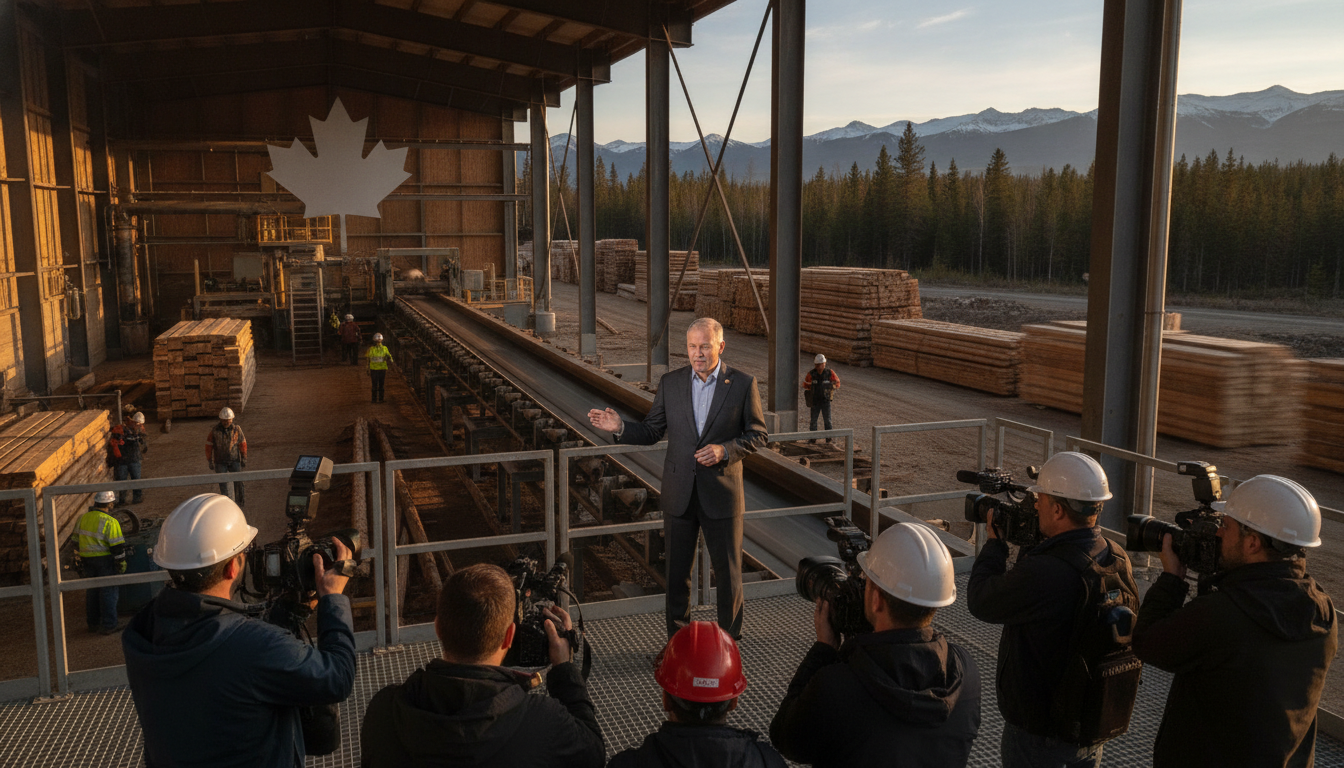
The northern Alberta timber industry is showing relative resilience at a time when several forest regions across Canada are experiencing sharper downturns, provincial officials say. Ken Greenway, executive director of strategy, policy and economics at Alberta Forestry and Parks, told reporters the region’s operations have so far avoided the steep contractions seen elsewhere. The assessment highlights both steady demand for certain wood products and localized conditions that are buffering some communities from the worst impacts of national trends.
Provincial official highlights regional contrast
Ken Greenway, who leads strategy, policy and economics for Alberta Forestry and Parks, emphasized the contrast between northern Alberta and parts of the country that have seen larger declines in forestry activity. He noted that while challenges persist in the sector nationally, northern operations have maintained a steadier pace of harvesting and processing. The department’s remarks frame local stability as relative rather than absolute, reflecting ongoing market and environmental pressures.
Market forces and product mix supporting operations
Industry observers point to a diversified product mix in northern Alberta as one factor underpinning resilience in the timber sector. Facilities that process a range of products — from dimensional lumber to pulp and biomass feedstocks — can adjust production when specific markets contract. Proximity to industrial consumers and established transportation links for both domestic and export markets also helps some mills sustain output amid fluctuating demand elsewhere.
Environmental and operational risks persist
Despite the relative steadiness, the region faces recurring risks that could erode gains if left unaddressed. Wildfire seasons have grown longer and more intense in parts of western Canada, creating operational disruptions, road closures and increased firefighting costs for companies and provincial authorities. Insect outbreaks and shifting climatic conditions also pose threats to timber supply and stand health, prompting managers to factor risk into long-term harvest planning.
Community economies and employment effects
Forestry remains a significant employer in many northern Alberta towns, supporting direct jobs in harvesting and mills as well as indirect work in transportation and services. Local governments and businesses say even modest downturns or short-term mill slowdowns can ripple through communities with limited economic diversification. At the same time, where operations have remained steady, municipalities report more predictable tax revenues and payrolls that help stabilize local services.
Indigenous partnerships and diversification efforts
Officials and industry representatives highlight growing collaboration with Indigenous governments and businesses as part of efforts to diversify forest-dependent economies. Indigenous-led forestry initiatives, co-management arrangements and value-added projects are increasingly part of regional strategies to boost resilience. Stakeholders say investment in training, wood processing innovation and non-timber forest products helps expand employment opportunities beyond traditional sawmill work.
Policy and planning responses from Alberta Forestry and Parks
Alberta Forestry and Parks is monitoring regional conditions and working with industry to manage forest supply, wildfire preparedness and long-term sustainability. The department’s strategy work focuses on aligning harvest levels with regeneration capacity and improving risk modelling for pests and fire. Provincial officials say they continue to consult communities and operators to balance economic activity with conservation objectives.
Looking ahead, the northern Alberta timber industry’s relative stability is conditional on how markets, climate events and policy choices evolve over the coming years. Officials stress that steady operations today do not eliminate the need for active management, investment in workforce development and stronger community partnerships. As other Canadian forestry regions adapt to contraction, northern Alberta’s experience may offer lessons on diversification and risk mitigation, but the region will remain vigilant against the same pressures facing the broader sector.
