
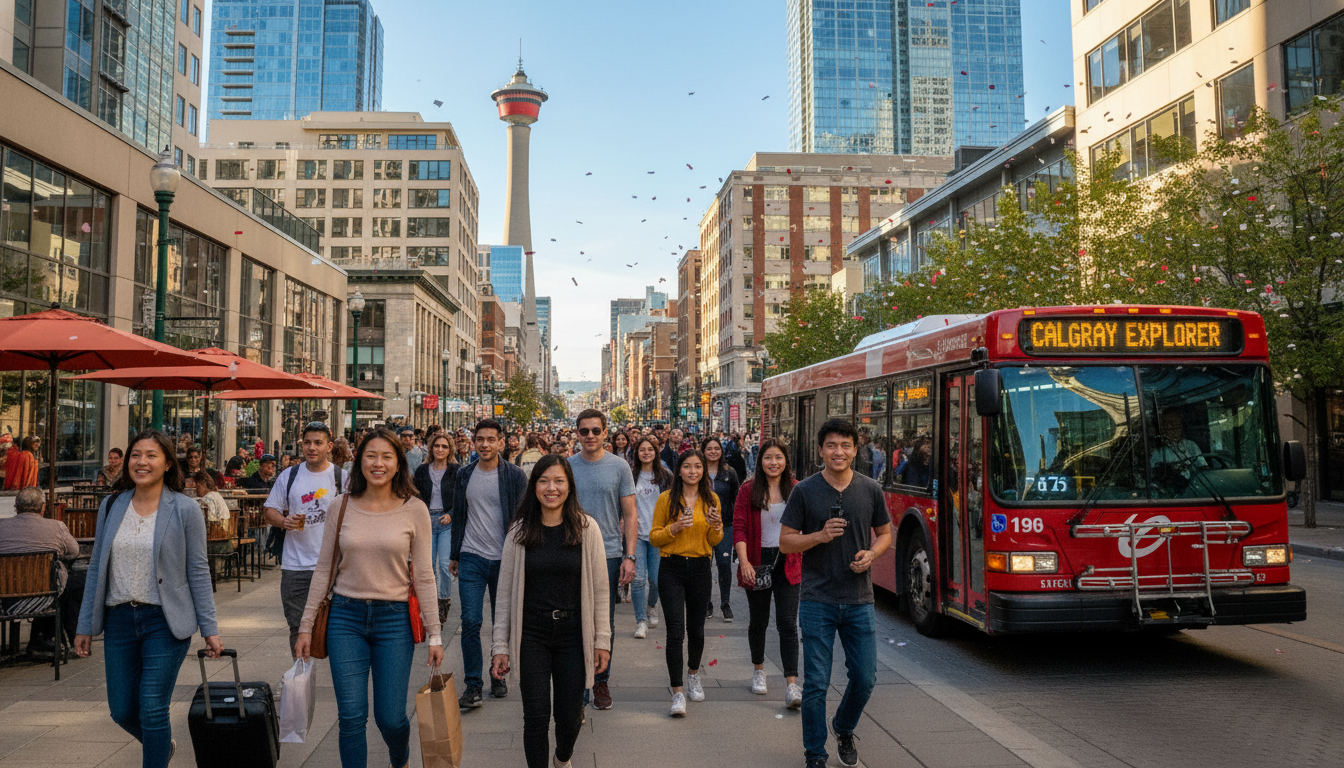
Calgary tourism sees strong start to 2026 as visitor spending and events surge
Calgary tourism posts early 2026 gains as visitor spending rises, conventions and sporting events multiply, and businesses report longer stays and higher local spending.
Calgary tourism recorded a robust start to 2026, with visitor spending in the first quarter rising seven per cent year over year and local businesses reporting stronger sales and longer guest stays. Tourism Calgary officials say the gains point to a busy summer season driven by domestic travellers, growing international arrivals and a packed calendar of conferences and sporting events. Retailers, restaurateurs and hospitality operators across downtown and neighbourhood corridors described steady foot traffic and higher purchases, underlining the economic lift from travel. The momentum follows a record 2025 when more than 10 million people visited the city, supporting billions in local spending and a resurgence in tourism activity.
Calgary tourism posts early 2026 gains
Tourism Calgary reported that visitor spending in the first quarter of 2026 climbed seven per cent compared with the same period in 2025. That increase, officials say, reflects both higher visitor volumes and per-visitor expenditures across attractions, dining and entertainment. Tourism Calgary’s president and CEO, Alisha Reynolds, characterized the results as confirming Calgary’s growing appeal as a multi-day destination. The organization notes indicators such as length of stay and spend-per-visitor are trending upward.
The strong start follows a banner 2025 when the city welcomed roughly 10.5 million visitors and generated approximately $3.3 billion in visitor spending. That performance established a high baseline for 2026 and has driven concerted marketing and product development efforts. Officials and industry leaders have been positioning Calgary as a gateway to the Rockies while emphasizing its urban arts, culture and culinary offerings. Those efforts appear to be translating into both increased footfall and deeper spending patterns.
Domestic tourists remain the backbone of the recovery
Canadians accounted for about three-quarters of visitors to Calgary in the first quarter, according to local tourism officials. Tourism Calgary attributes much of the year-over-year growth to continued strength in domestic travel, with a reported four per cent increase in Canadian visitors for the same three-month span. Industry leaders say the city is increasingly viewed as both a weekend gateway and a base camp for longer Alberta itineraries that include mountain destinations. The domestic market’s scale and familiarity with Alberta’s attractions make it foundational to ongoing recovery and growth.
Retailers and souvenir operators described the domestic profile of many customers, noting purchases that range from practical outdoor gear to Calgary-themed keepsakes. At the pedestrian-heavy retail corridors, owners reported seeing groups who combine cultural outings with mountain excursions. Local hospitality operators say Canadian travellers are staying longer and adding experiences such as events, culinary tours and recreational activities to their itineraries. That shift toward multi-day stays has helped boost both accommodation occupancy and ancillary spending.
Recreation and entertainment spending surges
Spending on recreation and entertainment jumped markedly in early 2026, with Tourism Calgary reporting a 45 per cent increase in that category compared with the same period in 2025. The rise reflects higher attendance at live events, concerts, festivals and paid attractions, as well as increased spending at restaurants and nightlife venues. City leaders and business owners credited the diversity and quality of programming for drawing visitors into urban cores. The stronger entertainment spend also signals that visitors are extending their days in the city to take in cultural and sporting offerings.
Operators of museums, performance venues and guided-experience companies said they have seen improved bookings and walk-up sales since the new year. Hospitality representatives point to more intentional spending on experiences rather than just transactional purchases, which supports higher per-visitor revenues. The uptick in entertainment spending has also provided seasonal staff with steadier work and opened opportunities for expanded programming into shoulder months. As event calendars fill, the sector expects the momentum to continue through summer and into the fall.
International markets and conventions add higher-value dollars
International visitor spending rose nearly 16 per cent in the first quarter of 2026, with overseas markets showing particularly notable growth of about 12 per cent. Tourism Calgary attributes much of this increase to a rebound in long-haul travel and the return of business-related trips that extend into leisure stays. The city has simultaneously seen increases in business travellers converting short visits into longer stays and adding leisure activities at either end of their trips. That pattern brings higher-value tourism dollars into the local economy and supports hotels, restaurants and meeting providers.
Between May and September, Calgary has almost 70 meetings and conferences scheduled, a tally tourism officials say reflects investments in convention infrastructure and marketing. These events attract delegates who typically spend more on accommodations, dining and local transport than leisure visitors, and they bring a steady weekday demand for hotels and venues. Tourism Calgary and industry organizations have emphasized convention development as a revenue-stabilizing strategy that supports year-round operation of hospitality businesses. Organizers also highlight the multiplier effect, as conferences often generate follow-up leisure visits by delegates and their networks.
Sporting events and legacy projects are drawing attention
Calgary’s 2026 event calendar includes a large slate of sporting events, with officials confirming roughly 27 major competitions scheduled through the summer and into the fall. The city is also preparing to host the Grey Cup at McMahon Stadium in November, an event that historically boosts both overnight stays and visitor spending. Sport tourism has played an increasingly prominent role in the city’s recovery strategy, attracting participants and spectators who frequently combine competitive events with leisure travel. Local sports facilities and event promoters say the cumulative effect of multiple mid-size events can rival single marquee attractions.
Longer-term infrastructure projects are reinforcing Calgary’s event-readiness, with ongoing construction at new venues cited as a factor in securing larger international events. One such project, the new downtown event centre known as Scotia Place, is progressing and is being promoted as part of Calgary’s capacity to host major indoor events. Officials point to that development as one reason the city is among the selected hosts for the World Cup of Hockey in 2027. The combination of immediate event bookings and future-capacity projects is helping planners and investors justify additional hospitality and venue investments.
Small businesses and hospitality operators report higher traffic
Across downtown storefronts and neighbourhood restaurants, owners described stronger foot traffic and an uptick in sales that they link directly to increased visitor numbers. Souvenir shops, in particular, reported steady purchases of themed apparel and keepsakes tied to cultural events and Stampede season. Restaurateurs and hospitality operators noted not only more covers and bookings but also longer stays and higher per-table checks as visitors add experiences such as tastings and live entertainment. These day-to-day transactions are central to the tourism economy and were highlighted as evidence that increased visitation is translating into local benefits.
Industry representatives said American tourists have returned in noticeable numbers and that favorable currency exchange is encouraging cross-border travel. Some operators cited the ease of travel and direct connections as additional incentives for U.S. guests to extend their trips into Calgary. Hospitality associations emphasized the role of staff training, product quality and local partnerships in converting visitors into repeat customers. Business owners also expressed cautious optimism that sustained visitation through the fall will help address staffing and seasonality challenges.
Calgary Stampede and seasonal programming amplify demand
Calgary’s signature event, the Calgary Stampede, remains a major driver of visitation and retail activity each summer. Organizers and tourism officials expect the Stampede to be a focal point for both domestic and international guests, amplifying demand across accommodation and hospitality sectors. Local retailers prepare specially themed merchandise and promotional offerings timed to the event, while performance venues and restaurants schedule complementary programming. The combined pull of the Stampede and other summer festivals helps concentrate visitor activity in the core while sending economic benefits across neighbouring communities.
Beyond the Stampede, a mosaic of arts, culture and food events contributes to Calgary’s positioning as an urban-destination complementing mountain access. Tourism Calgary has been promoting those offerings to broaden the city’s appeal and to encourage longer, multi-day itineraries. Cultural institutions report collaborations with hotels and tour operators to package experiences for visitors. Such cross-sector partnerships aim to spread visitor dollars and reduce the traditional seasonality of the market.
Outlook and risks as city prepares for growth through 2027
Officials and industry stakeholders said the early-2026 indicators point to a strong summer and improved fiscal returns for tourism-dependent businesses, but they cautioned that momentum requires continued investment. Accessibility, air seat capacity, labour availability and infrastructure timelines remain critical to sustaining growth as events and conventions stack up. City planners and provincial stakeholders noted the importance of coordinating transport, venue readiness and workforce development to capitalize on upcoming opportunities. The expected hosting role for the 2027 World Cup of Hockey has added urgency to those preparations.
While local leaders lauded the return of international and U.S. travellers, they also stressed the need for a balanced strategy that supports residents and avoids overtourism in sensitive areas. Policies around event scheduling, public-space management and visitor services are being revisited to ensure a high-quality experience for guests and citizens alike. Continued monitoring of visitor spending patterns and market source composition will guide future marketing and product investments. The overarching aim is to translate strong visitation into durable economic and community benefits without compromising infrastructure or neighbourhood livability.
Calgary’s tourism recovery through early 2026 demonstrates a convergence of domestic strength, rising international spending, expanded event bookings and growing recreational expenditures, providing a solid foundation as the city readies itself for major events and continued visitor growth.
