
Alberta independence movement numbers spark sharp debate as critics question their accuracy
Newly released figures on the Alberta independence movement have triggered heated debate, with critics questioning the methodology and political leaders weighing economic implications.
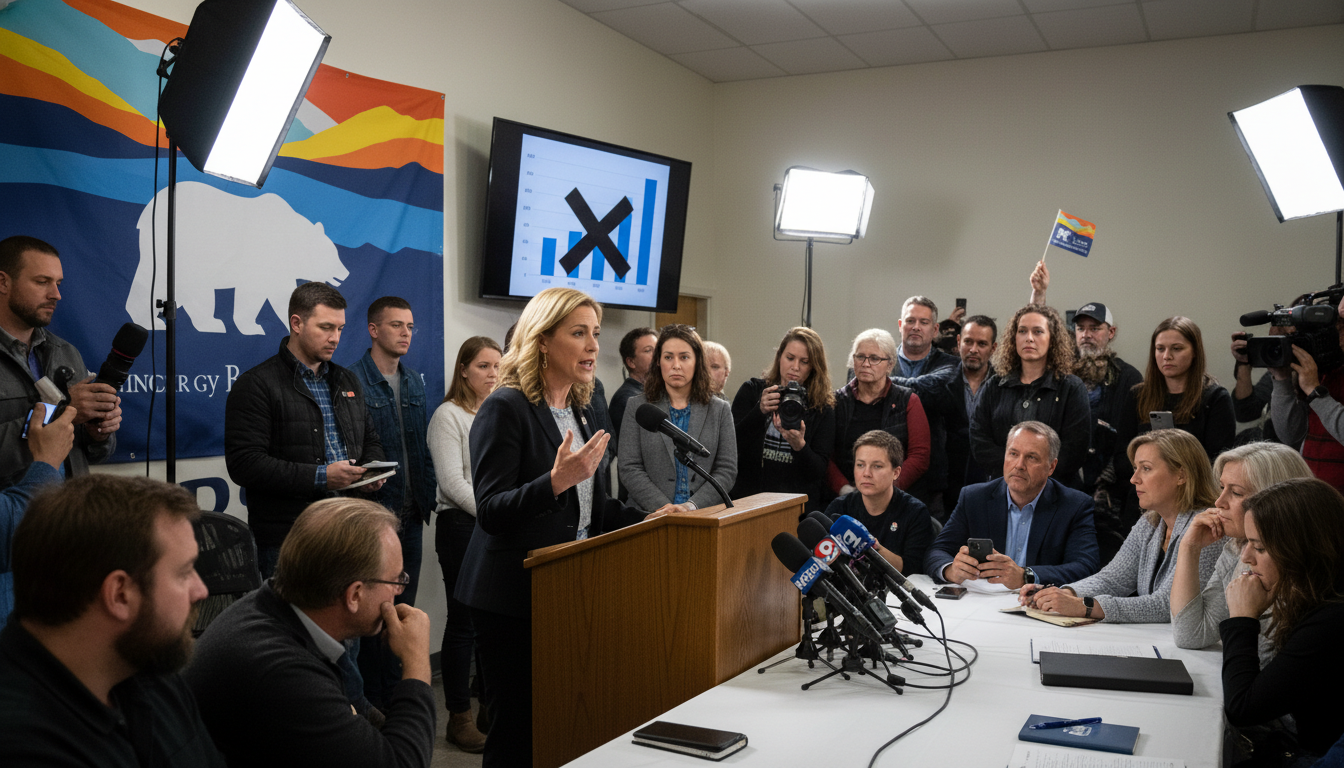
A fresh set of numbers released this week showing increased interest in secession from some voters has prompted immediate pushback from both proponents and opponents of the Alberta independence movement. Supporters hailed the figures as validation of long-simmering discontent, while detractors accused pollsters and media of inflating results. The contested statistics have pushed the issue back into public view and forced politicians in Edmonton and Ottawa to respond.
New poll release rekindles separatism debate
The publication of the figures reignited public discussion about Alberta’s place in Canada and the durability of the Alberta independence movement. Media outlets and social feeds amplified reactions almost instantly, producing a mix of skepticism and celebration across the political spectrum. Observers noted that the conversation has shifted from fringe activism to mainstream political argument in communities across the province.
Political operatives and advocacy groups said they would use the numbers to shape messaging ahead of municipal and provincial contests. Analysts warned that even imperfect data can alter media narratives and voter perceptions, making the accuracy of the figures a matter of immediate consequence for both campaigns and policymakers.
Methodology and margin of error under intense scrutiny
Experts in polling and statistics urged caution, saying the numbers should be evaluated in the context of sample size, question wording and timing. Several statisticians interviewed called for the raw data and weighting formulas to be released so others could replicate and verify the results. Without transparency, they argued, conclusions drawn from the figures risk being misleading.
Critics within and outside Alberta’s independence movement accused opponents of dismissing the results as “invented arithmetic” while some proponents preemptively claimed the figures understated their true support. The tension over methodology reflects a broader mistrust in public opinion measurement that has grown in recent years.
Government officials offer guarded responses
Political leaders in Alberta and Ottawa issued measured statements, with some provincial ministers declining to comment on the exact numbers but acknowledging the underlying frustrations they reflect. Federal officials emphasized the strength of national institutions while promising to monitor the political temperature in the province. Opposition parties seized the moment to press for policy changes aimed at addressing regional grievances.
Municipal leaders said the debate risks distracting from pressing local issues such as health-care capacity, housing and energy transition planning. Several legislators called for a fact-based discussion, urging that any consideration of constitutional change must follow legal processes and clear democratic mandates.
Economic and industry stakeholders warn of uncertainty
Business groups and energy sector representatives cautioned that talk of separation, fueled by headline-grabbing figures, could unsettle investment and labour markets. Officials warned that uncertainty around jurisdictional change—even if unlikely to lead to immediate action—can affect commodity pricing decisions, capital allocation and long-term planning. Financial analysts suggested that perception-driven volatility is as consequential as actual policy shifts.
Major employers in oil, gas and services said they would continue to focus on business fundamentals but reiterated that political stability remains a key factor for future projects. Economic commentators urged careful assessment of how public sentiment reported in polls might translate into electoral outcomes and policy risks.
Grassroots reaction: activists defend figures, opponents decry them
On the ground, activists in the Alberta independence movement expressed optimism, saying the figures demonstrated growing resonance for their platform. Meetings and online forums saw heightened engagement, with organizers planning outreach drives and membership campaigns to capitalize on the attention. Leaders emphasized a desire to translate interest into organized civic action and clearer policy proposals.
Opponents, meanwhile, staged counter-events and social media campaigns aimed at contextualizing the numbers and highlighting the legal and economic hurdles of any attempt to secede. Civic organizations encouraged dialogue focused on pragmatic reforms within federal-provincial frameworks rather than constitutional rupture.
The debate over the figures has also raised questions about media responsibility, with commentators calling for clearer labeling of data sources and more rigorous reporting standards when covering polarizing topics.
Public opinion remains fluid, and analysts said one release is unlikely to settle the question of long-term support for the Alberta independence movement. Polls can reflect short-term reactions to events and framing, they noted, so sustained trends will be more telling.
Looking ahead, political parties, business leaders and civic groups all said they will track subsequent polling and public forums closely. Several organizations signaled plans to request or conduct independent polls and town-hall consultations to better understand voter priorities.
The contentious release has already had political consequences, forcing parties to refine messaging and stakeholders to reassess contingency plans. As the province moves into the next round of political calendars, the durability of the sentiment captured in the recent figures will be a central question for candidates, policymakers and the public alike.
